

2d •
𝐓𝐨𝐫𝐚𝐡 𝐏𝐨𝐫𝐭𝐢𝐨𝐧𝐬 𝐁𝐄𝐇𝐀𝐑-𝐁𝐄𝐂𝐇𝐔𝐊𝐎𝐓𝐀𝐈 On the mountain/In my statutes — בְּהַר־בְּחֻקֹּתַי (Leviticus 25:1-27:34)
🔥 𝐓𝐨𝐫𝐚𝐡 𝐏𝐨𝐫𝐭𝐢𝐨𝐧: 𝐁𝐄𝐇𝐀𝐑-𝐁𝐄𝐂𝐇𝐔𝐊𝐎𝐓𝐀𝐈 🔥 “On the Mountain / In My Statutes” — בְּהַר־בְּחֻקֹּתַי 📖 Leviticus 25:1–27:34 This week’s double portion reminds us that EVERYTHING belongs to YHWH — the land, the harvest, our time, our resources, and even our lives. Behar teaches the power of Sabbath rest, release, redemption, and Jubilee. Bechukotai reveals the blessings of obedience and the consequences of walking outside His ways. God’s desire has always been covenant relationship, not empty religion. ✨ “If you walk in My statutes and keep My commandments…” (Leviticus 26:3) The Torah is not bondage — it is God’s blueprint for life, freedom, justice, restoration, and holiness. Even in correction, His mercy remains. He promises never to abandon His covenant people. This portion challenges us to ask: • Are we trusting God enough to rest? • Are we walking in His instructions? • Are we living set apart from the systems of the world? May we learn to walk faithfully, trust deeply, and live in covenant alignment with the Father. 𝐇𝐚𝐳𝐚𝐤 𝐇𝐚𝐳𝐚𝐤 𝐕’𝐍𝐢𝐭𝐜𝐡𝐚𝐳𝐞𝐤 — “Be strong, be strong, and let us be strengthened.” 💙 𝐓𝐨𝐫𝐚𝐡 𝐏𝐨𝐫𝐭𝐢𝐨𝐧𝐬 𝐁𝐄𝐇𝐀𝐑-𝐁𝐄𝐂𝐇𝐔𝐊𝐎𝐓𝐀𝐈 On the mountain/In my statutes — בְּהַר־בְּחֻקֹּתַי (Leviticus 25:1-27:34) https://behar-bechukotai-torah-portion.manus.space/
0
0

19d •
Acharei Mot: The Power of the Scapegoat & A Call to Holiness
As we dive into this week's Torah portion, Acharei Mot (Leviticus 16–20), there is so much rich imagery and deep meaning to unpack. This portion, meaning "after the death," opens right after the tragic loss of Aaron’s two sons, setting a deeply reverent tone for what follows: the profound rituals of Yom Kippur, the Day of Atonement. One of the most striking visuals in this portion is the ceremony of the two goats. Aaron casts lots—one goat is offered to HaShem, and the other, the "scapegoat," is sent away into the wilderness. Think about the weight of that moment. Aaron lays his hands on the live goat, confessing the sins and transgressions of the entire community, symbolically transferring them onto the animal before it is led away into a remote area (Leviticus 16:21-22). It is a powerful, tangible picture of removal and forgiveness. The sins aren't just covered; they are carried far away, removing the burden from the camp so the people can be clean before the Lord. But Acharei Mot doesn't stop at the Tabernacle rituals. It transitions into a broader, beautiful vision for everyday life. We are given the profound command: "You shall be holy, for I the LORD your God am holy" (Leviticus 19:2). This call to holiness touches every aspect of how we live: •How we treat the poor (leaving the gleanings of our harvest) •How we conduct business (dealing honestly and not stealing) •How we treat our families (revering our parents) •And ultimately, how we treat each other: "You shall love your neighbor as yourself" (Leviticus 19:18). Holiness isn't just about what happens in the sanctuary; it's about how we reflect God's character in our homes, our workplaces, and our communities. It’s an invitation to live distinctly, separated from the practices of the surrounding nations, and wholly devoted to Him.
0
0

22d •
Tazria–Metzora (Leviticus 12–15)
This week’s Torah Portion is Tazria–Metzora (Leviticus 12–15) — a powerful reminder that God cares about every area of our lives: our hearts, our homes, our words, and our walk with Him. These chapters speak about cleansing, healing, restoration, and being made whole again. What may look like ancient laws on the surface actually reveal a timeless truth: God desires purity, healing, and His presence among His people. Sometimes God exposes what is unhealthy—not to shame us, but to restore us. Sometimes He removes what is broken so He can rebuild something holy. Yeshua demonstrated this perfectly when He touched the unclean and made them clean. Where the world brings rejection, Messiah brings restoration. 📖 “Create in me a clean heart, O God, and renew a right spirit within me.” — Psalm 51:10 Take time this week to reflect:• Is there anything in my heart God wants to cleanse?• Are my words bringing life or harm?• Is God restoring something I thought was lost? Dive deeper into this week’s portion here:👉 https://tazria-metzora.manus.space/ #TorahPortion #TazriaMetzora #ShabbatShalom #BibleStudy #Yeshua #Faith #Healing #Restoration #Holiness #WalkWithGod
0
0

Mar 29 •
𝐓𝐨𝐫𝐚𝐡 𝐩𝐨𝐫𝐭𝐢𝐨𝐧 𝐓𝐙𝐀𝐕- Command — צַו (Leviticus 6:1-8:36) Recap
🔥 TZAV — The Power of Obedience & the Fire That Never Goes Out 🔥(Leviticus 6:1–8:36) As we reflect on last week’s Torah portion Tzav (צַו — Command), we’re reminded of something powerful: 👉 God didn’t suggest… He commanded. 👉 And in that command, there was purpose, order, and transformation. One of the most striking instructions: “The fire on the altar must be kept burning; it must not go out.” (Leviticus 6:13) This wasn’t just about sacrifices…This was about consistency, discipline, and presence. 🔥 What does this mean for us today? In business In Leadership In faith. We don’t just start strong…We stay consistent. - The fire = your calling - The altar = your daily life - The sacrifice = your discipline - If the fire goes out… everything else follows. 💡 Leadership Insight God was teaching the priests: Consistency > Occasional intensity Anyone can show up when they feel like it.Leaders show up because they are called to it. 🙏 Personal Reflection Ask yourself: - Where has my fire grown dim? - What habits have I stopped tending? - What has God already commanded me that I’ve delayed? Because obedience isn’t about perfection…It’s about alignment. ⚡ This Week’s Challenge Keep the fire burning. - Show up even when you don’t feel like it - Stay disciplined in your craft - Stay rooted in your faith - Do what God already told you to do Your next level isn’t unlocked by new information…It’s unlocked by obedience to what you already know. If this hit you, drop a 🔥 in the commentsAnd share ONE area where you’re recommitting this week. Let’s build leaders who don’t just start…We finish strong. https://tzav-torah-portions.manus.space/ https://drive.google.com/file/d/1MH0I5r0R-p3ElLDqA4rYwe_B0AdIX76j/view?usp=drivesdk
0
0

Mar 19 •
𝐕𝐀𝐘𝐈𝐊𝐑𝐀 And he called — וַיִּקְרָא (Leviticus 1:1-5:26)
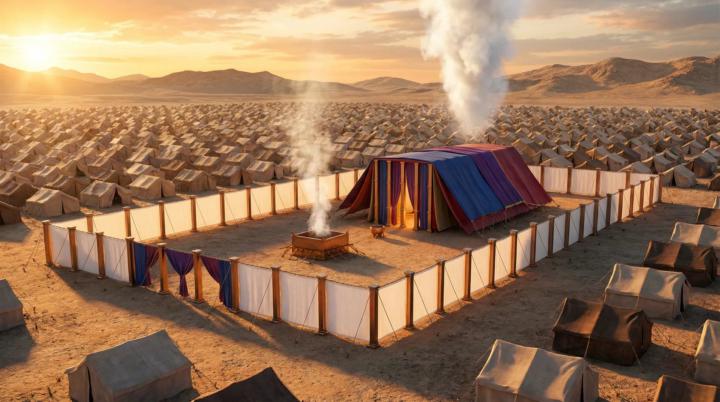
𝐓𝐨𝐫𝐚𝐡 𝐏𝐨𝐫𝐭𝐢𝐨𝐧 𝐕𝐀𝐘𝐈𝐊𝐑𝐀 And he called — וַיִּקְרָא (Leviticus 1:1-5:26) https://vayikra-torah-portion.manus.space/
0
0
1-16 of 16
powered by
skool.com/families-in-torah-4524
🕊️ Deuteronomy 6:6–7 — These words that I command you today shall be on your heart. You shall teach them diligently to your children 🕊️
Suggested communities
Powered by