
Write something

Nov '25 •
My Story, and Why I Care So Much About This Work
I didn’t come to this work because I felt confident about aging.I came to it because somewhere along the way — after years of taking care of everyone else — I stopped recognizing myself. I spent almost 30 years as an RN in the hospital. Three decades of long shifts, adrenaline, grief, pressure, and caring for people during the hardest moments of their lives. I knew how to hold it all together. I knew how to be strong. But eventually, my own body whispered what I had ignored: “I’m burnt out.” During that season, I found EFT. Not because I was looking for a new tool, but because I needed something — anything — to help me feel human again. And tapping was the first thing that made my nervous system finally exhale. It helped me heal in ways traditional self-care never touched. Years later, at 50, I opened Willow Organic Spa — something I’m deeply proud of . But entering the beauty world in midlife brought up emotions I was not prepared for. After years of being behind a mask during the pandemic, I hadn’t truly seen my face in so long. And on the opening day of the spa, someone took a photo of me. I looked at it and felt this unexpected, honest thought: “When did I get so old?” Not in a self-hating way, more in a tender, surprised, caught-off-guard way. And then came the guilt —because my mom died at 42. And here I was, 50, getting the years she didn’t… and still struggling with how I felt about my reflection. It wasn’t vanit, it was vulnerability. A moment of realizing that aging doesn’t just happen on the outside —it happens emotionally, in our nervous system, in all the quiet places nobody sees. So I came back to EFT. Not as a burnout tool this time, but as a way to soften beauty pressure, comparison, and the complicated feelings of being a midlife woman in the beauty industry. And as I worked with clients in my spa, I started to see the same emotional patterns in them: the comparison, the pressure, the “I should be okay with this,” the guilt for feeling anything at all.
0
0
1-1 of 1
powered by
skool.com/era-of-embodied-beauty-8640
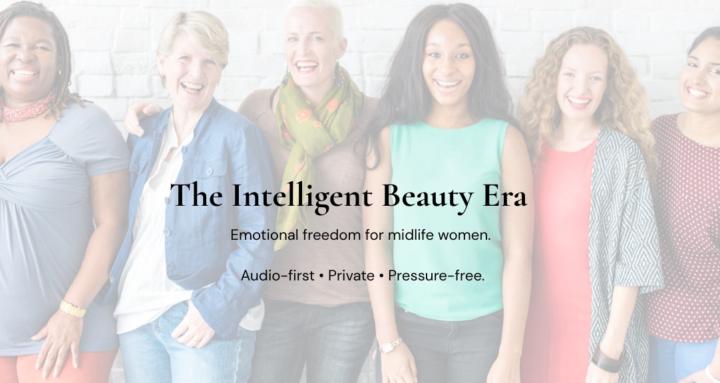
🎧 Private, audio-based emotional freedom for midlife women. Release beauty pressure, comparison, and aging anxiety.
Suggested communities
Powered by