
Pinned
🔥
1d •
Workshop Planning!
'Tis time to start planning our next live workshop! What topic(s) would you be most excited to learn about right now?? We could tackle something seasonal, like preparing your garden for winter, or we could dive into a specific topic or crop and walk through everything you need to know from start to finish! I've put some ideas below, but if you're in between a few or there's something else you've been wanting to learn, 𝗱𝗿𝗼𝗽 𝘆𝗼𝘂𝗿 𝗶𝗱𝗲𝗮(𝘀) 𝗶𝗻 𝘁𝗵𝗲 𝗰𝗼𝗺𝗺𝗲𝗻𝘁𝘀!
Poll
8 members have voted
Pinned

3d •
Squash harvest
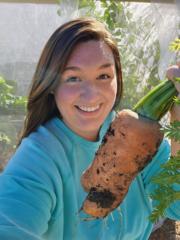
Almost done processing everything from the garden. Just finished sanitizing all this squash -- over 50 pounds -- and now I have to figure out where to put it in my very small house. LOL. First time growing tromboncino squash. They are crazy productive!! Definitely recommended if you have space.

Pinned
🔥
Jan 1 •
🌱 START HERE: Welcome to DIY Gardening!
Get ready to have some fun, learn a lot, and meet other amazing people on the same journey as you! To help you get the absolute most out of this community without feeling overwhelmed, 𝘁𝗮𝗸𝗲 𝟱 𝗺𝗶𝗻𝘂𝘁𝗲𝘀 𝗿𝗶𝗴𝗵𝘁 𝗻𝗼𝘄 to complete your quick onboarding: 🗺️ 𝗦𝗧𝗘𝗣 𝟭: 𝗛𝗲𝗮𝗱 𝘁𝗼 𝘁𝗵𝗲 "𝗦𝘁𝗮𝗿𝘁 𝗛𝗲𝗿𝗲" 𝗠𝗼𝗱𝘂𝗹𝗲 Click on the 𝗖𝗹𝗮𝘀𝘀𝗿𝗼𝗼𝗺 tab at the top of your screen and open the 𝗦𝘁𝗮𝗿𝘁 𝗛𝗲𝗿𝗲 course, or simply CLICK HERE. 💬 𝗦𝗧𝗘𝗣 𝟮: 𝗜𝗻𝘁𝗿𝗼𝗱𝘂𝗰𝗲 𝗬𝗼𝘂𝗿𝘀𝗲𝗹𝗳! On the Community tab, create a quick post, and tell us: - Where are you growing from? - What got you into gardening? - What's your #1 biggest garden challenge right now? 📖 𝗦𝗧𝗘𝗣 𝟯: 𝗚𝗿𝗮𝗯 𝗧𝗵𝗲𝘀𝗲 𝗤𝘂𝗶𝗰𝗸 𝗥𝗲𝘀𝗼𝘂𝗿𝗰𝗲𝘀 (𝗜𝗻𝘀𝘁𝗮𝗻𝘁 𝗪𝗶𝗻𝘀!) - 💧 Watering 101: How to know if it's too much, too little, or juuust right - ☀️ Evaluating Your Space: Do you have enough sun? - 🌱 How to Find Good Quality Soil 🎓 𝗦𝗧𝗘𝗣 𝟰: 𝗥𝗲𝗮𝗱𝘆 𝗳𝗼𝗿 𝘁𝗵𝗲 𝗦𝘁𝗲𝗽-𝗯𝘆-𝗦𝘁𝗲𝗽 𝗦𝘆𝘀𝘁𝗲𝗺? - Everything I teach in this community is built around my signature 𝟰-𝗣𝗵𝗮𝘀𝗲 𝗥𝗼𝗮𝗱𝗺𝗮𝗽 - 🗓️ PREPARE ➔ 🌱 PLANT ➔ 🐛 PROTECT ➔ 🫙 PRESERVE - If you’re serious about building a high-yielding, organic garden and want the complete resource vault, live monthly coaching/Q&As with Megan (that's me! 👋), and step-by-step support... 👉 Check out the DIY Gardening Academy HERE Let’s GROOOWWWW 💪🌱 — Megan



🔥
5d •
Chicken Noodle Soup Mix in a jar
I have not yet tried this but I’m seriously going to consider it as I already have most of the items dehydrated and easily available for making. Would be perfect for my lunches during the week when I’m off work and hubby is working. Recipe from FB group Meals in Jars & Freezer Friendly Meals Dry Chicken Noodle Soup Mix in a Jar This classic Dry Chicken Noodle Soup Mix in a Jar recipe relies entirely on shelf-stable, dry ingredients, making it an excellent option for long-term pantry storage or single-serving convenience. 🌟 Yield: 1 Pint Jar (Makes 1 large single-serving bowl of soup, approximately 2 cups cooked) 🌟 Storage Shelf Life: Up to 5 to 10 years if packed with an oxygen absorber and vacuum-sealed in a cool, dark, dry place. If stored normally with a tight lid, it will last 6 to 12 months in the pantry. Jar Ingredients: • 2 tsp Chicken bouillon powder • 1 tsp Dried minced onion • ½ tsp Dried parsley flakes • ¼ tsp Garlic powder • ⅛ tsp Black pepper • Pinch Dried thyme • 2 Tbsp Dehydrated or freeze-dried celery • 2 Tbsp Dehydrated or freeze-dried carrots • ½ cup Dry egg noodles (or small soup pasta) Note: For a fully complete meal-in-a-jar, you can tightly pack ¼ cup of freeze-dried diced chicken directly into the jar right above the vegetables. Assembly Instructions: 1. Layer the Seasonings: Pour the chicken bouillon, dried onion, garlic powder, black pepper, parsley, and thyme into the bottom of a clean, completely dry pint-sized mason jar. 2. Add the Vegetables: Layer the dehydrated celery and carrots directly over the seasoning base. 3. Pack the Pasta: Fill the remaining space tightly with the dry egg noodles. 4. Seal for Storage: If storing long-term, place a 100cc oxygen absorber on top or vacuum-seal the jar with a jar attachment. Secure the lid and ring firmly. Cooking Directions: 1. Empty the entire contents of the pint jar into a small saucepan. 2. Add 2 cups of water and bring the mixture to a rolling boil over medium-high heat.

1-30 of 617

skool.com/diygardening
No green thumb? No problem. This is organic backyard gardening, made simple. (And fun 😉).
Leaderboard (30-day)
1

+34
2
🔥
+29
3

+22
4

+19
5
🔥
+16
Powered by