
Write something

Mar 27 •
WHAT RUNNING A HOME CARE SERVICE ACTUALLY INVOLVES
Most people think running a home care service is about caring for seniors. It’s not. That’s only one part of it. What you’re really managing is a moving system made up of people, schedules, risks, emotions, and expectations, all inside someone else’s home where you have limited control. Here’s what that actually looks like on the ground: • Staffing never “settles.” Someone calls in sick, a client’s needs change, or a personality mismatch shows up. You are constantly adjusting while trying to keep care consistent. • Families need as much management as clients. Clear communication, expectation setting, and sometimes difficult conversations are part of daily operations. • Care plans are living documents. What worked last month may not work today, especially with dementia or declining health. • Small details carry real risk. Missed medications, late arrivals, or poor documentation are not minor issues. They compound quickly. • Your caregivers set the ceiling. Their training, judgment, and emotional stability directly shape the quality of care more than any system you build. A common mistake is thinking good intentions are enough. They’re not. Without structure, accountability, and strong leadership, even caring teams struggle. Running home care is less about being kind, and more about being consistent, clear, and prepared for things to go wrong. What part of home care operations do you think people underestimate the most until they’re inside it? Have a question or inquiry? Reach out at [email protected]. Dr. Chidi Nwachukwu
2
0

Mar 25 •
WHAT MOST FAMILIES MISUNDERSTAND ABOUT HOME CARE
Most families think home care is just “help around the house.” That misunderstanding causes more stress than the care itself. I see it often, families wait until things are already breaking down before they bring in support. By then, expectations are high, time is tight, and emotions are running even higher. Here’s what many people get wrong: ● Home care is not a quick fix, it’s a process. Trust, routines, and consistency take time to build for both the client and the caregiver. ● Independence doesn’t mean doing everything alone, good care supports independence. It doesn’t replace it. The right caregiver knows when to step in and when to step back. ● Not all care is visible. Some of the most important work is emotional in reducing anxiety, maintaining dignity, and keeping someone engaged. You won’t always “see” it, but you’ll feel the difference. ● Family involvement still matters. Caregivers don’t replace family, they support them. The best outcomes happen when communication stays open and expectations are realistic. ● More hours doesn’t always mean better care, what matters is the right plan, the right fit, and consistency. Overloading care can sometimes create dependency instead of support. The reality is, home care works best when it’s introduced early, not when things are already in crisis. If there’s one thing to take away: home care is a partnership, not a service you switch on and off. At what point do you think families should start considering home care, and what usually holds them back? Have a question or inquiry? Reach out at [email protected]. Dr. Chidi Nwachukwu
2
0
Mar 22 •
🚨 Big Update: Welcome to Caregivers Corner!
🚨 Big Update: Welcome to Caregivers Corner! We’ve made an important change to better serve you. Our community is no longer focused on dementia care alone, we’ve expanded to support ALL caregivers. Introducing your new home: Caregivers Corner This change reflects our bigger mission: to create a space where every caregiver, whether you care for a parent, child, spouse, or client, can find support, learn practical skills, and connect with others who truly understand the journey. What stays the same: ✅ A safe, supportive environment ✅ Practical caregiving tips and training ✅ Opportunities for growth and learning What’s new: 1. Broader caregiving support (not just dementia) 2. More diverse topics and resources 1. Greater opportunities for connection and growth If you’ve been here from the beginning—thank you for growing with us. If you’re new—welcome, you’re in the right place. Because no caregiver should have to do this alone. Let’s continue to learn, share, and support one another right here in Caregivers Corner. Drop a comment and introduce yourself—and what attracted you to the community. Dr. Chidi.
Mar 14 •
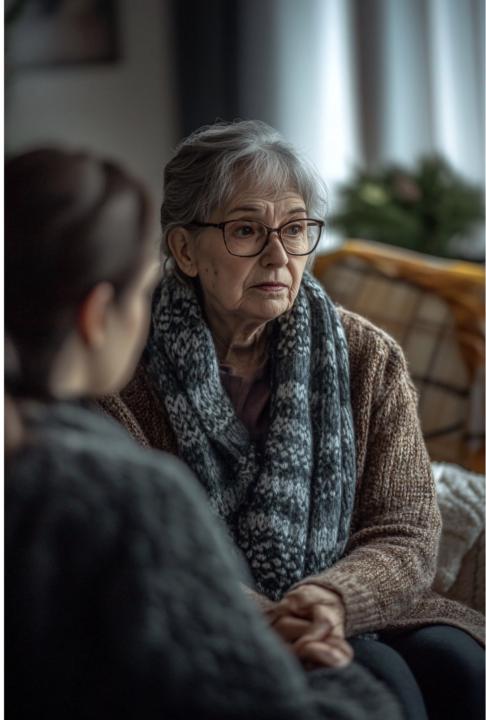
USEFUL VERBAL COMMUNICATION TECHNIQUES IN DEMENTIA
USEFUL VERBAL COMMUNICATION TECHNIQUES IN DEMENTIA. Clear communication can make the difference between calm and confusion when caring for someone living with dementia. As cognitive decline progresses, the brain processes information more slowly and less efficiently. What seems like a simple conversation to us can feel overwhelming to them. Here are three powerful verbal communication techniques every caregiver should know: 1. Use Short, Simple Sentences Keep it to one idea at a time. Use clear, concrete words and avoid complex explanations. Don’t say: “After breakfast we’ll get ready so we can go out before lunch.” Rather Say: “Let’s eat first.” (pause) “Then we’ll get dressed.” Breaking information into smaller steps helps the brain process it. 2. Speak Calmly and Slowly Tone matters as much as words. • Lower your voice • Match the person’s pace • Pause to allow processing time Nite that Delayed responses are usually neurological, not intentional. 3. Ask Closed or Either-Or Questions Open-ended questions can overwhelm someone with dementia. Don’t ask: “What do you want to wear today?” Ask: “Would you like the blue shirt or the green one?” Simple choices reduce anxiety and make decision-making easier. When caregivers adapt how they communicate, interactions become calmer, safer, and more respectful. Sometimes, the smallest changes in communication create the biggest improvements in care. If you’re in Calgary and have an older loved one experiencing memory loss, cognitive decline, or living with dementia, you don’t have to navigate it alone. VIMSA Home Care Services provides trained, compassionate caregivers offering in-home care and supplemental support in retirement homes and long-term care facilities. Let us help your loved one live safely, comfortably, and age with dignity—while giving your family peace of mind. 📞 Call or text us today: +1 (368) 863-4444. vimsacare.com [email protected]

Mar 14 •
“I love my parent… but some days I’m completely exhausted.”
This is one of the most honest and most common things dementia caregivers say. Caring for someone living with dementia is an act of deep love. But it is also physically, emotionally, and mentally demanding. Many caregivers are: • Managing medications • Handling repeated questions • Coping with sleep disruptions • Responding to mood changes • Providing constant supervision And often… doing it alone. Over time, this can lead to caregiver burnout, stress, and even declining health. This is where Respite Care becomes essential. Respite care simply means temporary support that allows caregivers to rest, recharge, and attend to their own needs while their loved one continues to receive safe, compassionate care. Respite can look like: • A few hours of in-home support • Help with outings and appointments • Supervision while caregivers rest or run errands • Short-term relief during particularly stressful periods Taking a break does not mean you care less. In fact, the opposite is true. Caregivers who take time to recharge are often able to: 1. Be more patient 2. Stay emotionally present 3. Provide better long-term care Because dementia care is a marathon, not a sprint. And no one should have to run it alone. If you know someone caring for a loved one with dementia, remind them of this: It’s okay to ask for help. Sometimes the most loving thing a caregiver can do… is take a break. 💙 +(368)873-4444 vimsacare.com [email protected] #HomeCareServices #HomeCareSupport #HomeCareAgency #SeniorCare #ElderCare #SeniorSupport #CareAtHome #AgingAtHome #AgingInPlace #QualityHomeCare #DementiaCare #AlzheimersCare #MemoryCare #DementiaSupport #CareForSeniors #CompassionateCare #CaregiverSupport #FamilyCaregivers #DementiaAwareness #SpecializedCare #Caregiving #CaregiverLife #ProfessionalCaregivers #CaregiverSupport #SupportForFamilies #HelpingSeniors #CompassionInCare #SeniorWellbeing #HealthyAging #DignifiedAging #CalgaryHomeCare #CalgarySeniors #CalgaryCaregivers #CalgarySeniorCare #YYCSeniors #YYCHealth #AlbertaSeniors #AlbertaHomeCare #CanadaSeniorCare #SupportLocalCare #VIMSAHomeCare #VIMSAHomeCareServices #VIMSACare #TrustedHomeCare #ReliableHomeCare #PersonalizedCare #SeniorCareExperts #HomeCareProfessionals #SeniorCareSolutions #CareWithDignity
4
0

1-21 of 21
powered by

skool.com/dementia-caregiver-academy-4034
A supportive community for caregivers of all kinds. Learn practical care techniques, upgrade your knowledge, reduce burnout, and connect with others.
Suggested communities
Powered by