
Write something

Apr 3 •
EARLY SIGNS OF DEMENTIA FAMILIES MISS.
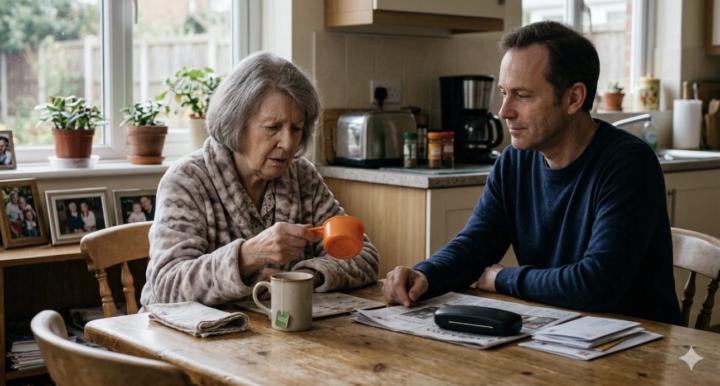
She stood in her kitchen, holding a spoon, staring at the drawer she had opened. Not confused enough to ask for help. Not aware enough to notice something was off. Just paused. Moments like this are easy to brush aside. People call it aging, stress, or distraction. But sometimes, it is the mind struggling quietly to keep up with what used to feel automatic. Early dementia does not always look like memory loss. It often shows up as small breaks in routine, hesitation in familiar tasks, or subtle changes in mood and confidence. What helps in these moments: • Slow things down. Rushing or correcting too quickly can increase anxiety. Give space for the person to find their way. • Keep instructions simple. One step at a time is often easier to follow than a full explanation. • Pay attention to patterns. One off moments happen. Repeated changes in behavior are what matter. • Stay calm in your response. The tone you bring often shapes how safe or stressed the person feels. A common mistake is dismissing these signs because they seem minor. By the time they become obvious, the person has often been struggling alone for longer than anyone realized. Early awareness is not about labeling someone. It is about understanding them sooner, and adjusting care with patience and respect. At what point did you first notice something was changing, and looking back, what did you miss at the beginning? Join Calgary Seniors & Caregivers Support Hub - https://lnkd.in/dPktGCcv Dr. Chidi Nwachukwu
2
0
Mar 30 •
WHAT HAS YOUR EXPERIENCE BEEN LIKE?
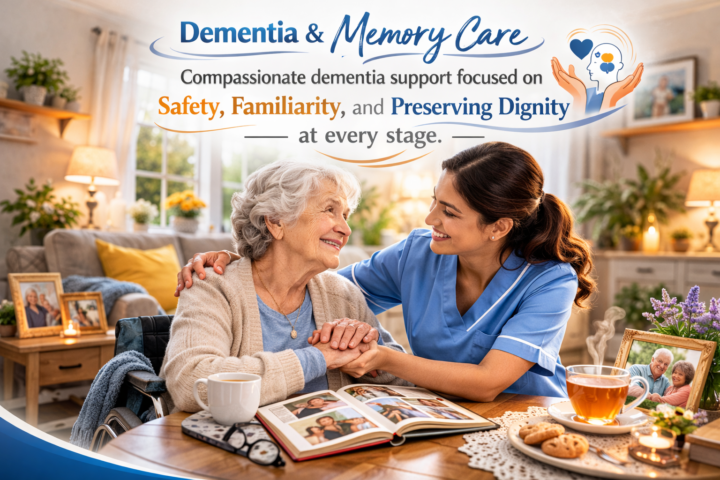
It’s 10:42 p.m. and your phone lights up. You weren’t expecting a call this late—but something told you to check. It’s your mom. Her voice sounds… different. Slightly confused. She pauses mid-sentence, searching for words she used to find easily. She laughs it off. “Just one of those days,” she says. But after you hang up, you sit there longer than usual. Because deep down, you know—this isn’t just one of those days. At first, it’s subtle. A forgotten appointment. A misplaced item. Repeating the same story twice in one conversation. You tell yourself it’s normal. Age-related. Nothing to worry about. But then it becomes harder to ignore. You start noticing patterns. The missed medications. The unopened mail. The hesitation when they try to follow a simple routine they’ve done for years. And then come the questions. Is it time to step in? Am I doing enough? What happens if something goes wrong when no one is there? You try to be present. You rearrange your schedule. You check in more often. You do what you can. But you’re also managing your own life—your work, your family, your responsibilities. And somewhere in between, the weight begins to build. Not just physically, but emotionally. Because you’re no longer just a daughter, or a son. You’ve become a caregiver. For many families, there comes a moment when things shift from concern to certainty. It might be a fall. A confused walk outside that turns into getting lost. A call from a neighbour. Or a hospital visit that forces difficult conversations. It’s the moment when you realize that love and good intentions are no longer enough to keep someone safe. Not because you’ve failed—but because dementia and Alzheimer’s change the rules. And that realization is not easy. Accepting help can feel like giving something up. But in reality, it’s the opposite. It’s choosing stability over uncertainty. Safety over constant worry. Support over silent exhaustion. It’s choosing to care for your loved one in a way that is sustainable—for them, and for you.
2
0
Mar 16 •
WELCOME MESSAGE
Hello everyone, Welcome to our Dementia Caregiver Community. I’m truly glad to have you here. This group was created as a safe and supportive space for all of us to learn, share experiences, and grow together in our understanding of dementia and caregiving. While I will continue to share insights, resources, and practical guidance, this community is not meant to be a one-directional platform. Your voice matters here. I strongly encourage each of you to be active, share your opinions, ask questions, and contribute your knowledge or experiences related to dementia care. Many of you have valuable perspectives as caregivers, professionals, or family members supporting loved ones with dementia. When we share these experiences, we help each other learn better ways to support those in our care. My hope is that this becomes a collaborative learning community where we exchange ideas, support one another, and grow together. I look forward to hearing from you and learning from your contributions. Warm regards, Dr. Chidi
1-3 of 3
powered by
skool.com/dementia-caregiver-academy-4034
A supportive community for caregivers of all kinds. Learn practical care techniques, upgrade your knowledge, reduce burnout, and connect with others.
Suggested communities
Powered by