
Write something

🔥
Jun 9 •
Brother in Jesus Christ
I thank God with all my heart for giving me the opportunity to join this group.* I am overjoyed to share that *many people have come to believe in Christ and have accepted Jesus Christ as their Savior*. God is doing a mighty work among them. As I shared with you before, *these new believers long for the Holy Bible*. Their hearts hunger for God’s Word, but they do not have a Bible to read and grow in faith. *Please help me so that I can reach these believers with the Holy Bible.* _“Man shall not live on bread alone, but on every word that comes from the mouth of God.”_ — *Matthew 4:4* _“How beautiful are the feet of those who bring good news!”_ — *Romans 10:15* May God bless you for being a part of this work. May He use you to place His precious Word into the hands of His people. Amen. 🌿
0
0

🔥
Jun 1 •
I thank you for reading the message carefully.
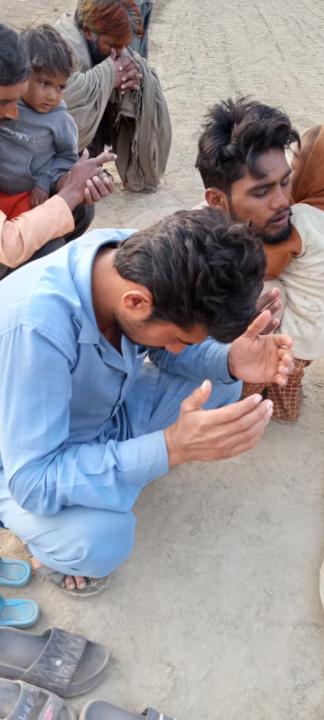
*My dear brothers and sisters in Christ,* Today I went to a tribe to serve God and share His Word. By His amazing grace, every heart was open — all the people believed and accepted Jesus Christ as their Savior. Glory to God for what He is doing! Have a great day today, filled with His presence. May you find deep joy in His love, unshakable peace in His presence, and fresh strength in His Word. May you grow in God — rooted like a tree by living water, and may your faith shine brighter each day, like a lamp that cannot be hidden. I thank God from the bottom of my heart that I am part of this community — a family that truly knows the love of God and walks in the identity He has given us as His children. *Psalm 92:12-13* — _“The righteous flourish like the palm tree and grow like a cedar in Lebanon. They are planted in the house of the Lord; they flourish in the courts of our God.”_ *Ephesians 3:17-18* — _“Being rooted and grounded in love, you may have strength to comprehend with all the saints what is the breadth and length and height and depth.”_ May God’s favor rest on you today, may His joy be your strength, and may His Word guide every step you take. With love in Jesus Christ,
0
0
🔥
May 31 •
I'm thankful to God
My name is Pastor Gulraiz Christain from Pakistan I am a Bron again *CHRISTIAN* Thank God that I have been baptized with water and God has given me the baptism of the Spirit God use me for his serving in Pakistan I'm doing God serving in Pakistan last 8 year here thanks God . Our vision :- God is love and spreading the love of God and gospel of Jesus Christ to every single soul And baptize him in the name of Jesus Christ ( Matthew 28 : 19-20 ) Your brother & friend Pastor Gulraiz Christain from Pakistan
0
0

Apr 27 •
What is Faith in God's Word?
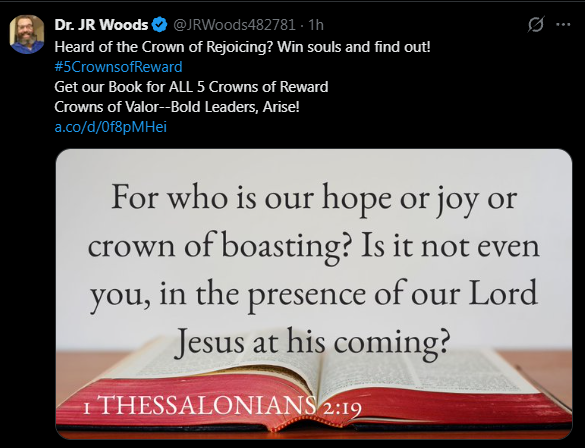
The Crown of Rejoicing is about winning souls, but how do we do that? Jesus Christ plainly referred to the Word of God as the "seed" which is planted in people (Luke 8:11): "The seed is the word of God." He used this metaphor to point out the relationship between humanity's reception in time and God's Word from eternity. While Jesus talked about 4 different types of reaction in the parable of the sower, the entire parable was used to inspire one common reaction that believers ought to take toward sowing the word in others: absolute, unwavering faith that after you sow the seed of God's Word in anyone, it will produce a reaction from them by the power of God's Holy Spirit. That is the topic of this article: placing our faith in God's Word to produce in others. Firstly, many places in Scripture reveal the same category of power from God's Word. Of that, we may place our faith. And when we do, that faith will invigorate our efforts to sow in every person. Let's look at a few examples. One of the most prominent examples, as well as the most elaborate, comes out of the Book of Hebrews (4:12-13). For the word of God is living and active, sharper than any two-edged sword, piercing to the division of soul and of spirit, of joints and of marrow, and discerning the thoughts and intentions of the heart. And no creature is hidden from his sight, but all are naked and exposed to the eyes of him to whom we must give account. The Holy Spirit has communicated several critical ideas that inform our faith in the work of God's Word, the power of God to which people are exposed: 1. God's Word holds humanity accountable, 2. God's Word discerns the thoughts and intents of the heart, and 3. God's Word is a living, active force that humanity cannot avoid, thwart, or hide from. Firstly, it is by the Word of God that people know they will give an account of themselves. This is not just speaking of the Scriptures that overtly communicate about judgment day, either. This aspect speaks of any part of the Word of God shared by a believer, because regardless of which truth you share, the unbeliever must hold in their conscience whether they accept or reject it. They decide whether they will retain it in their knowledge of God or turn to other sources. Paul's letter to the Romans, chapter 1, covers this concept well. For believers, the Word of God begins the sanctifying work of the Spirit in their lives (1 Thess 2:13). But unbelievers rejecting the Word of God only go from bad to worse (2 Tim 3:13). Even believers are not immune from deception's crafty schemes, which can lead them in a downward spiral, finally becoming enemies of the cross (Phil 3:18-19).
0
0

1-18 of 18
powered by

skool.com/crownforge-christian-academy-1831
Dr. Justin R. Woods has recognized the need for new Christian leadership in America and has answered the call to reforge Christian leadership.
Suggested communities
Powered by