
Write something

27d •
🧩 MINI LESSON 9 — Linking Words: Why English Flows
And how to make yours sound the same. This is called linking. And it is one of the biggest differences between sounding correct and sounding natural. When a word ends in a consonant and the next word starts with a vowel — in natural English, they link together. 📌 Examples: → "Turn it off" → sounds like "tur-ni-toff" → "Pick it up" → sounds like "pi-ki-tup" → "We need an answer" → sounds like "we-nee-dan-answer" → "I'll ask her about it" → sounds like "I'll-as-ke-ra-bou-tit" This is not sloppy English. This IS English. When you say every word separately — "turn. it. off." — you sound robotic. And robotic sounds less fluent, even when every word is technically correct. ✅ Your drill: Say each of these phrases 5 times, linking the words together: "Pick it up" / "Check it out" / "Turn it on" / "We need an answer" Start slow. Speed comes after the linking feels natural. 💬 Which phrase felt most natural — and which was strangest to say linked? Post your reaction below.
0
0

Apr 15 •
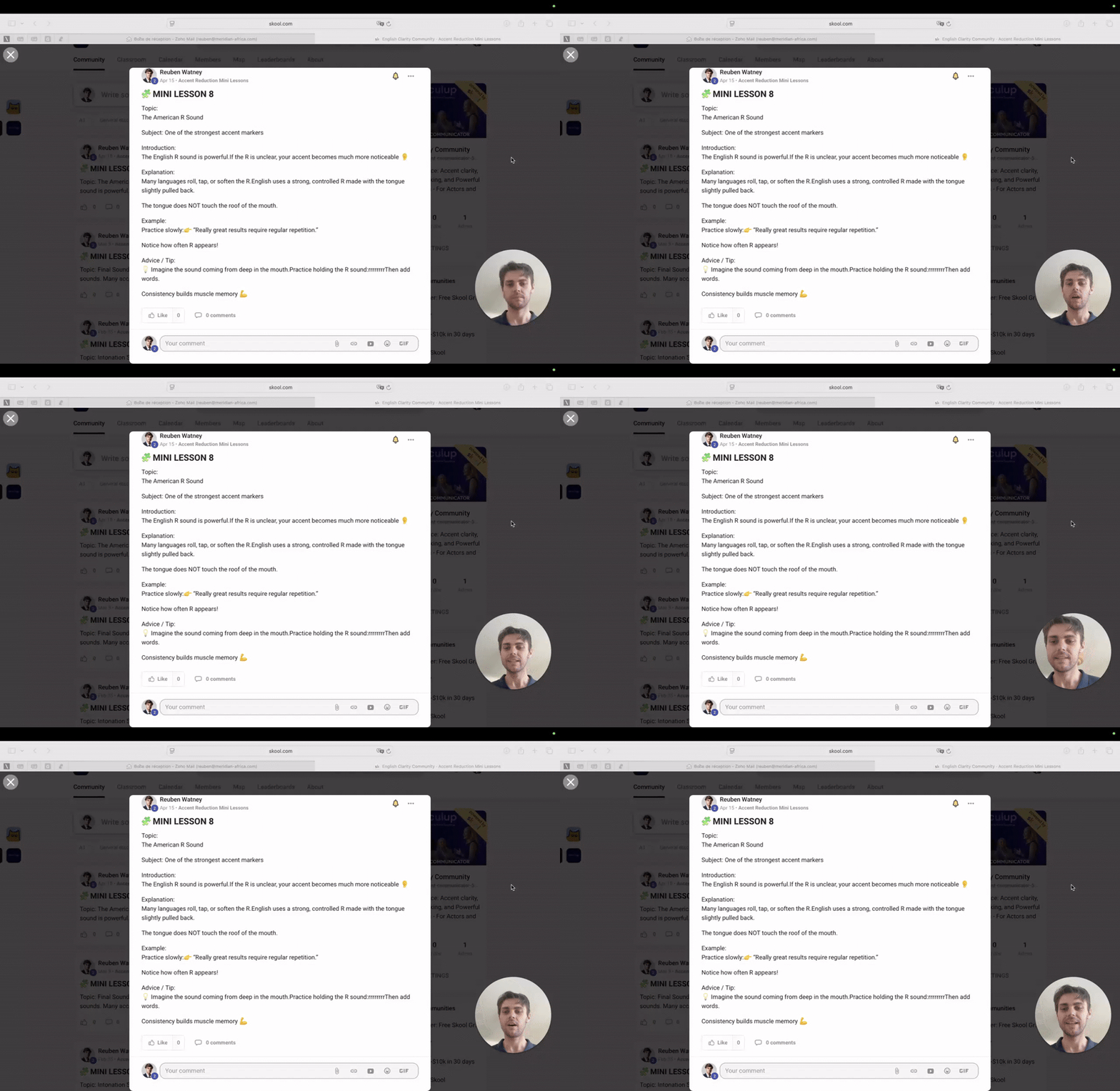
🧩 MINI LESSON 8
Topic: The American R Sound Subject: One of the strongest accent markers Introduction: The English R sound is powerful.If the R is unclear, your accent becomes much more noticeable 👂 Explanation: Many languages roll, tap, or soften the R.English uses a strong, controlled R made with the tongue slightly pulled back. The tongue does NOT touch the roof of the mouth. Example: Practice slowly:👉 “Really great results require regular repetition.” Notice how often R appears! Advice / Tip: 💡 Imagine the sound coming from deep in the mouth.Practice holding the R sound:rrrrrrrrThen add words. Consistency builds muscle memory 💪
0
0
Mar 5 •
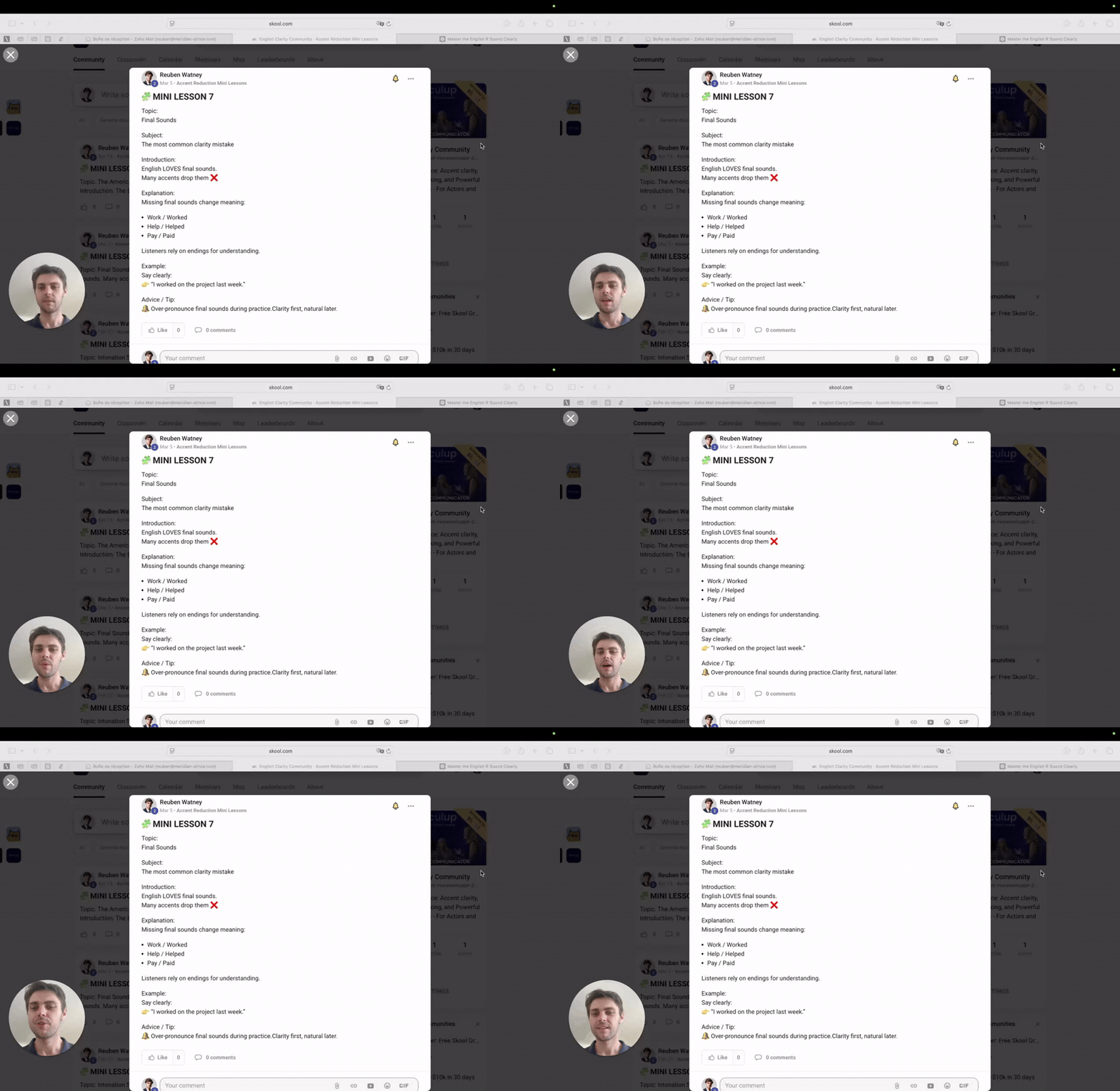
🧩 MINI LESSON 7
Topic: Final Sounds Subject: The most common clarity mistake Introduction: English LOVES final sounds. Many accents drop them ❌ Explanation: Missing final sounds change meaning: - Work / Worked - Help / Helped - Pay / Paid Listeners rely on endings for understanding. Example: Say clearly: 👉 “I worked on the project last week.” Advice / Tip: 🔔 Over-pronounce final sounds during practice.Clarity first, natural later.
0
0
Feb 25 •
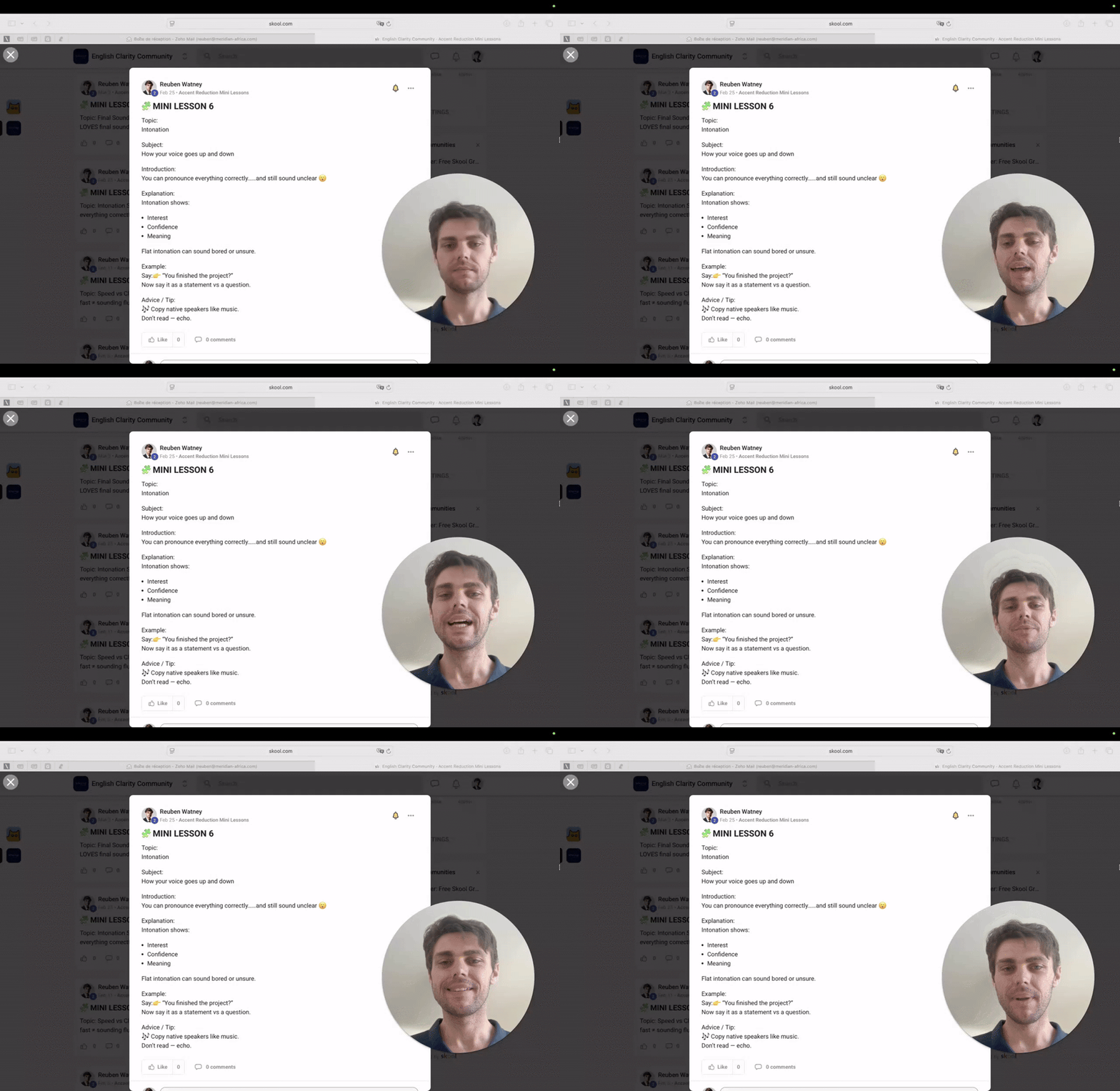
🧩 MINI LESSON 6
Topic: Intonation Subject: How your voice goes up and down Introduction: You can pronounce everything correctly……and still sound unclear 😮 Explanation: Intonation shows: - Interest - Confidence - Meaning Flat intonation can sound bored or unsure. Example: Say:👉 “You finished the project?” Now say it as a statement vs a question. Advice / Tip: 🎶 Copy native speakers like music. Don’t read — echo.
0
0
Feb 11 •
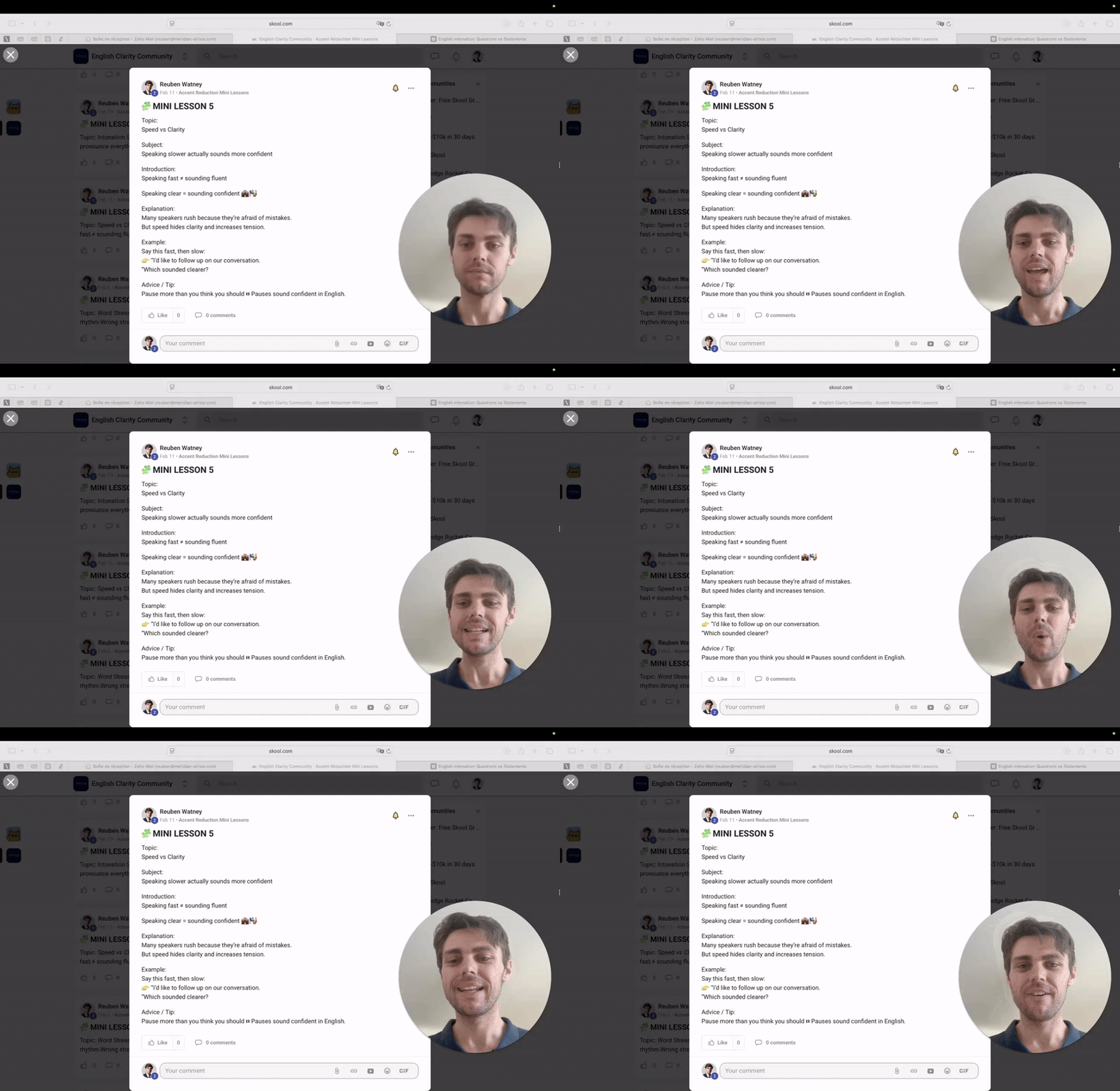
🧩 MINI LESSON 5
Topic: Speed vs Clarity Subject: Speaking slower actually sounds more confident Introduction: Speaking fast ≠ sounding fluent Speaking clear = sounding confident 💼🎭 Explanation: Many speakers rush because they’re afraid of mistakes. But speed hides clarity and increases tension. Example: Say this fast, then slow: 👉 “I’d like to follow up on our conversation. ”Which sounded clearer? Advice / Tip: Pause more than you think you should ⏸ Pauses sound confident in English.
0
0
1-9 of 9
powered by
skool.com/confident-communicator-5371
"The English clarity community for non-native speakers who are done being underestimated. Free course inside."
Suggested communities
Powered by