
Write something
May 26 •
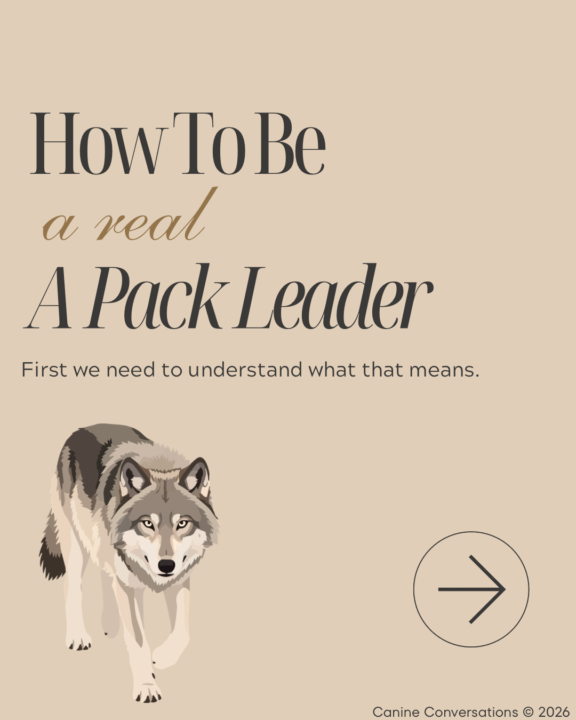
The Pack Leader
Dominance is one of the most misunderstood words in dog behaviour. Not because social influence does not exist. But because the term is often used to explain every difficult behaviour. Dominance is not fear. It is not anxiety. It is not aggression. Aggression is aggression. Dominance, through an applied ethology lens, is better understood as influence over access to resources. And importantly: that influence is fluid. One dog may move another away from the couch because they are resting. Later, the other dog may control access to dropped food. Another may defer entirely in different contexts. That is social negotiation. Not “trying to take over the household.” Dogs are also captive domesticated animals. Humans control almost all major resources: • Food • Space • Movement • Access • Resting areas • Social opportunities Which means relationships and resource access are constantly shifting depending on: • Context • Value • Emotional state • Reinforcement history • Environment Fluid social influence reduces conflict. Oversimplifying behaviour into: “the dog is dominant” often stops people from looking at what is actually happening in front of them. Good behaviour work asks: “What is influencing this behaviour right now?” Not: “How do I overpower the dog?”
1
0
May 18 •
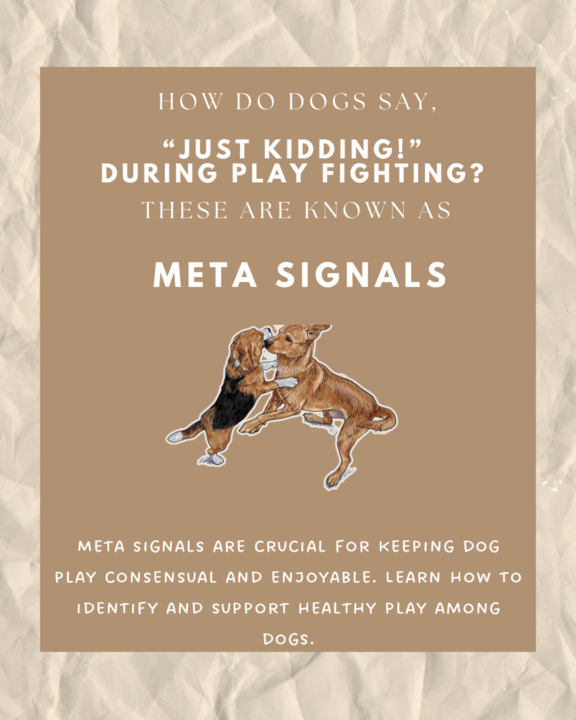
Dog Play - What are Meta Signals ?
Dog play can look alarming if you do not know what you are looking for. The biting. The chasing. The wrestling. The noise. From the outside, it can be genuinely hard to tell what is happening and whether you should step in. But dogs have a sophisticated communication system for exactly this. They use what are known as meta signals. Body language cues that help communicate intent during play. Signals that say, clearly: “This is still play.” A play bow before a chase. A gentle paw placed on another dog. Exaggerated, bouncy movement that looks very different from how a dog moves when they feel genuinely threatened. These signals help keep play safe, readable, and mutually enjoyable. When those signals break down, are ignored, or are not understood, play can begin to shift into something more overwhelming. Swipe through to better understand what your dog may be communicating, what to watch for when interactions change, and why “letting them work it out” is never the answer. Save this one. It is the kind of information worth coming back to.
Aug '25 •
How can I help my dog become less reactive ?
Teach them how to regulate and help themselves by observing. Find quiet places to relax, and focus on addressing triggers with just a few short sessions each week. Trust me, less is more.
0
0
1-3 of 3
powered by
skool.com/canine-conversations-5016
A learning hub for guardians and trainers exploring canine aggression and complex behaviour through ethical, science-based discussion and education.
Suggested communities
Powered by