
Write something
May 21 •
Should we distract our dogs?
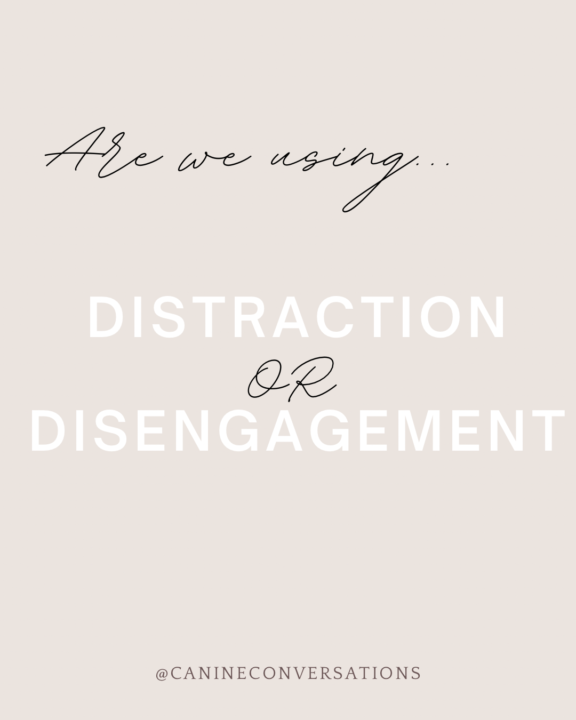
Are we using distraction or disengagement? These two concepts are often used interchangeably but in behaviour modification they serve very different purposes and choosing the wrong one at the wrong moment can significantly impact progress. Distraction may help a dog cope before they move over threshold. Disengagement involves the dog noticing a trigger, and shifting attention away while remaining emotionally capable of processing the environment. The skill is knowing which one to use and when. That comes down to reading emotional state, threshold, environmental pressure, and whether learning is actually accessible in that moment. Sometimes the safest and most therapeutic decision is not continuing exposure at all but instead creating distance and helping the nervous system recover. This is one of the biggest decision making areas I see trainers and behaviour professionals struggle with in fear, anxiety, and reactivity cases.
2
0

Jul '25 •
We owe it to our dogs.
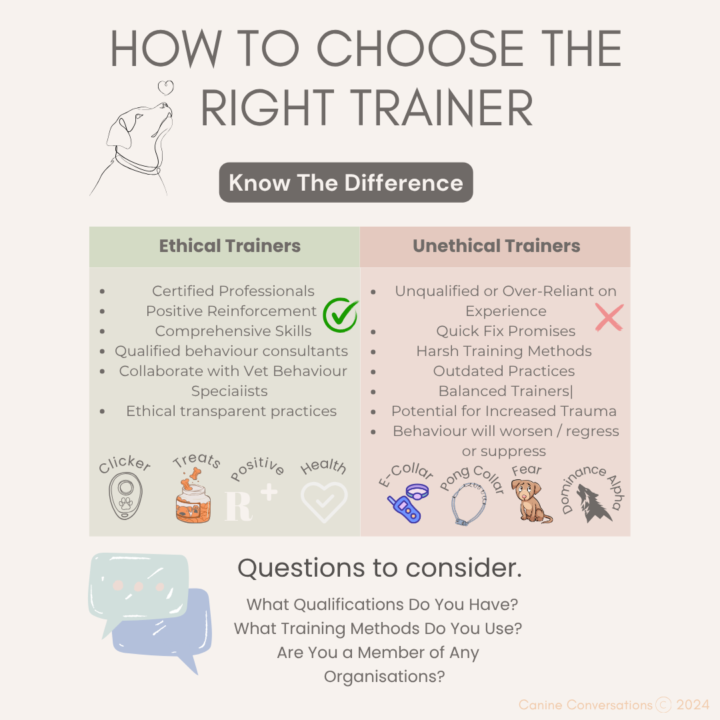
If pain and discomfort are huge contributing factors to behaviour struggles—including aggression, frustration, and anxiety… Does it make you wonder how we can be so cruel? How incredibly tolerant dogs really are with our behaviour? There are truly wonderful unqualified trainers. But in an unregulated industry, there’s no formal pathway for addressing harmful or unethical training practices. I meet emotionally and financially exhausted clients. Their dogs have endured harsh methods. And later we discover undiagnosed hip dysplasia. Arthritis. GI disorders. It is animal abuse. Right in front of us. And it’s utterly heartbreaking
1
0

1-4 of 4
powered by

skool.com/canine-conversations-5016
A learning hub for guardians and trainers exploring canine aggression and complex behaviour through ethical, science-based discussion and education.
Suggested communities
Powered by