
Write something
Pinned
6d •
Expertise vs Growth Mindset
I want to be very clear from the outset: I am not an expert archer or a seasoned hunter, and I don’t present myself as one. Like many of you, I’m still learning, refining my skills, making mistakes, and figuring out what actually works in real-world conditions. What I do bring is curiosity, respect for the craft, and a genuine desire to learn the right way—from people who have already put in the years of experience. That’s why this Skool community isn’t about me positioning myself as the authority, but rather about creating a place where practical knowledge, honest conversations, and real experience can be shared. My plan is to connect with local experts—archers, bowhunters, trackers, land stewards, and outdoorsmen and women who have earned their knowledge through time in the field—and bring their insights directly to this community through interviews, discussions, and shared lessons. These are people who understand local conditions, local game behavior, and the realities we face here, not just theory pulled from a book or social media highlight reels. By learning from them together, we can shortcut common mistakes, deepen our understanding, and build skills in a way that’s grounded, ethical, and realistic. This community is about growth, humility, and shared learning—where beginners feel welcome, experienced members feel respected, and everyone benefits from the collective wisdom of those who truly know the land and the craft. So question for all of you. What to you plan to focus on in the coming year related to archery or hunting?
1
0
Pinned
10d •
Intro
Hey folks. Just getting familiar with Skool and the app. Welcome, feel free to ask questions as you see fit. Questions for you folks. How long have you been shooting a bow for?
8d •
Welcome to the world of archery
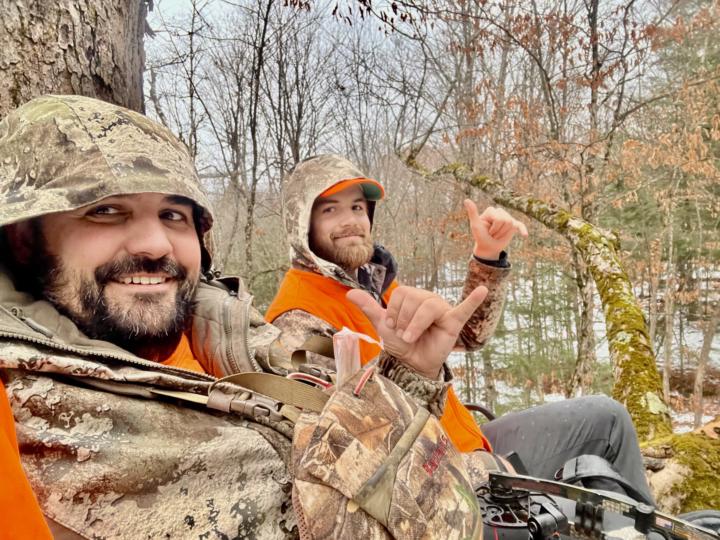
Wanted to let you all know that my friend and colleague @Eric Pot confirmed that he is getting out this week to shoot his new bow for the first time. Welcome to the addiction broda!!!
6d •
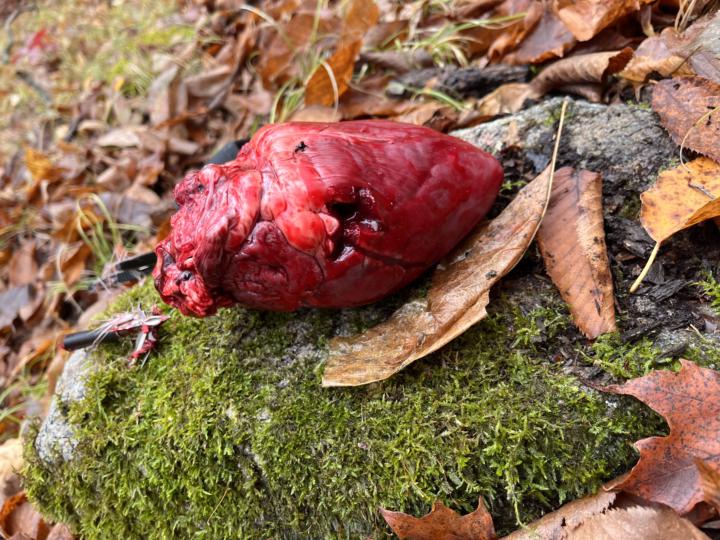
The perfect heart shot
The perfect heart shot represents the highest standard of ethical hunting, placing respect for the animal above all else. Ethical hunters aim for a quick, humane death, and a well-placed heart shot achieves this by causing rapid blood loss and near-immediate loss of consciousness. When executed correctly, it minimizes suffering and greatly reduces the risk of a wounded animal escaping to die slowly. Achieving this shot requires patience, discipline, and a clear understanding of anatomy, shot angles, and personal limits. Ethical hunters wait for broadside or slightly quartering-away opportunities instead of taking rushed or risky shots. This restraint reflects responsibility and respect for wildlife. A clean, efficient harvest also preserves meat quality and honors the animal’s life. Ethical hunting is not defined by the act of killing, but by accountability and stewardship. By prioritizing the heart shot, hunters uphold conservation values and affirm their obligation to ensure death is as quick, clean, and humane as possible. I am appreciative that that I got a heart shot on this years doe. Even decide to preserve it as a “wet specimen”. * I used to have anatomy labs at a morgue so thing kinda stuff interests me and brings me back to my univ days*
10d •
What to do in January to help your 2026 deer hunt:
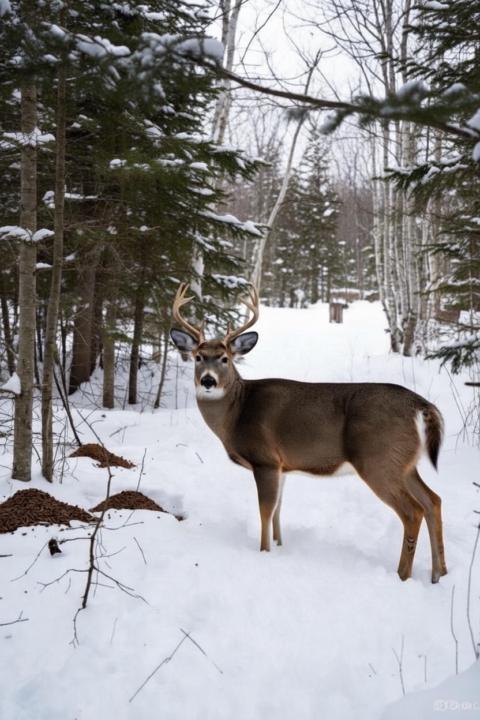
In Ontario, white-tailed deer face significant challenges in January due to deep snow, cold temperatures, and limited access to natural forage, which can impact herd health and survival. As a hunter or landowner interested in supporting the population, focus on actions that align with provincial guidelines emphasizing habitat protection over routine interventions, while being mindful of potential risks like disease transmission. Here are the most beneficial steps you can take this month, based on ecological management principles: 1. Monitor Winter Conditions and Deer Health - Assess local snow depth, temperature trends, and deer yarding behavior (where deer congregate in sheltered areas for protection). Use tools like the Ontario Winter Severity Index (OWSI) or Snow Depth Index (SDI) to gauge severity—e.g., OWSI over 72 signals high risk of starvation. 21 Track indicators such as prolonged yarding (beyond mid-December) or signs of malnutrition in fawns and bucks post-rut. - Why it helps: Early detection allows for informed decisions on whether emergency measures are needed, preventing unnecessary population stress. Report severe conditions to the Ontario Ministry of Natural Resources and Forestry (MNRF) for potential coordinated response. - How to do it: Check weather data from Environment Canada, observe deer yards from a distance without disturbance, and consult MNRF resources for indices. 2. Protect and Avoid Disturbing Winter Habitat (Deer Yards) - Identify and steer clear of deer yards—dense conifer areas providing thermal cover and browse. Avoid recreational activities like snowmobiling, hiking, or dog walking in these zones to minimize energy expenditure for deer. 22 - Why it helps: Deer conserve energy by reducing movement in winter; disturbances force them to expend fat reserves, lowering survival rates. Protecting yards supports overall population resilience and aligns with Ontario’s Cervid Ecological Framework. - How to do it: If you’re a landowner, mark yards on your property and limit access. For broader impact, participate in community stewardship programs through MNRF or local conservation groups to map and safeguard these areas.
0
0
1-5 of 5
powered by
skool.com/bow-hunting-eastern-ontario-7698
Welcome to Eastern Ont. Newbie Archery Hunters – a beginner-friendly group for archery hunting in Eastern Ontario
We help support safe, ethical hunts
Suggested communities
Powered by