
Write something

Mar 31 •
Las Vegas’s Circular Economy?
For #LasVegas to develop a #Bitcoin circular economy, 3 shifts would be required: coordinated local merchant spending in sats, wage payments or community programs in Bitcoin & community adoption treating Bitcoin as a store of value and medium of exchange (not merely a fee-saving payment option) Businesses need to spend received Bitcoin with other local vendors rather than converting to fiat, creating re-circulation loops. Community programs, employer adoption, or tourism initiatives would need to pay salaries or service fees in Bitcoin, creating entry points for residents to earn and spend sats locally. Current adoption is efficiency-driven; circular economies require participants to view Bitcoin as collective wealth that stays local, not as a speculative asset to convert immediately
1
0
Mar 25 •
Willingness vs Willfulness
Willingness: Refers to the ability to accept reality, even if it's unpleasant. It involves acknowledging the situation for what it is and being open to finding solutions. Willfulness: Involves resisting or fighting against reality. It's about clinging to how you think things should be and refusing to accept what is.
1
0

Mar 24 •
Question: Who defines the “Bitcoin Standard”?
Answer: The sovereign individual defines his/her standard.
1
0

Feb 9 •
Welcome! Really glad you’re here 👋
Curious to hear from you: What was the edge that made you want to learn Bitcoin?

Mar 19 •
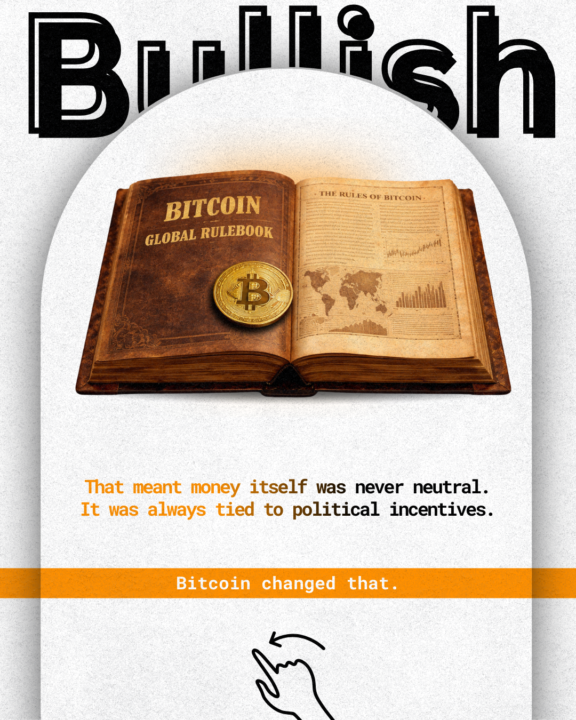
Bitcoin Is the First Global Rulebook
Bitcoin is more than digital money. It is the first global rulebook for money. Open, neutral, and enforced by code instead of institutions, the Bitcoin network creates equal financial rules for anyone in the world to follow.
1
0
1-9 of 9
powered by

skool.com/bitcoin-basics-7217
Our Bitcoin community welcomes everyone, from curious beginners to seasoned experts. Learn, share, plan and stay updated together. Come be part of us!
Suggested communities
Powered by