
Write something
Pinned

Mar 10 •
Title: What You’ll Learn Inside Backcountry Pest Academy
After years of doing wildlife exclusion and rodent work in the field, I’ve handled just about every situation a homeowner can run into. Inside this community I’ll show you exactly how to deal with problems like: 🛠 Rodents • Mice entry point sealing • Rat trapping setups • Full rodent exclusion methods • Attic infestations 🦝 Wildlife • Raccoon entry repairs • Humane raccoon exclusion • Squirrel removal and sealing • Flying squirrel entry points 🦇 Bat exclusion • One-way bat cone installs • Sealing roofline entry gaps • Safe and legal removal methods 🦫 Burrowing pests • Gopher tunnel detection • Proper trap placement • Yard protection strategies 🔎 Inspection skills • How pros find entry points • The 30-second inspection trick • How to spot infestations early My goal here is simple: Help homeowners solve pest problems themselves instead of paying $1,500–$2,000 for a job they could handle with the right knowledge. More walkthroughs, photos, and videos coming soon.
0
0
Mar 10 •
🦇 How Bat Exclusion Actually Works (From a Mountain Wildlife Tech
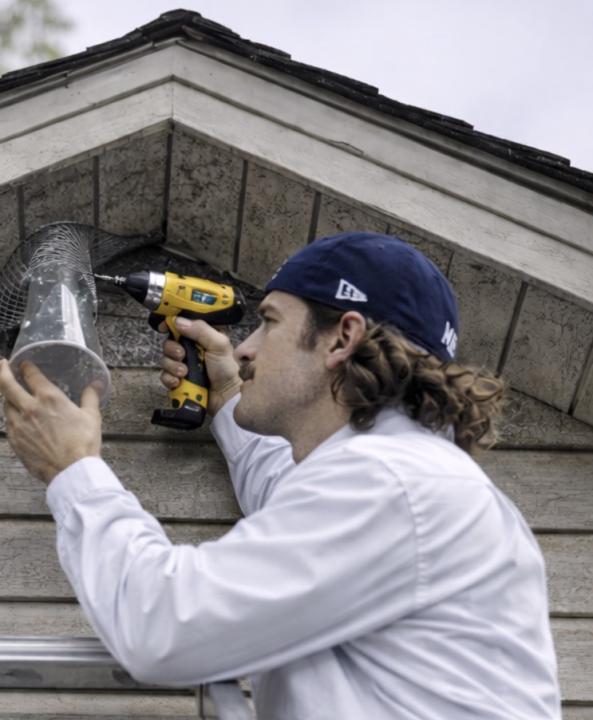
Depending on where you live, bat activity can vary a lot throughout the year. Here in the mountains where I live, bats typically show up from late spring through late October. Once temperatures drop, they usually migrate or move to winter roosting sites. But during those active months, they can become a serious nuisance if they get into your attic or roofline. Bats leave behind large amounts of guano (droppings) and heavy urination, which can create strong odors, staining, and contamination in insulation and attic spaces. It’s definitely something you don’t want building up in your home. 🔎 One Simple Trick to Identify Bat Droppings Here’s a little trick most people don’t know. If you’re inspecting an attic or roofline and you find droppings, you can usually tell the difference between bat droppings and rodent droppings pretty quickly. Put on a glove or some kind of protection and gently press one of the droppings. • Bat droppings will crumble into dust when you press them. • Rodent droppings stay hard and solid. Bat guano contains crushed insect shells, so it breaks apart easily. Rodent droppings are much firmer and won’t crumble like that. 🏠 Finding the Entry Point Once you confirm you’re dealing with bats, the next step is inspecting the exterior of the structure. In my experience, 9 times out of 10 the entry point is above eye level. Common locations include: • roof peaks • fascia boards • soffit gaps • roofline joints • attic vents Occasionally an entry might be closer to eye level, but it’s pretty rare. Bats prefer higher points where they can drop down and take flight easily. 🔧 Installing a One-Way Bat Exclusion Cone Once the entry point (or multiple entry points) are located, the proper way to remove bats is exclusion — not trapping. This means installing a one-way bat cone or exclusion device directly over the hole they’re using. The cone allows bats to exit the structure but prevents them from getting back inside. Bats are extremely active around sunset, so once the cone is installed, they’ll usually leave the structure that evening to feed.
0
0
Mar 10 •
🔎 How I Find Rodent Entry Points Most People Never See
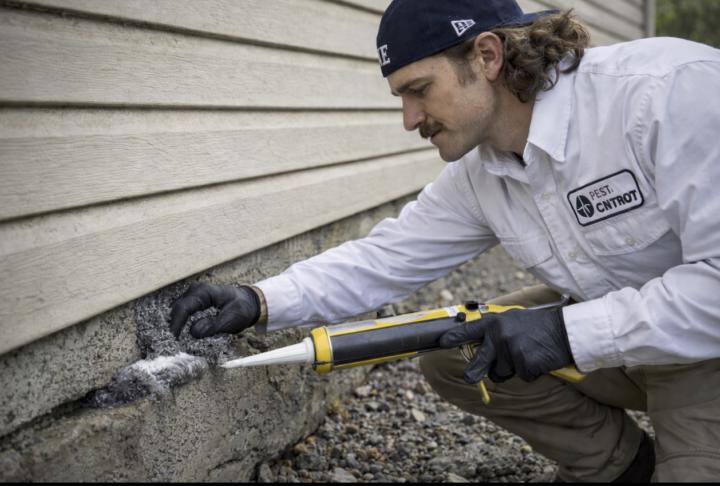
One trick I use on almost every rodent inspection is checking under the siding where it meets the foundation. Most homeowners never look here because the gap is hidden by the siding lip. But this area is one of the most common entry points for mice and rats. To inspect it properly, I’ll walk the entire lower perimeter of the structure using a small inspection mirror. The mirror lets me look up underneath the siding edge to see gaps that aren’t visible from a normal angle. You’d be surprised how many open voids and construction gaps show up this way. If you don’t have a mirror, there’s another easy trick: 📱 Use your phone’s front-facing (selfie) camera. Turn the camera on and slowly slide your phone under the siding while watching the screen. This lets you see hidden gaps where siding meets the concrete foundation. These are the exact areas rodents use to get into: • wall cavities • crawlspaces • insulation areas One of the biggest mistakes homeowners make is sealing interior holes inside the house. That usually turns into an endless goose chase because rodents are already inside the structure. The real solution is stopping them before they ever get into the house. That means finding and sealing the exterior entry points first. This is the same process I use on professional rodent exclusion jobs. More inspection tricks and exclusion methods coming soon inside Backcountry Pest Academy. 🛠🐭
0
0
Mar 7 •
10 Places Mice Enter Homes (Most Homeowners Never Check
🐭 10 Places Mice Enter Homes (Most Homeowners Never Check) After hundreds of rodent exclusion jobs, these are the most common entry points I find around houses. Most infestations start from just one small opening. Here are the first places I inspect: 1️⃣ Garage door corners – tiny gaps where the frame meets the concrete 2️⃣ AC line penetrations – holes where refrigerant lines enter the wall 3️⃣ Hose bibs – the water spigot on the side of your house 4️⃣ Crawlspace vents – damaged screens or loose vent covers 5️⃣ Roof returns – where two roof lines meet 6️⃣ Utility penetrations – cable, electrical, and gas lines entering the house 7️⃣ Foundation cracks – especially near pipes 8️⃣ Attic vents – bent or damaged vent screens 9️⃣ Under siding gaps – especially where siding meets the foundation 🔟 Old repair spots – areas rodents previously chewed open Here’s something most people don’t realize: If a hole is about the size of a dime or quarter, a mouse can usually squeeze through it. Rodent control isn’t just traps and poison. The real solution is finding and sealing the entry point. Quick question for homeowners here: Have you ever actually **found where mice were getting in
0
0
Mar 7 •
The $10 Fix That Stops Mice (The Right Way
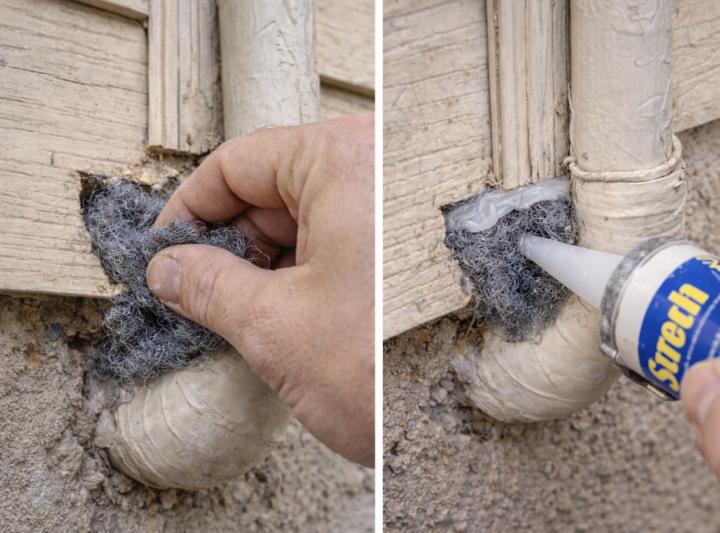
💡 The $10 Fix That Stops Mice You’ve probably heard people say: “Just stuff steel wool in the hole.” Steel wool does help stop rodents because they hate chewing through it. But here’s the problem… Steel wool rusts, falls apart, and pulls out over time if you leave it exposed. That’s why when I seal rodent entry holes, I do it a little differently. First I pack the hole with steel wool to block the entry point. Then I seal it over with a weatherproof exterior caulking like Big Stretch. The caulking protects the steel wool from weather, holds it in place, and makes the repair much more durable. Sometimes I’ll also add hardware cloth if the area gets heavy chewing. Rodent control isn’t just about stuffing holes — it’s about making the repair last. Quick question: Where have you found holes around your house that mice might be using?
0
0
1-19 of 19
powered by

skool.com/back-country-pest-academy-3968
Real-world rodent sealing & wildlife exclusion training. No-BS pest control tactics. Built for techs, hustlers & homestead defenders.
Suggested communities
Powered by