
Write something
Pinned

4d •
👑💜 THE REPLAY IS NOW AVAILABLE, GODDESSES! 💜👑
✨ DISCOVERING WHO YOU REALLY ARE ✨ The Journey Back to Your Authentic Self Goddesses, our Self-Mastery live class has officially wrapped, and the recording is now available for you to watch! 🎥✨ Tonight, I opened up about something very personal to me: LIFE IS MY GREATEST TEACHER! Growing up, my parents always told me I was hardheaded. 😂 And as the oldest child on my mother's side, I learned early that sometimes you have to experience life for yourself to truly understand its lessons. I didn't have an older sibling's experiences to follow. I had to discover my own path, make my own decisions, and learn from the things life placed before me. And that same independence played a major role in discovering my spiritual calling and becoming the woman I am today. One of the most important messages from this class is: SOMEBODY ELSE'S EXPERIENCE DOES NOT HAVE TO BECOME YOUR DESTINY! 👑 You can respect someone's journey without following their blueprint. You can receive advice without surrendering your own judgment. You can honor your family without becoming a reflection of their expectations. And you can trust yourself while remaining open to learning and growing. 🔮 IN THIS REPLAY, WE EXPLORE: 💜 How life experiences shape our identity ✨ The influence of childhood labels and family expectations 👑 Why your journey doesn't have to look like anyone else's 💜 The difference between stubbornness and self-trust ✨ Recognizing your intuition and personal calling 👑 Reconnecting with your authentic self 💜 Turning life's lessons into personal wisdom 📓 YOUR GODDESS REFLECTION ASSIGNMENT After watching the replay, I want you to sit with these three questions: 1️⃣ Who am I when I remove everybody else's expectations? 2️⃣ What has life taught me about the woman I truly am? 3️⃣ What part of myself am I finally ready to embrace? And here's your challenge! Complete this sentence in the comments: ✨ "One thing life has taught me about myself is __________." You don't have to share anything deeply personal. Just one lesson, one realization, or one word that represents your growth.
0
0

Pinned
12d •
🌙✨ VENUS & MERCURY RETROGRADE — VOICE RECORDING ✨🌙
Goddesses, grab your headphones because I wanted to TALK to you about this one instead of just giving you another post to read. 🎙️💜 Venus and Mercury retrograde energy can bring some very interesting themes to the surface—especially around love, relationships, values, money, communication, decisions, old situations, and the things we thought we were finished with. 👀 But I don't want you moving through retrograde season afraid of everything. Retrogrades aren't automatically “bad.” They can give us an opportunity to REVIEW. REASSESS. REVISIT. RECOGNIZE. And REALIGN. 🎧 In this voice recording, I'm breaking down what you need to know, what to pay attention to, and how you can consciously work with this period instead of immediately blaming Mercury every time your phone freezes. 😂 While you're listening, keep a journal nearby. Ask yourself: 💗 What relationship pattern is asking for my attention? 💰 What am I learning about my values, worth, or relationship with money? 🗣️ Where does my communication need more clarity? 🔄 What keeps returning that I may need to finally understand differently? 👑 What am I being asked to reconsider before moving forward? Then come back to the comments and tell me: ✨ WHAT PART OF THE RECORDING HIT HOME FOR YOU THE MOST? You don't have to share anything deeply personal. Even one sentence counts. I want this Academy to be a place where we don't just consume spiritual information—we APPLY it. 🎙️ Press play. 📓 Take notes. 💜 Reflect. 👑 Then come talk to me. — Teri Awakened Goddess Academy ✨ Heal • Learn • Evolve • Belong
1
0

Pinned
Sep 17 •
👑💜 A PERSONAL MESSAGE TO MY ACADEMY FAMILY 💜👑
Before we move into everything I have planned for Awakened Goddess Academy, I want to stop for a moment and simply say: THANK YOU. Whether you've been quietly reading, completing lessons, commenting, watching, supporting, or you're brand new here... I appreciate you being in this space. And I also want to let you see a little more of the REAL person behind this Academy. My life can be HECTIC. 😂 There are days when my schedule is absolutely CRAZY. I am a mother. I work. I run a business. I teach. I create. I study. I build courses. I create resources. I handle responsibilities outside of this Academy that you may never see. I'm building my own future while teaching other people how to consciously build theirs. And some days? Baby...I am TIRED. 😂 Some days I have an entire plan written down and life looks at that plan and says: “That's cute.” 😭😂 There are days when I'm working and thinking about an Academy lesson. There are nights when I'm exhausted but an idea hits me and I start writing. There are moments when I'm balancing motherhood, work, business, finances, responsibilities, personal development, spirituality AND trying to remember that I'm also a human being who needs REST. I don't always get everything done exactly when I planned. I don't always have a perfectly structured day. And I don't want to stand in front of you pretending that I do. ━━━━━━━━━━━━━━━━━━ 👑 BUT HERE'S WHAT I HAVE LEARNED ABOUT MYSELF: ━━━━━━━━━━━━━━━━━━ I KEEP BUILDING. I may have to stop. I may have to adjust. I may have to change the plan. I may have to handle life first. I may need to rest. But I come back. And THAT is something I want you to understand about Conscious Creation. Consistency does not always mean doing everything perfectly every single day. Sometimes consistency means: “I didn't quit.” I adjusted. I learned. I rested. I handled what needed to be handled. AND THEN I CAME BACK TO THE VISION. ━━━━━━━━━━━━━━━━━━ 💜 I'M BUILDING THIS WITH YOU
1
0

13h •
♏ MERCURY RETROGRADE IN SCORPIO
October 24–November 13, 2026 PAUSE. REFLECT. REVISIT. 🕯️✨ Goddesses, before you send that message, reopen that door or assume you know the whole story—give yourself space to get clear. In astrology, Mercury represents communication, thinking, learning and information. Scorpio invites us beneath the surface to examine trust, privacy, intimacy and the truths we sometimes struggle to name. This retrograde offers a symbolic season for reviewing unfinished conversations and reconsidering old conclusions. Something familiar deserves a fresh look—but familiarity alone does not mean it deserves access to you again. 📅 YOUR TIMELINE • October 4–24: Pre-shadow—notice themes you may want to revisit. • October 24–November 13: Retrograde—review, clarify and revise. • November 13–30: Post-shadow—apply what you learned and follow through. ✨ GUIDANCE FOR ALL 12 SIGNS Read your RISING sign first for the life areas below, based on whole-sign houses. Read your Sun for additional reflection. These are spiritual reflection prompts, not guarantees of events. ♈ ARIES — TRUST & SHARED RESOURCES Review shared expenses, emotional agreements and expectations around intimacy. Ask direct questions rather than relying on assumptions. Journal: Where do I need clarity before giving more? ♉ TAURUS — PARTNERSHIPS & AGREEMENTS Revisit how you and others communicate your needs. If an old connection resurfaces, consider present behavior and accountability before deciding what comes next. Journal: What needs to be understood differently between us? ♊ GEMINI — ROUTINES & DAILY WORK Review your schedule, recurring tasks and workplace communication. Simplifying a strained routine may serve you better than trying to push harder. Journal: What keeps creating avoidable stress in my day? ♋ CANCER — CREATIVITY, ROMANCE & JOY Return to an unfinished creative project or reflect on how you express affection. In dating, leave room to learn who someone is beyond the chemistry. Journal: What brings me joy without requiring me to abandon my boundaries?
0
0

21h •
👑💜 HAPPY SELF-MASTERY SUNDAY, MY BEAUTIFUL GODDESSES! 💜👑
Let me ask y'all something... HOW MANY TIMES HAVE YOU SAID YOU WERE GOING TO DO SOMETHING, BUT NEVER ACTUALLY STARTED? 👀 Don't worry. We're not here to judge anybody! We're here to GROW! One thing life has taught me is that you can have all the dreams, visions, and intentions in the world... But eventually, you have to MAKE A DECISION AND TAKE ACTION! And that's exactly what we're working on today! ✨ NEW LESSON ✨ 👑 SUNDAY INTEGRATION LAB: THE ONE-PRIORITY DECISION 📚 Classroom: Executive Collective Today, we're learning how to: 💜 Reflect on our experiences 💜 Recognize our accomplishments 💜 Identify what needs attention 💜 Choose ONE meaningful priority 💜 Create a realistic seven-day plan Because self-mastery isn't about being perfect. It's about becoming more conscious of your choices and following through on your commitments. 🌹 NOW LET'S GET THIS COMMUNITY TALKING! I WANT EVERY GODDESS TO ANSWER THESE THREE QUESTIONS: 1️⃣ What is ONE thing you learned about yourself this week? 2️⃣ What is ONE priority you're focusing on for the next seven days? 3️⃣ What is ONE action you can take to move toward that goal? You don't have to share anything too personal. Just show up for yourself! And while you're here, encourage another Goddess in the comments. Let's start building a community where we actually communicate, practice, and support one another! 👑 I'LL BE READING YOUR RESPONSES! With love, Rev. Dr. Teri Taylor Founder | Awakened Goddess Academy ✨ Heal • Learn • Evolve • Belong ✨
0
0

1-30 of 85
powered by
skool.com/awakened-goddess-academy-2585
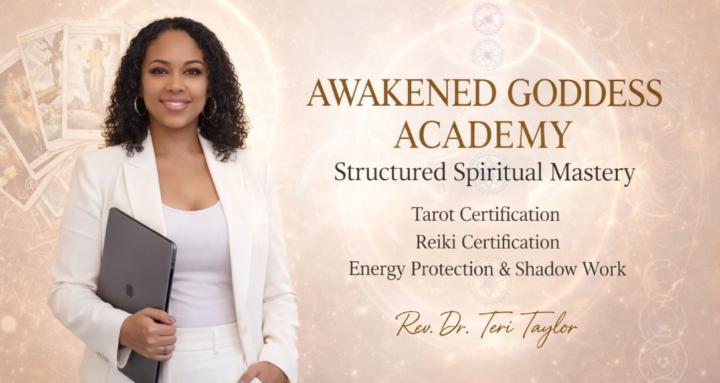
Where intuition becomes structured mastery. Certification in Tarot, Reiki & spiritual development for serious practitioners.
Suggested communities
Powered by