
Write something

Jan 31 •
Let’s Get to Know Each Other Better
As we continue building this space, I want to better understand who you are and what you’re here for. If you’re open to sharing, I’d love to know: 1. What do you currently make?(Dresses, bridal, custom garments, personal projects, client work, etc.) 2. What would you like to gain from a community like this?(Clearer construction logic, better fit, more confidence, professional growth, career direction, etc.) There’s no right or wrong answer. Your responses will help shape the conversations, topics, and depth of what we explore here moving forward. Feel free to comment with as much or as little detail as you like. Michael.
Mar 29 •
The silent risk in fashion: the disappearance of craftsmanship
In an industry that constantly celebrates innovation, speed, and newness, we are overlooking something critical: The people who actually know how to make the garments. True craftsmanship in fashion, pattern makers, sample makers, alteration specialists, couture technicians, is becoming increasingly rare. Not because it’s no longer needed, but because it’s no longer being developed. We are facing a structural gap. Fewer young professionals are being trained in construction, fit, and technical problem-solving. And even fewer are staying long enough to master it. This is not just a “skills shortage.” It’s a long-term risk for the entire industry. Because fashion is not only about ideas, It is about execution. Without craftsmanship: • Designs lose integrity in production • Fit becomes inconsistent • Alterations become reactive instead of strategic • Quality declines, even in luxury And more importantly: We lose the ability to solve problems physically, not just conceptually. Craftsmanship is not fast. It is not always visible. But it is what sustains everything else. If we don’t actively train the next generation, through mentorship, proper education, and real atelier exposure, we are not just losing a skillset. We are losing the foundation of fashion itself. The question is not whether this will affect us. It’s how soon. Share your thoughts.
Jul 10 •
Welcome back to Alterations to Atelier. 🖤
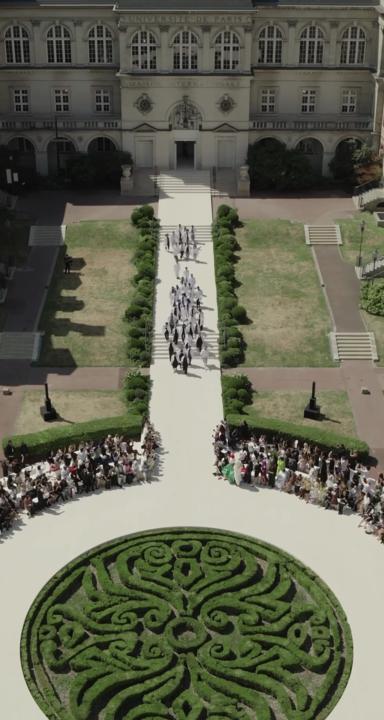
This week, Couture Fashion Week gave us a beautiful reminder of something I deeply believe: The most iconic brands don’t become unforgettable by trying to be everything to everyone. They become unforgettable by mastering who they are. Watching Balenciaga reconnect with the roots of Cristóbal Balenciaga—sculptural silhouettes, movement, volume, and honoring the atelier behind the work—was a reminder that true luxury is built on identity and craftsmanship. And honestly, that’s exactly why I created this community. Because I believe alterations businesses, ateliers, and creative entrepreneurs have the opportunity to become so much more than a service. They can become an experience. An unforgettable brand. A place where clients feel cared for, educated, and transformed. Over the years, I’ve learned that growing a profitable business isn’t only about sewing better or working harder. It’s about: ✨ Building systems. ✨ Elevating the client experience. ✨ Understanding pricing and profitability. ✨ Developing technical excellence. ✨ Creating a brand people remember. That’s what Alterations to Atelier is about. Helping you level up, from providing a service to building an atelier experience and a more profitable business. And we’re just getting started. Over time, we’ll be opening new courses, sharing real industry experiences, and building resources to help you elevate every aspect of your business and atelier. As a thank you to those who are joining us early, our founding members will keep their $19/month membership forever. As the community grows and more education is added, pricing will increase for future members—but those who are here from the beginning will always keep their original rate. I’m incredibly excited to build this together. Welcome to Alterations to Atelier. 🖤
1
0
Feb 10 •
Hey! I want to know more about you! :)
Hi everyone, My name is Michael. I’ve been involved in the fashion industry since I was a child. I grew up watching my mother sew, and what started as something familiar slowly became a real passion and a lifelong path. My journey in fashion has been anything but linear. I moved out of my home country and rebuilt my career from scratch in a new place, a new culture, and a new language. That experience shaped not only how I work, but how I understand discipline, craft, and growth in this industry. Today, I work within a highly prestigious bridal environment, and it continues to remind me how demanding and meaningful this field truly is. Fashion is not just creativity. It requires structure, technical intelligence, consistency, and years of hands-on experience. One of the reasons I created this space is because I genuinely believe fashion is a profession that deserves the same respect as engineering or architecture. The level of knowledge, responsibility, and precision required to build a real career here is just as high whether you work in alterations, production, design, or leadership. I want my work to make an impact beyond clients. I want it to reach people who are deeply passionate about fashion and committed to growing within it. I know many of you here are already involved in the industry in different ways, and I’d truly love to connect with you. Feel free to share what part of fashion you work in or what you’re working toward. I’m glad you’re here. Michael Zamora
1
0
Dec '25 •
How Fashion Forgot Alterations And Why That Matters
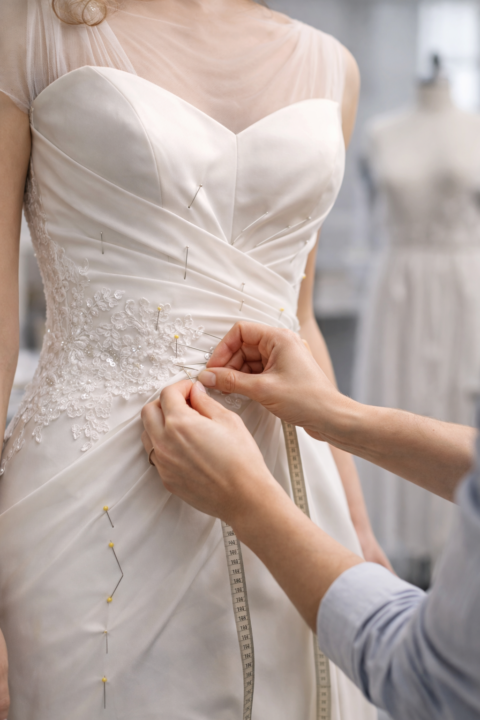
For years, fashion education has treated alterations as secondary work. Something basic. Something you do after the “real design” is done. In reality, alterations are where construction knowledge is tested. Most of what fails in fittings is not about creativity—it’s about structure, balance, and decisions made during construction. Alterations don’t hide those issues. They expose them. This is why many designers avoid alterations altogether. They force you to confront what wasn’t understood from the beginning. In professional environments, alterations are not about “making it fit.” They are about reading a garment, understanding its logic, and deciding how far it can be pushed without breaking its structure. When fashion ignores alterations, it creates a generation of professionals who can design, but not execute. Understanding alterations is not a step backward. It’s one of the clearest paths to mastering garment construction. Michael Zamora
1-11 of 11
powered by
skool.com/atelier-by-michael-zamora-2634
For alterations business owners ready to level up: better pricing, harder fits, more clients, real growth.
Suggested communities
Powered by