
Write something

Dec '24 •
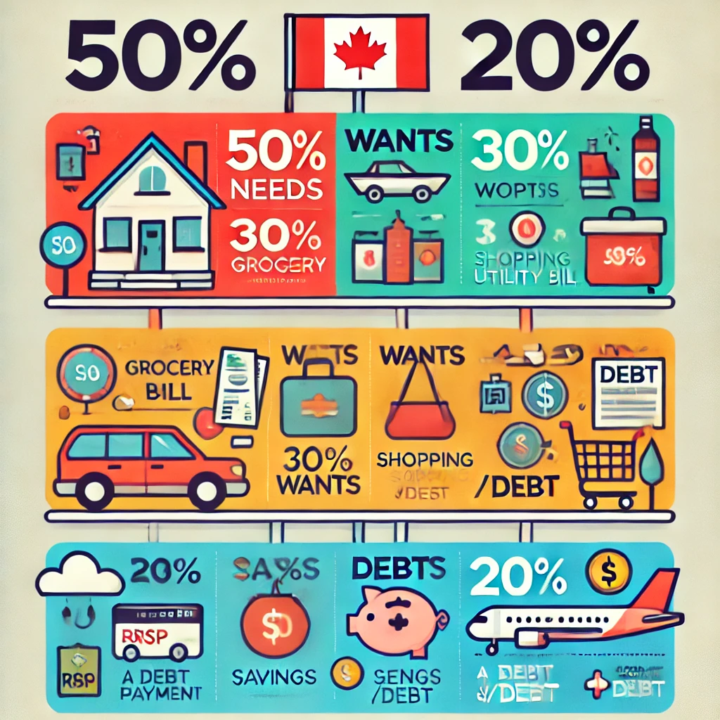
50/30/20 Rule of Personal Budgeting
The 50/30/20 rule is a simple and effective budgeting framework that helps individuals allocate their after-tax income into three categories: 1. 50% - Needs: Essentials you must pay for to live and work, such as rent/mortgage, utilities, groceries, transportation, and insurance. 2. 30% - Wants: Non-essential expenses that bring joy, like dining out, entertainment, shopping, and hobbies. 3. 20% - Savings/Investments: Money set aside for financial goals, debt repayment, emergency funds, or retirement savings. Example: Imagine you earn $4,000 per month (after taxes): 1. 50% - Needs ($2,000): • Rent: $1,200 • Utilities: $200 • Groceries: $400 • Transportation (gas/public transport): $200 2. 30% - Wants ($1,200): • Dining out: $300 • Subscriptions (Netflix, gym): $100 • Shopping: $400 • Travel fund or entertainment: $400 3. 20% - Savings/Investments ($800): • Emergency fund: $300 • Retirement account (RRSP/401k): $300 • Debt repayment: $200 This rule helps balance spending on essentials, enjoying life, and preparing for the future. It’s flexible and can be adjusted to suit individual financial goals!
0
0
Dec '24 •
Dr. Manmohan Singh: The Architect of India's Economic Reforms
I was a CA student when Dr. Manmohan Singh initiated the economic reforms in India. At that time, India was a nationalized economy, and everything operated in the old way. However, Dr. Singh's visionary policies transformed the economic landscape of the country. In 1991, India faced a severe economic crisis. Dr. Manmohan Singh, then the Finance Minister, introduced a series of reforms known as Liberalization, Privatization, and Globalization (LPG). These reforms aimed to open up the Indian economy to the global market, reduce government control, and encourage private enterprise. One of the most noticeable changes was the influx of new cars on the roads. The automotive industry, previously dominated by a few state-owned companies, saw the entry of international players, offering a variety of choices to consumers. This was just the beginning of a series of transformations. The banking sector also underwent significant changes. New private banks emerged, providing better services and more options to customers. The financial landscape became more competitive and efficient, benefiting the common people. Another exciting development was the advent of private TV channels. Until then, Doordarshan was the only broadcaster. The entry of private players brought a variety of content, catering to diverse audiences and revolutionizing the entertainment industry. Insurance was another sector that saw a major overhaul. Before the reforms, Life Insurance Corporation (LIC) was the sole provider. Post-reforms, several private insurance companies entered the market, offering a range of products and services, thus enhancing consumer choice. The telecommunications sector also witnessed a boom. New cell phone companies entered the market, making mobile phones accessible to the masses. This connectivity revolutionized communication and had a profound impact on the economy. Dr. Manmohan Singh's reforms were a turning point for India. They not only stabilized the economy but also set the stage for sustained growth and development. It was fascinating to witness these changes and be part of a transforming nation.
0
0
Dec '24 •
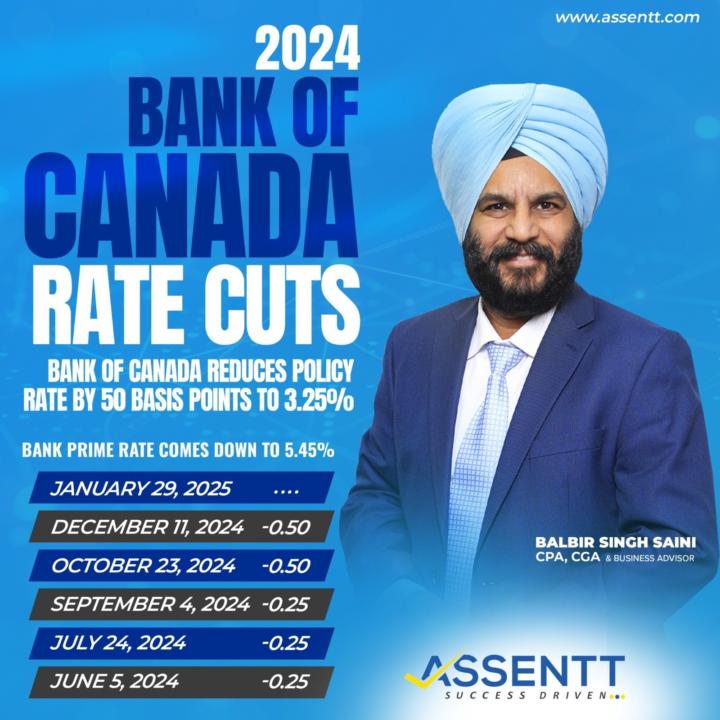
2024 Bank of Canada Rate cuts
Check the article https://assentt.com/2024-bank-of-canada-rate-cuts-what-you-need-to-know/
0
0
Dec '24 •
Minute Books
We have been providing professional minute books preparation services for quite some time. Check this out. P.S. We will provide a series of articles to educate about the Minute Books https://assentt.com/minutebook/
0
0

Oct '24 •
Journey into Franchising - RBC
Join us on Oct 29, 2024 RBC Bank Mountainash Branch Brampton ON. Detail attached.
0
0

1-6 of 6

skool.com/assentt-wealth-7557
Assentt Wealth is about building wealth with business and investment opportunities.
Powered by