

5d •
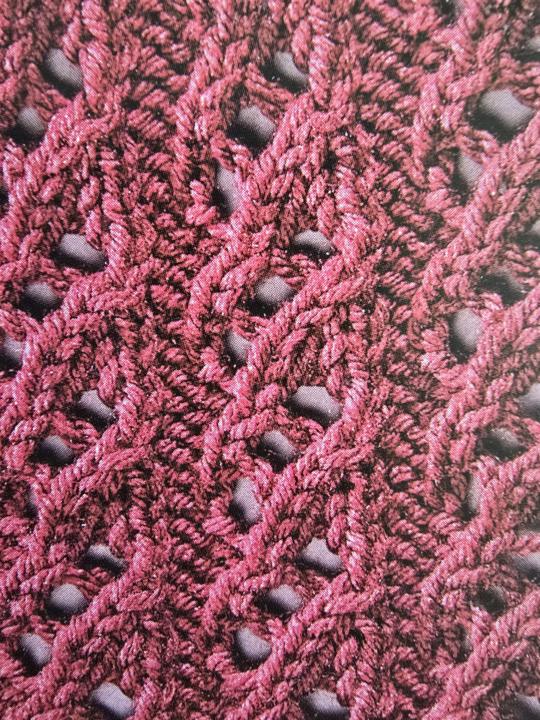
May - Grand Eyelets Stitch
The Grand Eyelets stitch is a beautiful openwork knitting pattern that creates dramatic, oversized eyelets with elegant texture and flow. It’s ideal for lightweight shawls, summer tops, scarves, and statement panels in garments where you want the fabric to feel airy and modern. Simple Grand Eyelets Stitch Pattern This is a beginner-friendly variation inspired by classic eyelet lace motifs. Multiple of 6 stitches + 2 Row 1 (RS) K2, yo, k2tog, k2 repeat to end Row 2 (WS) Purl all stitches Row 3 K2, k2tog, yo, k2 repeat to end Row 4 Purl all stitches Repeat Rows 1–4. What It Looks Like - Large decorative holes arranged in a rhythmic pattern - Soft drape with lots of movement - Modern lace appearance without being overly delicate - Works especially well in solid or lightly tonal yarns Best Yarn Choices Grand Eyelets really shine with: - Fingering or DK weight yarn - Smooth wool, cotton, linen, or silk blends - Lightly tonal hand-dyed skeins - Fibres with good stitch definition Avoid highly fuzzy yarns like mohair if you want the eyelets to stand out clearly. Helpful Tips - Use stitch markers to track repeats - Blocking dramatically opens the lace pattern - Wooden needles help prevent accidental yarn-over drops - A slightly loose tension gives the stitch its airy elegance Great Project Ideas - Breezy summer shawls - Lightweight market wraps - Lace panel sweaters - Table runners - Elegant baby blankets Give the stitch a try and let us know what you think in the comments below.
1
0
Apr 4 •
April - Trinity Stitch
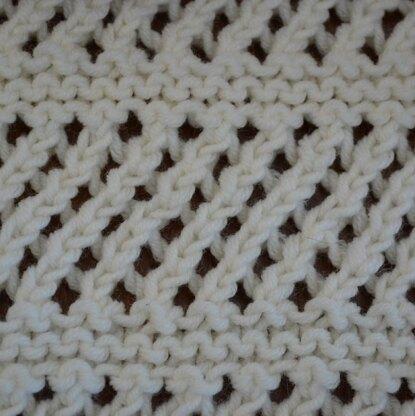
Since we celebrate Easter during the month of April, I decided to add the Trinity stitch here. Love the look of this stitch. On first glance it looks like a type of popcorn stitch. A nice choice when you want lots of texture in your work. The Trinity Stitch (also known as the Blackberry or Raspberry stitch) is a beautiful, textured pattern that creates a dense, "bumpy" fabric. Because it is thick and has a 3D effect, it is perfect for items where you want volume and warmth. Here are the best applications for the Trinity Stitch: 1. Cold-Weather Accessories The stitch creates a very warm, wind-resistant fabric because the clusters pull the yarn together tightly. - Winter Hats & Beanies: The "bobble" effect looks professional and provides extra insulation. - Scarves & Cowls: It creates a cozy, squishy feel that holds its shape well. - Headbands: The thickness is excellent for keeping ears warm without needing a lining. 2. Home Decor This stitch is highly decorative and sturdy, making it a favorite for "statement" pieces in a room. - Throw Pillows: The Trinity stitch provides a sophisticated, boutique-like texture that stands out on a sofa or bed. - Blankets & Afghans: It is a heavy stitch, making for a substantial, weighted blanket. It is often used as a feature panel in a sampler blanket. - Washcloths: Like the crochet crunch stitch, the bumps provide a great surface for exfoliation or scrubbing. 3. Structured Garments Because it is a "yarn eater" and produces a heavy fabric, it is best used for garments that need structure. - Cardigans & Jackets: It works well for heavier outer layers. - Yokes or Cuffs: If you don't want to do a full garment in the stitch, using it on just the yoke or the cuffs adds a beautiful contrast to plain stockinette. Important Considerations - Yarn Consumption: This stitch uses significantly more yarn than a standard knit/purl stitch. Ensure you buy an extra skein for your project. - Drape: The fabric is quite stiff. If you want a softer drape (for a scarf, for example), use a needle size one or two times larger than what the yarn label recommends. - Visuals: As noted in the A River of Yarn community, the stitch has a look similar to a popcorn stitch, making it an excellent choice when you want high-definition texture in your work.
1
0
Mar 5 •
March - Welt Stitch
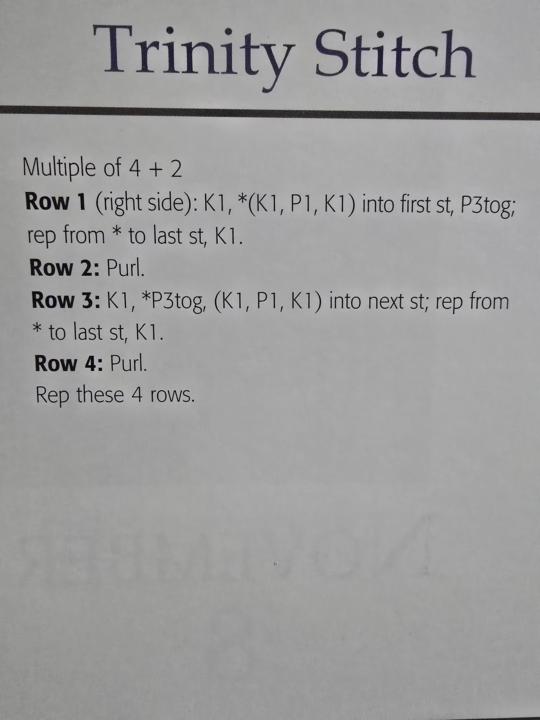
The stitch for March is called the Welt Stitch. Give it a try and let us know what you think. Post your pictures here to show off your work. The Welt Stitch is a classic texture that creates horizontal ridges in knitting. It is essentially the knitted version of "pleats" and is highly valued for its structural integrity and visual depth. Here are the best applications for using the Welt Stitch in your projects: 1. Garment Borders and Edges Because the Welt Stitch is more stable than standard stockinette, it is excellent for areas that need to hold their shape. - Cuffs and Hemlines: It provides a decorative alternative to traditional ribbing. While it doesn't have the same "spring" as ribbing, it creates a crisp, non-curling edge. - Necklines: Using a few repeats of a welt at a collar can create a sophisticated, tailored look for sweaters and cardigans. 2. Structured Accessories The ridges created by welting add thickness to the fabric, making it very warm. - Hats and Beanies: Welting creates a "concertina" effect that allows for a comfortable fit while providing extra insulation around the ears. - Cowls: The horizontal lines drape beautifully and allow the cowl to stand up around the neck rather than flopping down, providing better protection against the wind. 3. Home Decor The 3D nature of the stitch makes it a standout choice for interior textiles. - Throw Pillows: The deep texture provides a modern, architectural look that feels high-end and boutique-inspired. - Blankets and Afghans: Much like the Trinity Stitch, the Welt Stitch adds weight and substance to a blanket. It is often used in "sampler" style blankets to provide a rhythmic, geometric contrast to lace or cable panels. 4. Children’s Wear - Baby Booties and Sweaters: The "ridges" provide a bit of natural stretch and durability, which is perfect for active little ones. It also adds a tactile element that is visually appealing in miniature sizes.
3
0
Jan 13 •
January - Knotted Openwork
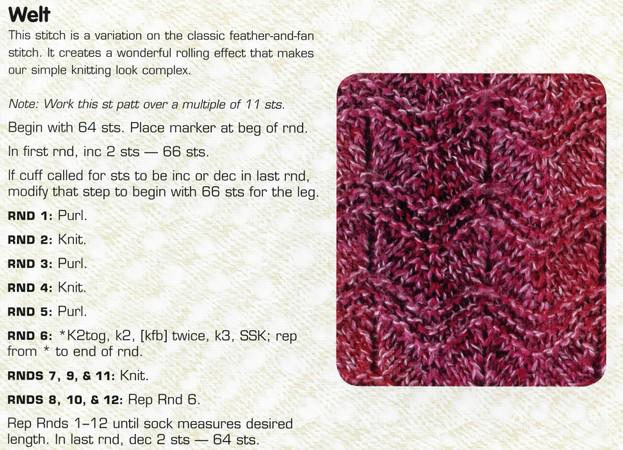
The Knotted Openwork stitch is a multiple of 3. Four rows repeated form the pattern. Enjoy! The Knotted Openwork Stitch is a beautiful lace pattern that creates a series of small, "knotted" clusters separated by delicate eyelets. Because it is a 4-row repeat based on multiples of 3, it is easy to memorize while providing a sophisticated, airy texture. Here are the best applications for using the Knotted Openwork Stitch in your projects: 1. Lightweight Wraps and Shawls This is the most popular use for openwork stitches. The "knots" provide enough substance to keep the shawl from feeling like a spiderweb, while the eyelets allow for a beautiful drape. - Spring Scarves: Perfect for transitioning between seasons when you want a pop of texture without the bulk of a solid stitch. - Rectangular Stoles: The geometric repetition of the knots makes for a very clean, professional-looking edge on long wraps. 2. Summer Apparel The breathability of the knotted eyelets makes this stitch ideal for warmer weather garments. - Beach Cover-ups: Work this in a cotton or linen blend for a breezy, quick-drying fabric. - Tee-Shirt Inserts: Instead of knitting an entire garment in openwork, use it as a decorative panel down the center of a sweater or as a lace detail on the sleeves. 3. Home Linens The "knotted" texture provides a vintage, heirloom feel that looks stunning in home decor. - Decorative Table Runners: The openwork allows the color of the table to peek through, creating a layered look. - Guest Towel Edgings: Adding a few inches of Knotted Openwork to the end of a plain knit hand towel elevates it into a gift-worthy item. 4. Layering Pieces - Market Bags: While it is an open stitch, the "knots" add structural integrity. If worked in a sturdy twine or mercerized cotton, it makes for a stylish, stretchy bag for produce. - Cardigan Vests: An openwork vest can be worn over a solid dress or blouse to add visual interest without adding significant heat.
Feb 4 •
February - Waterfall
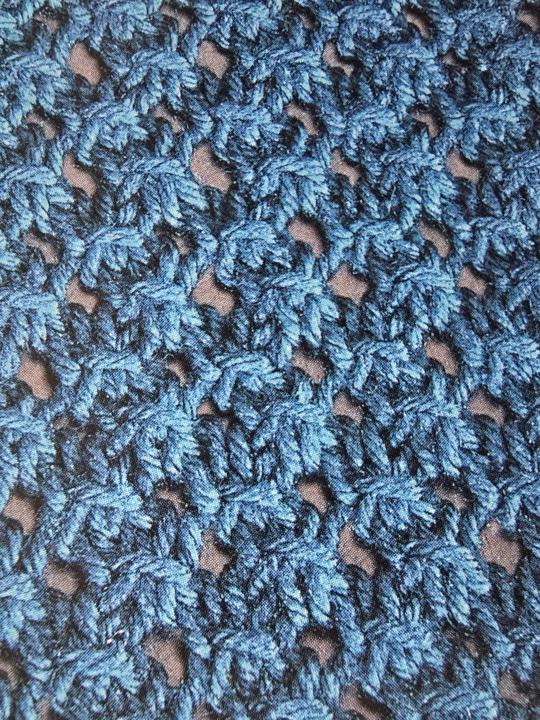
The Waterfall stitch pattern is a multiple of 6 + 3. Six rows repeated for the pattern. Enjoy! The Waterfall Knitting Stitch is a sophisticated pattern based on a multiple of 6 + 3 stitches. With its 6-row repeat, it creates a cascading, vertical texture that mimics the flow of water. Because of its unique drape and rhythmic vertical lines, it is best suited for the following applications: 1. High-Drape Accessories The Waterfall stitch has a natural fluidity that makes it less "stiff" than solid textures like the Trinity Stitch. - Elegant Scarves: The vertical orientation of the pattern helps a scarf lay flat and creates an elongating effect when worn. - Lightweight Cowls: It provides enough texture to look interesting without being overly bulky, making it ideal for "jewelry-style" cowls that are worn indoors. 2. Spring and Autumn Garments The stitch creates a fabric that is mid-weight—providing warmth without being airtight. - Cardigan Panels: Using the Waterfall stitch as a front panel on a cardigan creates a beautiful contrast against stockinette sleeves. - Vests: The vertical "streams" of the stitch are very flattering on the body, making it a great choice for a sleeveless layer. 3. Home Decor - Decorative Hand Towels: Because the stitch is repetitive and clean, it looks excellent in cotton or linen for a guest bathroom. - Textured Pillow Shams: The "cascading" effect adds a sophisticated, modern touch to bedding or sofas, especially when worked in a light, neutral color that catches the light. 4. Baby Blankets For those who want a baby blanket with more visual interest than a basic garter stitch but without the large holes of lace (where tiny fingers can get caught), the Waterfall stitch is a perfect middle ground. It is tactile and squishy but remains relatively solid. Pro-Tips for the Waterfall Stitch - Foundation and Edges: As suggested in the Monthly Knitting Stitches Introduction, always start your swatch with two rows of K1, P1 ribbing. To prevent the vertical columns from causing the sides to pull in, consider adding two edge stitches (knitting the first and last two stitches of every row). - Yarn Selection: This stitch looks best in smooth, round yarns (like a high-quality wool or cotton blend). Fuzzier yarns like mohair will "blur" the waterfall effect, hiding the crisp vertical lines.
2
0
1-6 of 6
powered by

skool.com/a-river-of-yarn-8378
A learning community created for knitters, crocheters, & fibre lovers who want to grow their skills, confidence, and creativity—one stitch at a time.
Suggested communities
Powered by