Activity
Mon
Wed
Fri
Sun
Oct
Nov
Dec
Jan
Feb
Mar
Apr
May
Jun
Jul
Aug
Sep
What is this?
Less
More
Spanish Fluency Club
956 members • Free
Spanish with Soul
46 members • Free
Photography Community
4.4k members • Free
Macro & Close-up Photography
1.1k members • Free
The Spanish Point
108 members • Free
Wildlife Photography
241 members • Free
The Wildlife Lens
43 members • Free
The Photographers Lounge ☕📷
94 members • Free
The Birding Lounge
113 members • Free
12 contributions to The Potted Garden Society

2d •
🍂 Second Spring – Day 29 The Great Indoor Move: Which Plants Come Inside...and Who Gets Left Behind? 🏠🪴
It's moving day! The temperatures are dropping. Our Second Spring garden is cruising along. But some of the plants we've enjoyed all summer are beginning to look nervously toward the house. 🌿 "Sooooo...is there room for me in there?" Maybe.😂 Because today we're talking about: 🏠 𝐓𝐇𝐄 𝐆𝐑𝐄𝐀𝐓 𝐈𝐍𝐃𝐎𝐎𝐑 𝐌𝐎𝐕𝐄! Every fall, container gardeners face the same question: 𝐂𝐚𝐧 𝐈 𝐛𝐫𝐢𝐧𝐠 𝐭𝐡𝐢𝐬 𝐩𝐥𝐚𝐧𝐭 𝐢𝐧𝐬𝐢𝐝𝐞 𝐟𝐨𝐫 𝐰𝐢𝐧𝐭𝐞𝐫? Sometimes the answer is: 𝐘𝐄𝐒! Sometimes it's: 𝐌𝐀𝐘𝐁𝐄... And occasionally it's: 𝐃𝐨𝐧𝐧𝐚, 𝐬𝐭𝐞𝐩 𝐚𝐰𝐚𝐲 𝐟𝐫𝐨𝐦 𝐭𝐡𝐞 𝟒𝟎-𝐩𝐨𝐮𝐧𝐝 𝐟𝐥𝐨𝐰𝐞𝐫𝐩𝐨𝐭. 😂 Because overwintering doesn't necessarily mean dragging every container into the living room. We have options! We can: 🏠 Bring the entire plant indoors ✂️ Take cuttings 🌱 Divide a plant 🪴 Move something into a protected location ❄️ Leave cold-hardy plants outside 🗑️ Say goodbye to plants that have completed their season The trick is figuring out which option makes sense for WHICH plant. But before anything crosses the threshold, we need to talk about: 🐛 𝐓𝐇𝐄 𝐒𝐓𝐎𝐖𝐀𝐖𝐀𝐘𝐒. 🚨 𝐑𝐔𝐋𝐄 #𝟏: 𝐃𝐎𝐍'𝐓 𝐉𝐔𝐒𝐓 𝐂𝐀𝐑𝐑𝐘 𝐀𝐍 𝐎𝐔𝐓𝐃𝐎𝐎𝐑 𝐏𝐋𝐀𝐍𝐓 𝐈𝐍𝐓𝐎 𝐓𝐇𝐄 𝐇𝐎𝐔𝐒𝐄 Please don't look at your lovely herb pot and think: "𝒀𝒐𝒖'𝒓𝒆 𝒄𝒐𝒎𝒊𝒏𝒈 𝒊𝒏𝒔𝒊𝒅𝒆!" then carry it straight to the kitchen windowsill beside your houseplants. Because your herb may not be traveling alone. Outdoor plants can be carrying: 🐛 Aphids 🕷️ Spider mites 🪰 Whiteflies 🐜 Ants 🥚 Insect eggs 🐌 Slugs or snails 🪰 Fungus gnats or other organisms in the potting mix And outside? Many of these aren't a huge problem because predators, rain, weather, and the larger ecosystem help keep things in balance. Inside your warm house? You may have just opened: 𝐀𝐍 𝐀𝐋𝐋-𝐈𝐍𝐂𝐋𝐔𝐒𝐈𝐕𝐄 𝐖𝐈𝐍𝐓𝐄𝐑 𝐑𝐄𝐒𝐎𝐑𝐓 𝐅𝐎𝐑 𝐀𝐏𝐇𝐈𝐃𝐒. 😂 Warm temperatures. No frost. No rainstorms. No predators. All-you-can-eat plants. They'll leave you a five-star review. 🔍 𝐒𝐓𝐄𝐏 𝟏: 𝐈𝐍𝐒𝐏𝐄𝐂𝐓 𝐁𝐄𝐅𝐎𝐑𝐄 𝐘𝐎𝐔 𝐌𝐎𝐕𝐄 Before bringing ANY outdoor plant inside look carefully. And I mean REALLY look. Check: 🌿 Tops of leaves 🔍 Undersides of leaves 🌱 New growth 🌿 Where leaves meet stems

2 likes • 2d
Thank you for all these excellent articles... I live in the other hemisphere so I have to turn my head upside down to try and work everything out 🙃😂. Does all this stay on the site so I can look back on it in a few months time?
19d •
🍂 Second Spring – Day 19 Sage: Plant It Now...and You May Be Cooking With It at Thanksgiving! 🌿🦃
There are certain smells that instantly remind you of fall. 🍎 Apples and cinnamon. 🎃 Pumpkin spice. 🔥 Wood smoke. And then there's the unmistakable earthy fragrance of... 🌿 𝐒𝐀𝐆𝐄. If you've ever made stuffing or dressing for Thanksgiving dinner, there's a good chance sage was somewhere in that recipe. But here's something many gardeners don't realize: 𝐒𝐚𝐠𝐞 𝐢𝐬𝐧'𝐭 𝐣𝐮𝐬𝐭 𝐚𝐧 𝐡𝐞𝐫𝐛 𝐲𝐨𝐮 𝐛𝐮𝐲 𝐢𝐧 𝐚 𝐥𝐢𝐭𝐭𝐥𝐞 𝐣𝐚𝐫 𝐨𝐧𝐜𝐞 𝐚 𝐲𝐞𝐚𝐫. It's a beautiful perennial plant that grows wonderfully in containers. And if you get one growing now... You may eventually walk outside, snip a few leaves, and bring fresh sage from your own garden into your holiday kitchen. There's something pretty satisfying about that. 🌿🦃 🌿𝐌𝐞𝐞𝐭 𝐒𝐚𝐠𝐞 Sage is another Mediterranean herb. Which means yesterday's thyme lesson is going to sound VERY familiar. Sage likes: ☀️ Sunshine 🌬️ Good air circulation 🪴 Excellent drainage 💧 Soil that isn't constantly wet And it generally doesn't appreciate a gardener standing nearby saying: "𝐘𝐨𝐮 𝐥𝐨𝐨𝐤 𝐭𝐡𝐢𝐫𝐬𝐭𝐲. 𝐇𝐞𝐫𝐞, 𝐡𝐚𝐯𝐞 𝐬𝐨𝐦𝐞 𝐦𝐨𝐫𝐞 𝐰𝐚𝐭𝐞𝐫." 😂 Thyme and sage could happily form the: "𝐏𝐋𝐄𝐀𝐒𝐄 𝐏𝐔𝐓 𝐃𝐎𝐖𝐍 𝐓𝐇𝐄 𝐖𝐀𝐓𝐄𝐑𝐈𝐍𝐆 𝐂𝐀𝐍" 𝐂𝐋𝐔𝐁. 🪴 𝐓𝐡𝐚𝐭 𝐂𝐮𝐭𝐞 𝐋𝐢𝐭𝐭𝐥𝐞 𝐒𝐚𝐠𝐞 𝐏𝐥𝐚𝐧𝐭 𝐖𝐨𝐧'𝐭 𝐒𝐭𝐚𝐲 𝐋𝐢𝐭𝐭𝐥𝐞 This is something to think about when you're choosing a container. That adorable little sage transplant at the garden center can eventually become a small woody shrub. Depending on the variety and growing conditions, common culinary sage can grow a couple of feet tall and wide. So while you don't need to put a tiny transplant into an enormous container immediately, plan for its future. A mature plant will appreciate a pot roughly: 🪴 𝟏𝟐 𝐢𝐧𝐜𝐡𝐞𝐬 𝐰𝐢𝐝𝐞 𝐚𝐧𝐝 𝐝𝐞𝐞𝐩 𝐨𝐫 𝐥𝐚𝐫𝐠𝐞𝐫 And you may eventually need to move it into something bigger. As always... 𝐃𝐫𝐚𝐢𝐧𝐚𝐠𝐞 𝐡𝐨𝐥𝐞𝐬 𝐚𝐫𝐞 𝐧𝐨𝐧-𝐧𝐞𝐠𝐨𝐭𝐢𝐚𝐛𝐥𝐞. ☀️ 𝐆𝐢𝐯𝐞 𝐒𝐚𝐠𝐞 𝐏𝐥𝐞𝐧𝐭𝐲 𝐨𝐟 𝐒𝐮𝐧𝐬𝐡𝐢𝐧𝐞 Sage performs best with lots of light. Aim for around: ☀️ 𝟔+ 𝐡𝐨𝐮𝐫𝐬 𝐨𝐟 𝐝𝐢𝐫𝐞𝐜𝐭 𝐬𝐮𝐧 A sunny patio, balcony, deck, or doorstep can be an excellent location. Good sunlight helps keep the plant sturdy and supports the wonderfully fragrant leaves we're growing it for.
2 likes • 17d
Loved all the tips for the herbs, thank you. I've grown them all in the past but need to plant some again - I do have some dried thyme - which I dried earlier in the year... before I over-watered it 😢. I have garlic chives which have survived my lack of care for over 10 years! Amazingly resiliant.
25d •
🍂 Second Spring – Day 15 Dill: The Herb That's Worth Letting Go to Flower 🌿🌼
Yesterday we gave parsley the respect it deserves. Today we're moving on to one of its feathery friends...🌿 𝐃𝐈𝐋𝐋! Just brushing against dill can release that unmistakable fragrance that immediately makes you think of... 🥒 𝐏𝐈𝐂𝐊𝐋𝐄𝐒! But dill has a lot more going for it than keeping cucumbers company in a pickle jar. It's a wonderful cool-season herb for containers, produces edible leaves AND seeds, attracts beneficial insects, and may even help you raise a few beautiful butterflies along the way. And unlike some herbs where we're constantly trying to prevent flowering... With dill, there are some very good reasons to say: "Go ahead. 𝐁𝐋𝐎𝐎𝐌!" 🌼 🌿 𝐖𝐡𝐲 𝐃𝐢𝐥𝐥 𝐁𝐞𝐥𝐨𝐧𝐠𝐬 𝐢𝐧 𝐭𝐡𝐞 𝐅𝐚𝐥𝐥 𝐆𝐚𝐫𝐝𝐞𝐧 Dill doesn't particularly enjoy blazing summer heat. High temperatures can push it toward flowering and seed production quickly, shortening the amount of time you have to harvest those tender leaves. Sound familiar? We just talked about the same problem with cilantro! As temperatures become milder, dill generally has a better opportunity to produce plenty of leafy growth before flowering. That's why it deserves a spot in our Second Spring herb garden. 🪴 𝐂𝐚𝐧 𝐘𝐨𝐮 𝐑𝐞𝐚𝐥𝐥𝐲 𝐆𝐫𝐨𝐰 𝐃𝐢𝐥𝐥 𝐢𝐧 𝐚 𝐂𝐨𝐧𝐭𝐚𝐢𝐧𝐞𝐫? Absolutely. But here's something important to know: Dill develops a taproot. So although that delicate plant looks like it shouldn't need much room, give its roots some depth. A container around 🪴 𝟏𝟎–𝟏𝟐 𝐢𝐧𝐜𝐡𝐞𝐬 𝐝𝐞𝐞𝐩 𝐨𝐫 𝐦𝐨𝐫𝐞 is a good starting point. Make sure it has drainage holes and fill it with loose, well-draining potting mix. And here's another consideration... 𝐃𝐢𝐥𝐥 𝐜𝐚𝐧 𝐠𝐞𝐭 𝐓𝐀𝐋𝐋. Some varieties can reach several feet high. So before buying seed, check the mature height on the packet. Container gardeners may want to look for compact or dwarf varieties if space is limited. 🌱 𝐃𝐢𝐥𝐥 𝐖𝐨𝐮𝐥𝐝 𝐑𝐚𝐭𝐡𝐞𝐫 𝐘𝐨𝐮 𝐍𝐎𝐓 𝐌𝐨𝐯𝐞 𝐈𝐭 Because of that taproot, dill generally prefers to be planted directly where it's going to grow. Sow seeds approximately ¼ inch deep, following your packet's spacing recommendations.
3 likes • 25d
TEAM EVERYTHING 😊 Dill is my second favourite herb after cilantro! I harvested loads of seeds last year... and my pots on my stoep seeded themselves onto the scrubby soil below and are getting leafy now... with a bit of oregano seeding itself as well. The heat will be ramping up soon so I'll have to use the feathers quickly.
29d •
🍂 Second Spring – Day 13 Cilantro: Fresh & Delicious...or Does It Taste Like SOAP? 🌿🧼😂
It's time to kick off the 𝐇𝐄𝐑𝐁 𝐩𝐨𝐫𝐭𝐢𝐨𝐧 of our Second Spring series! And we're starting with an herb that can divide a dinner table faster than almost anything we've grown so far. 🌿 𝐂𝐈𝐋𝐀𝐍𝐓𝐑𝐎. For some people: 😍 Fresh! 🍋 Citrusy! 🌮 Absolutely essential on tacos! For others: 🧼 "𝐖𝐇𝐘 𝐃𝐈𝐃 𝐒𝐎𝐌𝐄𝐎𝐍𝐄 𝐏𝐔𝐓 𝐒𝐎𝐀𝐏 𝐎𝐍 𝐌𝐘 𝐅𝐎𝐎𝐃?!" And here's the really interesting part... 𝐓𝐡𝐞𝐫𝐞 𝐦𝐚𝐲 𝐚𝐜𝐭𝐮𝐚𝐥𝐥𝐲 𝐛𝐞 𝐚 𝐠𝐞𝐧𝐞𝐭𝐢𝐜 𝐫𝐞𝐚𝐬𝐨𝐧 𝐟𝐨𝐫 𝐭𝐡𝐚𝐭. 🧬 𝗪𝗮𝗶𝘁...𝗖𝗶𝗹𝗮𝗻𝘁𝗿𝗼 𝗥𝗲𝗮𝗹𝗹𝘆 𝗧𝗮𝘀𝘁𝗲𝘀 𝗟𝗶𝗸𝗲 𝗦𝗼𝗮𝗽 𝘁𝗼 𝗦𝗼𝗺𝗲 𝗣𝗲𝗼𝗽𝗹𝗲? YES! Cilantro contains natural aroma compounds called aldehydes. Some of the same types of compounds are also associated with the scents we perceive in soaps and other products. Research suggests that genetics can influence how strongly we detect certain cilantro aromas. So while one person bites into cilantro and tastes something bright, fresh, and citrusy... Someone sitting beside them may genuinely experience something very different. In other words: If you've spent your entire life wondering why everyone keeps ruining perfectly good tacos with something that tastes like dish soap... Your taste buds may have an explanation. 😂 🌿 𝗕𝘂𝘁 𝗖𝗶𝗹𝗮𝗻𝘁𝗿𝗼 𝗛𝗮𝘀 𝗔𝗻𝗼𝘁𝗵𝗲𝗿 𝗥𝗲𝗽𝘂𝘁𝗮𝘁𝗶𝗼𝗻... Gardeners often tell me: "I planted cilantro and it was doing GREAT..." Then approximately five minutes later: 🌿 ➡️ 🌸 ➡️ 𝐒𝐄𝐄𝐃𝐒. Okay, maybe not five minutes. But sometimes it certainly feels that way. 😂 That's because cilantro really doesn't appreciate hot weather. When temperatures climb, cilantro quickly begins producing a flower stalk. That's called bolting. Once that happens, leaf production declines and the flavor can change. Which is why... 🍂 𝐅𝐀𝐋𝐋 𝐈𝐒 𝐂𝐈𝐋𝐀𝐍𝐓𝐑𝐎'𝐒 𝐂𝐎𝐌𝐄𝐁𝐀𝐂𝐊 𝐒𝐄𝐀𝐒𝐎𝐍! 🌡️ 𝐂𝐢𝐥𝐚𝐧𝐭𝐫𝐨 𝐖𝐚𝐧𝐭𝐬 𝐖𝐡𝐚𝐭 𝐒𝐮𝐦𝐦𝐞𝐫 𝐃𝐨𝐞𝐬𝐧'𝐭 𝐆𝐢𝐯𝐞 𝐈𝐭 Cool weather. As the intense heat of summer fades, cilantro becomes much easier to grow. Cooler temperatures help slow bolting and give us a longer window to harvest those flavorful leaves. That's why gardeners who struggled with cilantro in June or July may have a completely different experience growing it during their Second Spring.
2 likes • 27d
Definitely TEAM CILANTRO! My favourite herb... with any curry 😋
May 1 •
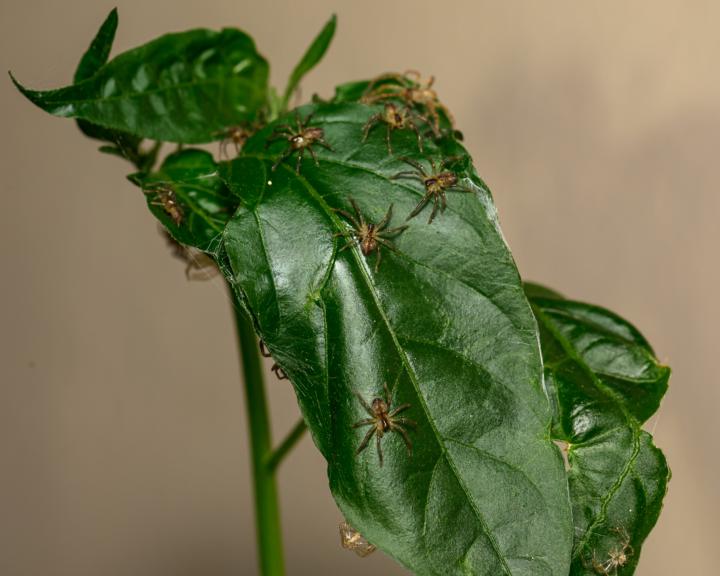
No pests here!
I mostly grow herbs in pots and I love it when some of my spidery friends help to keep the pests at bay... A mama huntsman spider (also called rain spiders and quite large - they can be up to about 35mm body length so of course look much bigger with their long legs) hung her egg sac below some of my pots of herbs which were standing on 2 upturned crates - I didn't see the nest because it was well concealed so the first I knew was when loads of little spiderlings appeared on the pepper plant (1st pic). A couple of days later after they had moulted and got a little bit bigger they moved on to some of the near-by pots - the second pic is a thyme plant, which shows how small the spiderlings are. Please remember - not all the small creatures you find on your plants are bad for them - please don't go spraying and squishing! Also remember - spiders are not as scary as many people think - they just want to get away from us and many benefit us by chomping pests.
0 likes • Aug 11
@Mike Canzoneri thanks yes, a Nikon Z6iii with a 105mm macro lens... love taking pics of tiny creatures 😊
2 likes • Aug 15
@Mike Canzoneri I've been to Costa Rica twice... for the wildlife. Stunning! I saw some of the beautiful frogs. I had a tiny frog living in a plant pot at home for a while - kept me awake at night.... such a loud noise from such a tiny creature. Another good reason to keep pot plants 🐸
1-10 of 12

@yvonne-robson-7576
Amateur photographer with a passion for all creatures, plants, fungi... I also like to do a bit of cooking in between taking and processing photos!
Active 6m ago
Joined Apr 25, 2026
Langeberg Winelands RSA
Powered by