Activity
Mon
Wed
Fri
Sun
Dec
Jan
Feb
Mar
Apr
May
Jun
Jul
Aug
Sep
Oct
Nov
What is this?
Less
More
P1XELAB: Creator Hub
9
Free
The Greater University
51
Free
5 contributions to The Greater University


Oct '25 •
Meet Alex The Apathetic
Alex is 38, lives in a quiet suburban cul-de-sac, and works a steady, unremarkable management job. On the surface, he's functional. He drives a reliable car, pays his bills, and maintains a facade of normalcy. But underneath, his life is the residue of inertia. Eight months after his divorce, the initial shock has settled into a dull, corrosive loneliness. He spends his evenings alone in his dimly lit living room, scrolling endlessly, a man consuming the lives he wishes he had. He feels the weight of his gut every time he ties his shoes and catches the vacant, tired look in his eyes in the bathroom mirror. He tells himself he's just "unlucky" or "too busy," but a deeper, quieter voice—the one he tries to drown out with another beer or one more hour of streaming—whispers a harsher truth: He is the problem. His days are a loop of passive consumption. He likes motivational quotes on Instagram and watches short, punchy videos about discipline on TikTok, often sharing them, feeling a fleeting moment of connection to the idea of self-improvement. But that inspiration evaporates the second he closes the app. The gym membership is a line item on his bank statement, not a destination. His friends, still stuck in the same toxic routines, are his default weekend companions, offering him validation for his bad habits rather than a push toward change. He knows, intellectually, that he wants the joyful, fulfilled life he sees others living—a life built on self-respect and physical vigor—but the effort required feels like climbing a vertical cliff. His major hurdle is a lifetime of cultivated excuses: he can’t afford it, he doesn’t have the time, and he needs his vices to cope. One evening, while mindlessly scrolling through YouTube, Alex stumbles upon one of your videos. It wasn't the usual soft-spoken, self-help guru; it was a verbal punch to the gut. "Stop being a bitch and do the work" and "your life fucking sucks now because of the decisions you made in your past. take accountability" stop him cold. It was abrasive, uncomfortable, and unlike anything he’d ever actually internalized. He expected to hate it, but the raw honesty pierced his self-pity. For the first time, he found someone who didn't coddle the excuses he was so good at making—someone who called them out for the lies they were.

1 like • Oct '25
Find your M.A.T.C.H. Viewer/Client https://docs.google.com/document/d/1tSu93tTbWa2rr2vp1i3NmWHkt5EFjYqsav2rM2L-pYk/edit?usp=sharing
Oct '25 •
What a talk
Talk about a Great Podcast today from @Gregory Rutledge and his amazing guest Stephanie Garcia. If y'all missed ite sure to watch the replay https://www.youtube.com/live/AfOabbr6V6o?si=8_7lkzZlPzBiSp5Y

Sep '25 •
#GroundedStories – Introduce Yourself
Welcome to GREATER University 🎓✨ This is where we get grounded in our stories. I'm proud of you for making it this far, now let that momentum lead you to the comments. Drop your intro below: - Name + where you’re from - One piece of your story that shaped you - What brought you here This is your first step—own your story and let it work for you.
3 likes • Sep '25
@Gregory Rutledge My journey began not on a grand stage, but in the stark silence after a personal storm. I was adrift in the fog of regret after a night lost to myself at Kalahari. I faced a brutal truth reflected in the stern yet respectful words of another. This rock-bottom revelation was just the first tremor. Soon after, the foundations of my personal life cracked with a separation and near divorce, followed by a physical blow, a severe knee injury and a demanding two years of grueling recovery. These were the Trials that forged me, forcing me to explore countless self-improvement paths and confront the raw unvarnished truth, I was the only one who could help myself. From this crucible of pain and perseverance, a profound core belief emerged, everyone holds the power to change, to live the life they desire, but it demands unwavering integrity, relentless hard work, and the sacrifice of comfort. I emerged from this 2 year crucible, not just healed but transformed, I felt an undeniable pull to share the disciplined structure that had rebuilt my life. This was my "Return with the Elixir", this was the birth of Lifestyle Coaching Academy (LCA), built on the bedrock of the New Me Initiative and the non-negotiable daily tasks. The LCA brand's visual identity, the sophisticated dark blues and confident gold reflected the serious, academic energy of our approach, a direct and empowering contrast to the excuses I now stood against. I was ready to show up as the direct, no-nonsense guide, yet also the encouraging mentor, inspiring others to "Do the Work, Be the Change!" When someone who wants a better life, stumbles upon Lifestyle Coaching Academy, they don't find a distant guru. They find me, Coach Will, a real person who has walked through fire, who understands the loneliness of self-improvement, and who offers a clear path forward. My presence is a blend of unflinching honesty and genuine encouragement, a beacon for those tired of the "I'll start tomorrow" cycle. My signature phrases like, "It's all about what you want more: The new you or comfort," cut through the noise, challenging but never condemning.
Sep '25 •
Tough Mudder 2025
Here is a little clip of me taking a "tumble" at the Tough Mudder this year
1-5 of 5
@will-smith-9508
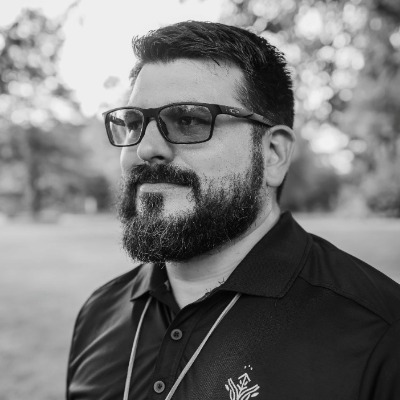
Will here, founder of Lifestyle Coaching Academy and dedicated to teaching you how to help yourself and become the best version of you for you.
Active 20d ago
Joined Sep 18, 2025