Activity
Mon
Wed
Fri
Sun
Nov
Dec
Jan
Feb
Mar
Apr
May
Jun
Jul
Aug
Sep
Oct
What is this?
Less
More
14 contributions to Reamon Recruiting Academy

Jun 6 •
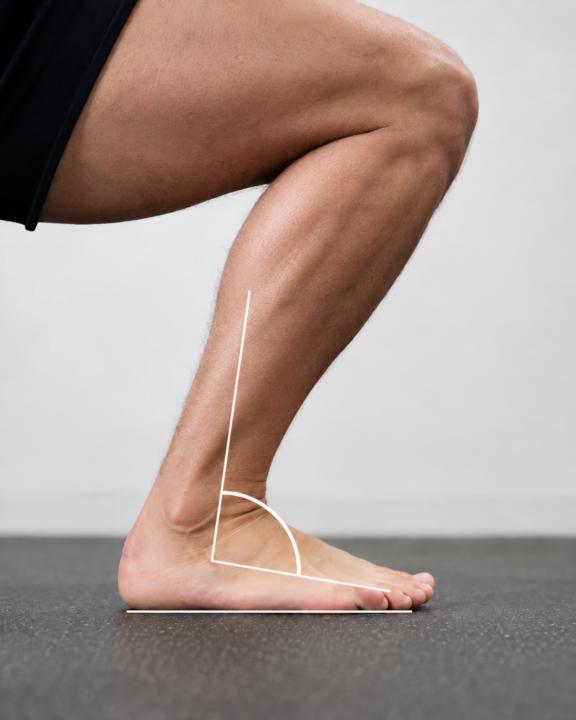
Ankle Flexibility + Shin Angle: The Hidden Key to Athletic Movement
Most athletes think speed and explosiveness come from strength alone. But a lot of times, the problem starts lower. If your ankles are stiff, your body has to find movement somewhere else. That usually means the knees, hips, or lower back start doing extra work. I first learned about this from Coach Rick Trickett, most famously known for his work at West Virginia University and Florida State University as the OL coach. That’s why ankle flexibility matters. When an athlete has better ankle mobility, they can create better shin angles. And better shin angles show up EVERYWHERE: Acceleration Change of direction Deceleration Balance Force production Playing low without bending over at the waist When an athlete can’t get their knee over their toe, it becomes harder to stay in powerful positions. You’ll see it in simple ways. They pop straight up when they run. They round their back in their stance. They lose balance when they cut. They look stiff trying to bend. A good shin angle helps you push the ground the right way. That’s how you create drive. That’s how you come out of breaks. That’s how you strike, redirect, and recover. So parents and athletes, don’t overlook mobility work. Simple places to start: Wall ankle rocks Knee-over-toe mobility Calf stretching Tibialis raises Barefoot balance work Controlled squat holds

1 like • Jun 8
Very informative
Jun 6 •
When is the Right Time to Lock In?
I have a strategy question regarding commitment timelines during the peak of summer. I’m seeing a massive wave of commitments dropping every day across the FBS, FCS, and D2 levels. My original plan was to finish out my live summer camp evaluations and make a final decision right after camp season concludes. However, seeing how fast boards are moving, the main concern is risking a spot. If a program high on your board wants you to wait for a live evaluation later this month, but another program is ready to take your commitment today, how do you balance that risk? At what point does waiting for a camp evaluation turn into a liability where you could potentially lose a roster spot to a guy who pulled the trigger earlier?
3 likes • Jun 8
Don’t commit because everyone else is committing. Ask the coaches: Where am I on your board? How many spots do you have left? What happens if I wait? Recruiting is about gathering information, not following the crowd. I would commit when you have enough information to make the best decision for you.

Jun 6 •
Camp advice
Any advice for camp season im going down to Gardner Webb for their mega camp today and was looking for any tips
7 likes • Jun 6
My biggest piece of advice is to compete. Coaches remember players who make plays, not players who just show up. Be coachable, bring great energy, and don’t let one bad rep affect the next one. Body language matters, and coaches are always watching. After camp, introduce yourself to as many coaches as possible and find out which schools actually recruit your area. That’s valuable information that can help you target future camps and save time and money.
Jun 6 •
Navigating "Drive Time" Recruiting Barriers
I wanted to ask about how geographic location impacts a staff's evaluation board, specifically regarding regional travel limitations. While talking with several recruiting coordinators and position coaches lately, a recurring piece of feedback I've received is that their staff simply cannot approve long-distance travel for evaluations. Multiple coaches have mentioned they will travel up to a 4-hour radius, but a 14-hour drive to a state like Michigan is structurally too far for their budget or calendar to permit. For prospects living in regions that face these 'drive-time' restrictions from out-of-state schools, how do we bridge that gap? If a staff loves your film but explicitly states the drive is too far for an in-person evaluation, what is the best counter-strategy to get them to pull the trigger without requiring a physical scout visit first?
3 likes • Jun 6
The reality is some schools recruit within a geographic footprint. If a coach likes your film but can’t make the trip, the best solution is trying your best to get in front of that staff at a camp, providing verified measurables, and having trusted coaches vouch for you. Great film opens the door, but trusted evaluation is ultimately how you close the deal.
Jun 5 •
Small School recruiting
I am at the smallest school in our area. In Maryland we are 1A and of the 1A teams we are pretty much the smallest just over 600 students total. How will that affect recruiting? I like my school and want to play with my friends I've played with for years.
3 likes • Jun 6
School size matters less than people think. Coaches recruit players, not schools. I will say when the talent is equal, your school could play a factor. The biggest challenge is you'll have to be more proactive because fewer coaches may come through your school. Focus on film, camps, and building relationships with coaches. If you can play, they'll find you. Stay where you're happy and keep developing. But you MUST do your part, and do it well.
1-10 of 14
@tommy-reamon-1688
Former NFL scout, college coach & national recruiting analyst helping athletes and families understand recruiting, exposure & evaluation.
Active 21h ago
Joined May 26, 2026
Washington