Activity
Mon
Wed
Fri
Sun
Aug
Sep
Oct
Nov
Dec
Jan
Feb
Mar
Apr
May
Jun
Jul
What is this?
Less
More
Owned by Tim
HomeSafe Academy is here to help families stay safe, feel secure, and protected from scams. We want to turn victims into victors through preparation.
Memberships
Bio Builders
262 members • Free
The Skool Income Blueprint
113 members • Free
Behavioural Intelligence Lab
209 members • $9/month
Pinterest Skool
5.5k members • $7/month
Recess
613 members • Free
Business Builders Club
8k members • $33/month
Skool Events Daily
371 members • Free
GOOSIFY: Skool Made Fun
13.1k members • Free
The Growth Lab
5 members • Free
11 contributions to Family Safety and Protection

Dec '25 •
Bondi Beach Active Shooter
We had an active shooter event tonight in Australia, when at least 2 shooters opened fire on a Jewish festival at Australia's most famous beach. Currently 10 dead. Footage is coming through and this video shows someone doing exactly what we train and talked about on the recent Active Shooter zoom call. TAKE OUT the attacker, coming from outside their 10&2. Right now I don't have details of what happened next, but it's a reminder that what we teach is applicable. I'll post more over the coming days...


0 likes • Dec '25
The bloke is an absolute legend! I’m so glad he’s recovering well and there are so many lives that were saved by his courage.
1 like • Dec '25
@Glenn Stevens just saw a post where he has been presented a cheque for over 2.5 million dollars for his recovery.
Dec '25 •
It's good to be good
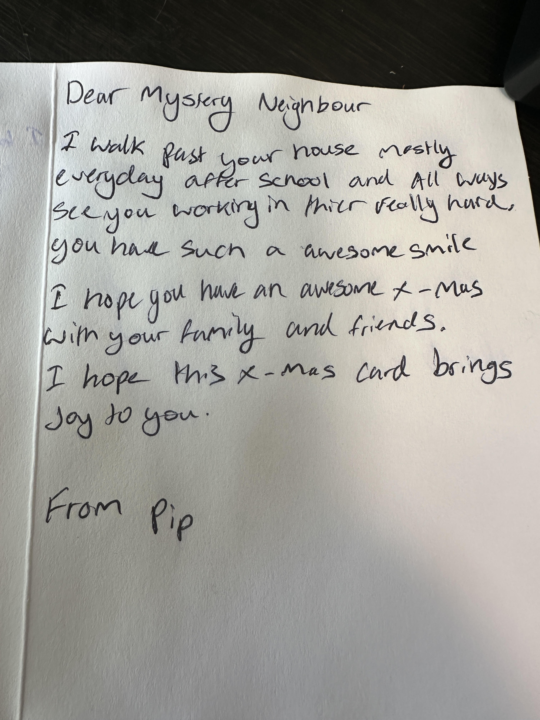
Today, I found a little surprise waiting for me on my car windscreen. A random note with a kind message. It came completely out of the blue, from a mystery neighbour, and honestly, it made my day. It also reminded me how powerful small, thoughtful gestures can be. Something as simple as a kind word, a note, or a smile has the ability to lift someone’s mood and make them feel seen. In a world that often feels rushed or disconnected, these tiny acts of kindness are like little sparks of light. Imagine if more of us took a few minutes to do something unexpectedly nice for someone else. No reason, no agenda, just because. I think we’d all be a little happier, and the world would feel a little softer. So here’s my thought for today. Reach out, say something kind, leave a note, pay a compliment. You never know whose day you might make, and sometimes, it’s the little things that matter most. Who else has experienced a random act of kindness that totally made their day? I’d love to hear your stories
1 like • Dec '25
What a great post! Yes, it is good to be good.
Dec '25 •
It’s Okay to Talk About Recent Incidents
When something shocking or tragic happens in the news, our immediate reaction is often to look away. Many people feel uneasy discussing events that are still fresh, especially when they involve violence, accidents, or crises. It can feel too soon, too raw, or too personal. But talking about these incidents, even while they’re still in the headlines, is not only okay, it can actually be really helpful. One of the most important reasons to discuss recent incidents is emotional processing. When something dramatic or frightening occurs, it can trigger feelings of fear, anger, sadness, or confusion. Holding those feelings in can make them fester. Speaking about them, whether with friends, family, colleagues, or in a guided environment like a support group, allows people to unpack their emotions in a safe way. Verbalising what we see and feel helps our brains process the event more fully, reducing anxiety and stress. Fresh news can leave many people feeling isolated. We may think, “I’m the only one feeling scared,” or “I shouldn’t react this way.” Discussing incidents openly reminds us that our reactions are human and normal. It fosters a sense of connection and solidarity. Even brief conversations about shared concerns can create an environment where people feel seen and supported, which is essential in times of uncertainty. Talking about incidents can also serve a practical purpose: it can help others learn and prepare. For example, discussing a recent accident or security breach may highlight safety lessons or preventive measures. While the conversation should never sensationalise trauma, sharing factual and thoughtful insights helps communities respond more effectively and can even prevent future harm. Society often teaches us to avoid talking about hard things until they “pass,” but this can create stigma around natural emotional reactions. By having conversations about incidents, even those tragedies very recently in the news, we normalise discussing difficult topics and validate the emotions that come with them. Over time, this strengthens emotional resilience and encourages healthier coping mechanisms.
0 likes • Dec '25
Thanks @Glenn Stevens This is thoughtful, compassionate, and grounded in real human experience. It gently reminds people that talking isn’t about dwelling on tragedy, but about caring for one another while things are still raw. I really appreciate the balance you’ve struck between emotional honesty and responsibility — acknowledging pain, encouraging connection, and doing so without sensationalism. It’s a quiet but powerful message that validates how people feel and gives permission to process together, which is something many of us need more than we realise.
Dec '25 •
Don't Tattle
Most of us grew up hearing “Don’t tattle.” And to be fair, it usually came from a very human place. When as a parent you’ve listened to ten arguments before lunch about who sat where or who touched whose Lego, you just want a break from the sibling broadcast. But kids don’t hear “stop tattling” the way we mean it. Where we’re saying, “Please stop reporting every tiny thing,” they often hear, “Adults don’t want to hear problems.” That’s the part that matters. Because kids don’t yet know which problems are small and which ones actually need an adult. They learn that from us through every little interaction, not just the big conversations. Instead of shutting things down with “Don’t tattle,” try something like: “Is this something I need to know?” It’s simple, and it teaches them three things at once: 1. Pause and think. 2. Decide if the issue is small or serious. 3. Know that you’re always open to hearing it. That last one is the most important. You want your child to grow up believing they can come to you, even if they’re not sure how big the issue is. That belief is one of their strongest safety tools. Now Let’s Talk About Secrets Parents often say, “This is our little secret,” about harmless things. A treat you got together, a surprise outing, a fun moment you don’t want turned into sibling drama. Totally normal. But here’s the part we don’t often think about. Kids don’t understand categories of secrets the way adults do. Adults think: “This is harmless, no big deal.” Kids think: “Sometimes I keep things from others if an adult asks me to.” That’s the exact behaviour predators leverage. Not by scaring the child, but by mimicking the same dynamic the child already knows. Shared secrecy, special attention, a sense of “this is just between us” Predators don’t create new behaviour, they exploit the patterns kids already understand. The Fix Is Simple. Surprises, Not Secrets A powerful rule you can put in place right away is: “In our family, we don’t keep secrets, only surprises.”
0 likes • Dec '25
Great post, I hear parents tell their kids behave or I’ll get that security officer over there to lock you up! When I hear it I calmly go over and ask that they don’t do it because if ever they are separated from your child, I would like to think the child will come to us for help. I also use the opportunity to let them know that there are wristbands kids can wear that has the parent’s contact number on it.
0 likes • Dec '25
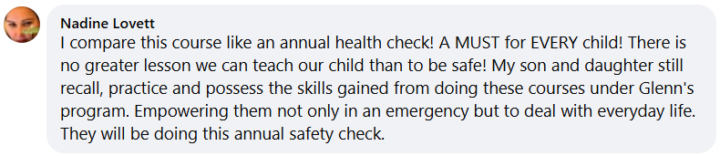
It’s always great to get positive feedback! Well done @Glenn Stevens
1-10 of 11
@tim-stewart-9214
HomeSafe Academy empowers families with practical guides and tools to stay safe, secure, and protected every day. Turning victims into victors!
Active 147d ago
Joined Nov 12, 2025
Kununurra, West Australia