Activity
Mon
Wed
Fri
Sun
Dec
Jan
Feb
Mar
Apr
May
Jun
Jul
Aug
Sep
Oct
Nov
What is this?
Less
More
Owned by Tembi
Registered Nurse supporting care providers in achieving Good and Outstanding CQC ratings through compliance, mock inspections and quality care audits.
105 contributions to CQC Compliance Network UK

6h •
Has your service held a "Good" rating for years? CQC is about to look at you differently.
Has your service held a "Good" rating for years? CQC is about to look at you differently. I want to flag something that's easy to miss if you're deep in the day-to-day of running a service: CQC has been developing a new approach called "Return to Good" — a more targeted assessment model aimed specifically at services that are: - Rated Good across all five key questions - Run by a registered manager - Holding a rating that's more than six years old - Showing no significant risk flags in CQC's data - Free of any ongoing enforcement activity Sound familiar? A lot of well-run services fit that description — and that's exactly the point. CQC has said this model exists for "services where data and intelligence suggest the existing Good rating is likely to have been maintained." In other words: long-standing Good ratings are now a category CQC is actively re-checking, not just leaving alone. What's different about it: instead of a full routine assessment, inspectors lean more heavily on people's lived experience, direct observation, and targeted, risk-based record reviews. If anything concerning turns up while they're planning the visit, they revert straight back to the full process. Here's the bit I want you to sit with: In my own work, I have helped a fair few services climb from Requires Improvement back up to Good or Outstanding. Honestly? That's rarely the hardest job. The harder job is the service that's been sitting comfortably at Good for five or six years — where a training matrix hasn't been refreshed in a while, where audits have quietly become a tick-box exercise, where policies haven't moved with how your residents' needs have changed. None of that shows up on a bad day. It shows up the moment someone looks closely. Good isn't a trophy you get to keep on the shelf. It's a standard you have to keep re-proving — especially if it's been years since anyone outside your service really stress-tested it. So, a question for this community: when did you last run a genuinely honest internal audit or mock inspection — not the kind that confirms what you already believe, but the kind designed to find what you've stopped noticing?
1
0
10d •
Thought of the Week- CQC's state of Care 2025-2026
The dominant sector story this week was CQC’s State of Care 2025/26 report (published 23 October 2026, HC 691), which has been generating commentary throughout the week. Practical takeaway/action (for owners and registered managers) “55% of care homes assessed against CQC’s well-led quality statement this year had governance shortfalls. If you’re a registered manager, that number should make you check your own systems today — not wait for an inspector to do it for you.” What I found in this publication: - CQC’s State of Care 2025/26 names leadership and governance, not staffing or safety, as the area most in need of improvement across the sector. - The specific gaps inspectors keep flagging: DBS checks missing or delayed before start dates, supervision records for locum/agency staff falling behind, and DoLS records not updated — especially relevant given the June 2026 Supreme Court DoLS judgment. - This week’s action: pull your last three audits and check honestly — did every finding get an owner, a deadline, and evidence it was closed? That’s your starting point. - A simple self-check anyone can run today: DoLS register, DBS renewal tracker, and supervision schedule, checked against actual dates — not what’s supposed to happen. Have a good week!
1
0
24d •
Thought: Most medication errors don’t start with the wrong tablet. They start with a rushed round.
The small gaps that become big risks When I review medication incidents, the tablet is rarely the real story. The real story is usually a distraction mid-round, a MAR chart filled in ahead of time, or an “as required” medicine given without checking why it was actually needed that day. Regulation 12 asks for care and treatment to be provided safely. For medicines, that means more than a competent member of staff and a locked cupboard. It means protected time to administer, a culture where a near miss gets reported rather than quietly corrected, and audits that actually change practice, not just tick a box. This week, try this: shadow one medication round, uninterrupted, from start to finish. Notice where the interruptions come from and how the person administering handles them. That’s where your real risk sits. Your turn: What’s one change that made your medicines round safer? Share it below.
2
0
Oct 5 •
Monday Thought-This week, CQC placed two services into special measures for the same underlying reason — and it has nothing to do with staffing ratios or paperwork volume.
- What happened: Allot Healthcare Services (York) was downgraded to Inadequate after safeguarding incidents — including a head injury and three other health episodes in one day went unescalated. Red House Welfare and Housing Society (Sudbury) was found to have "no analysis" of incidents to identify preventive measures, alongside reports of a bullying staff culture. - The common thread in both: not that incidents happened, but that leadership didn't know about them, didn't escalate them, or didn't learn from them. - A practical check for this week: pull three incident forms from the last month and trace them — were they escalated within required timescales? Is there evidence of analysis and a resulting change in practice, or did they just get filed? - If you can't evidence that full loop — incident → escalation → analysis → action — that's your "well-led" gap, and it's worth finding before an inspector does. Sources: Watchdog slams town care home's 'failing leadership' as it puts it in special measures (Suffolk News, 2 Oct 2026); Care company in York placed in special measures over safety concerns (Yorkshire Post, 2 Oct 2026)
3
0
Sep 28 •
Monday Thought: The small gaps that become big risks
Most medication errors don't start with the wrong tablet. They start with a rushed round. When I review medication incidents, the tablet is rarely the real story. The real story is usually a distraction mid-round, a MAR/eMAR chart filled in ahead of time, or a "as required" medicine given without checking why it was actually needed that day. Regulation 12 requires that care and treatment be provided safely. For medicines, that means more than a competent member of staff and a locked cupboard. It means protected time to administer, a culture where a near miss gets reported rather than quietly corrected, and audits that actually change practice, not just tick a box. This week, try this: shadow one medication round, uninterrupted, from start to finish. Notice where the interruptions come from and how the person administering handles them. That's where your real risk sits. Your turn: What's one change that made your medicine round safer? Share it below.
2
0
1-10 of 105
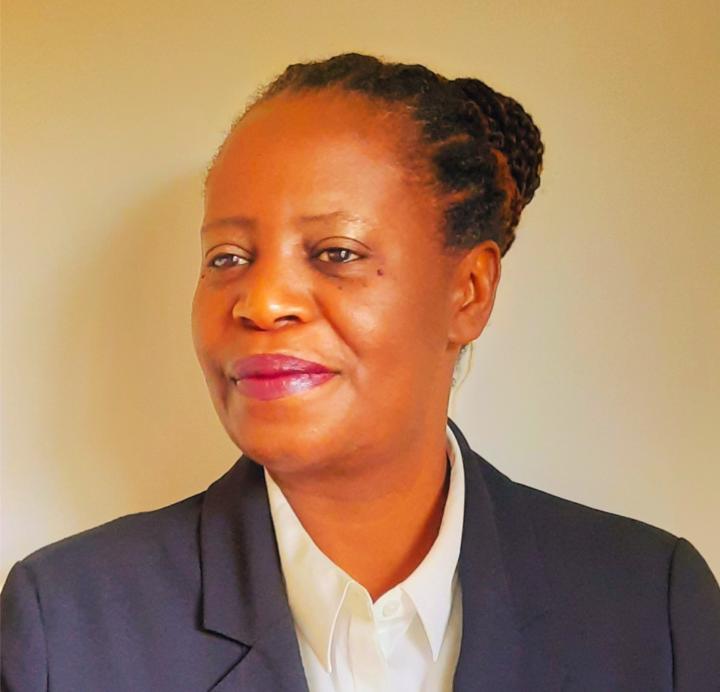
@sithembiso-hlalakuhle-8655
Helping care providers achieve Good & Outstanding CQC ratings through medication audits, care planning, and compliance mentoring.
Active 6h ago
Joined Apr 8, 2026
Cambridge, United Kingdom