Activity
Mon
Wed
Fri
Sun
Aug
Sep
Oct
Nov
Dec
Jan
Feb
Mar
Apr
May
Jun
Jul
What is this?
Less
More
Owned by Ron
Where indie storytellers get unstuck, get support, and get it done. Filmmaking | Games | Comics | Books
Platform for Christian men: build community, foster spiritual growth, sharpen one another via faith & support.
Memberships
NextGen AI
46.6k members • Free
The Independent Authors Guild
248 members • Free
Agent J
2.2k members • Free
AI GameDev Club
292 members • $9/month
Skoolers
164.6k members • Free
The Video Dept.
5.8k members • Free
Free Skool Course
71.5k members • $1
YAP Academy with Hala Taha
182 members • Free
WavyWorld
50.2k members • Free
130 contributions to The Indie Coach
7d •
BIG ANNOUNCEMENT
Some partnerships just make sense. After more than 14 years of coaching, consulting, and walking alongside independent filmmakers, I’m excited to officially announce that The Indie Coach team is joining forces with Filmmaking Stuff. This is a big moment. For years, I have considered Filmmaking Stuff to be one of the premier education platforms in the independent film space. The more I’ve gotten to know Tom and Jason, the more that belief has only grown stronger. In an industry full of coaches, gurus, programs, and promises, I can say this plainly: I believe Filmmaking Stuff is one of the strongest teams out there when it comes to helping independent filmmakers move from idea to execution. That is why I’m honored to partner with them. Together, our goal is simple: help more filmmakers stop waiting, start building, and actually get their movies made. You can read more about the announcement here: Meet Ron Newcomb - Filmmaking Stuff And to celebrate, we’re hosting a free live webinar tonight on film distribution and film finance. Because here’s the truth: We all have a story to tell. But passion alone is not enough. You need strategy. You need guidance. You need people who understand the path and can help you take the next step. So join us. Let’s get your movie made.
0 likes • 2h
@Lane Kimball Insurance Recommendations: I) Luke Gelineau, CLCS United Agencies Burbank 100 No. 1st Street, Ste. 301 Burbank, CA. 91502 Direct Line: (818) 295-2266 Cell Phone: (805) 796-4247 ============================= II) J O H N H A R T | V.P. of Sales www.mfeinsurance.com 811 W. 7th Street 11th Fl. Los Angeles, CA 90017 O: 213.634.2500 |C: 213.248.3583 CA License # 0K73720 WEBSITE: WWW.MFEINSURANCE.COM HOME OF: WWW.INSUREMYDRONE.NET
23h •
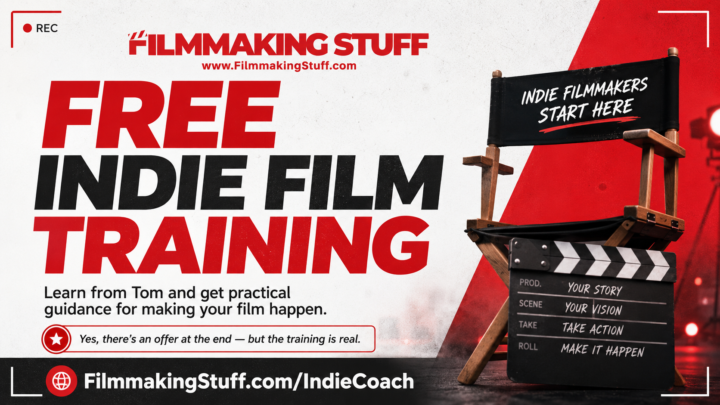
FREE Indie Film Training this Saturday!
FILMMAKERS: Tom is one of the best coaches working in the independent film space today. Yes, I’m biased because I recently joined the Filmmaking Stuff team. But long before that, I was a customer and a student. I would never partner with someone who wasn’t actively doing what they teach. Will there be an offer at the end? Yes. But whether you take advantage of it or not, you’ll still walk away with valuable free training, practical insights, and a clearer understanding of your options as a filmmaker. Learn more here: https://filmmakingstuff.com/indiecoach
0
0
2d •
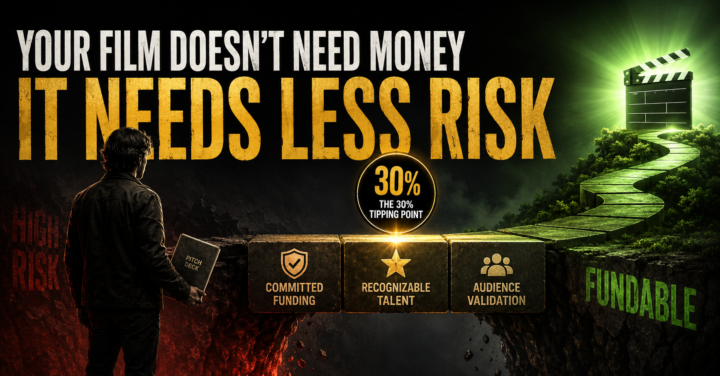
Your Film Does Not Have a Funding Problem. It Has a Risk Problem.
Your film may not have a funding problem. It may have a risk problem. Most filmmakers focus on finding one investor to fund the entire movie. That is usually the wrong goal. The real path forward is reducing risk, building leverage, and reaching the tipping point where investors begin seeing a credible opportunity. In my new article, I break down the practical roadmap from high risk to fundable. Read it, then ask yourself: What is the next thing your film needs to become less risky? https://www.linkedin.com/pulse/your-film-does-have-funding-problem-has-risk-ron-newcomb-tl1zc ALSO, read my latest news about me joining forces with Filmmaking Stuff! https://www.filmmakingstuff.com/meet-ron-newcomb/?utm_source=birdsend&utm_medium=email&utm_campaign=meet-ron&fbclid=IwY2xjawS8yGNleHRuA2FlbQIxMABicmlkETJReVVVaXNhdWhodWRkUG9Rc3J0YwZhcHBfaWQQMjIyMDM5MTc4ODIwMDg5MgABHqYa7iMS16LgwBqzXGp0jSngx9WfchxoWBmZTkGrAZYXvwFuAfLeJbiQiz7V_aem_z3uMDRdY1LxZ38CIuXhqeQ
0
0
3d •
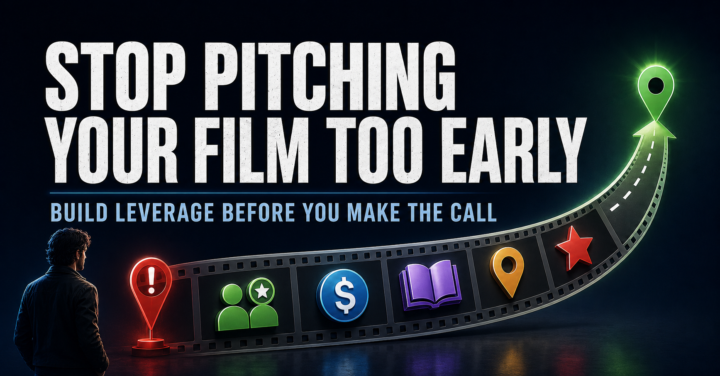
Stop Pitching Your Film Too Early
Talking to investors too early could actually make your film harder to fund. The industry tells filmmakers to start networking immediately. But conversations without leverage often lead to silence, rejection, and burned opportunities. So, when should you approach potential partners? The answer may be later than you think. Listen to learn what you need in place before making that call. https://www.podbean.com/eas/pb-y7dm4-1b0e72e Longer answer here: https://www.linkedin.com/pulse/stop-pitching-your-film-too-early-ron-newcomb-jidtc
0
0
6d •
You don’t have to move to Hollywood to get a manager or agent, but representation is not going to save your career.
On the latest episode of the Indie Coach Podcast, I sit down with screenwriter, filmmaker, and professor Clint Ross to talk about how he built industry momentum from outside Los Angeles and eventually secured both management and agency representation. We discuss: • How competitions, Roadmap Writers, and The Black List helped him create leverage • What finally got the attention of managers and agents • The difference between representation and actual career momentum • Why getting signed does not mean the hustle is over • What Clint tried that did not work • Why writers still need to create their own opportunities and make their own work This is an honest conversation about what a “win” actually looks like for a screenwriter and why representation should be viewed as a tool, not the finish line. 🎧 Watch or listen to the full episode now. https://youtu.be/dWDJSNtc8D0 https://www.podbean.com/eas/pb-7n9uj-1b0bd07 You can also catch Clint as a speaker at the https://www.vipfilmandtvsummit.com/
0
0
1-10 of 130
@ron-newcomb-4229
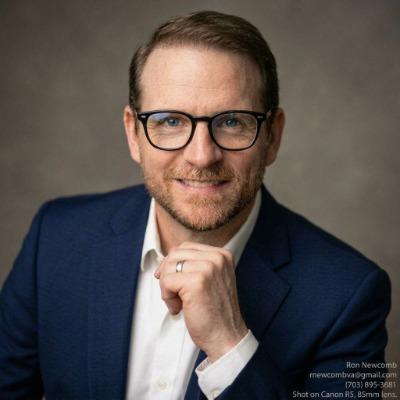
Ron is The Indie Coach! Coaching Moviemaking, Board Game Development and Writing!
Active 2h ago
Joined Apr 6, 2025
Virginia