Activity
Mon
Wed
Fri
Sun
Nov
Dec
Jan
Feb
Mar
Apr
May
Jun
Jul
Aug
Sep
What is this?
Less
More
Owned by Roger
Firefighter Career Connection A Clear Path to Getting Hired—and Building a Fire Service Career That Lasts
AI Marketing Insiders
2.1k
5.0
Free
Snack Distribution
63
$300
83 contributions to Firefighter Career Connection
Sep 2 •
What happens when your body says "no more interior" but your mind isn't done
Fire investigation is one of the most common landing spots for firefighters whose careers on the line are winding down — whether that's from age, injury, or just wanting a different chapter without leaving the fire service. You keep the credibility that comes from years on an engine, and you apply it to a job that's mentally demanding instead of physically demanding. It's not a consolation prize. Departments want investigators who've actually fought fire, because you can't fake knowing how a room really burns. If your knees or your back end your interior days before you're ready to hang it up completely, is investigation a path you'd consider?
1
0
Sep 1 •
The firefighters you never hear about because the fire never happened
ire inspectors walk buildings before there's a problem — checking sprinkler systems, exits, fire alarms, occupancy loads — and enforce the code that keeps those buildings from becoming the next call you'd otherwise be riding to. The role is built on Inspector I and II certification (historically NFPA 1031, now folded into the newer NFPA 1030 standard), and it's a legitimate specialization inside most fire departments, not a demotion or a desk-job downgrade. The schedule is different too — regular hours, no 2 a.m. structure fires, and a completely different kind of stress. For a lot of people, that trade is worth it. Would prevention work appeal to you, or do you need the fireground to feel like you're actually doing the job?
1
0
Aug 31 •
Recording of our first live call
I know it is a little rough but I hope this has some helpful advise and guidance for everyone. The bottom line is give me direction on where you want this group to go. Have a great week everyone!
2
0

1-10 of 83
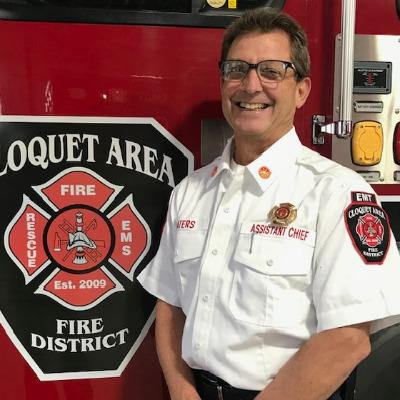
@roger-waters-1511
Hi I'm a retired career firefighter, I’ve held every rank from firefighter to Chief. My focus for this group is to help you have a successful career.
Active 23h ago
Joined Oct 3, 2025
Oklahoma