Activity
Mon
Wed
Fri
Sun
Oct
Nov
Dec
Jan
Feb
Mar
Apr
May
Jun
Jul
Aug
What is this?
Less
More
Digital Clarity Training
5.3k members • $17/month
DSWM AI Masters Academy
217 members • $7/month
Ai Fueled Profits: Live
4.2k members • Free
Growth Hub 365
12.6k members • Free
Your First $5k Club w/ARLAN
34k members • Free
Selling Online / Prime Mover
36.7k members • Free
7 contributions to DSWM AI Masters Academy

Jun 7 •
I’m still here Yall!! 💞🚀💥🫶🏽
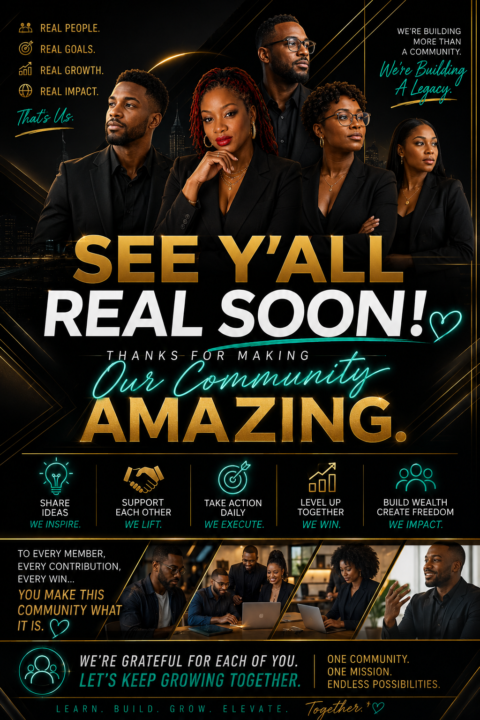
Great day AI Masters I miss y’all! I know I have been a little quiet, but I promise I am still here. I have been training, growing, learning, and sharpening everything so I can show up even better for y’all. I do not just want to teach AI. I want to make it simple, clear, powerful, and doable for every person in this community. More trainings, boot camps, and a brand-new masterclass are coming soon, and I cannot wait to pour into y’all. Stay close. Keep building. Keep learning. We are just getting started. Love y’all for real 💖

0 likes • Jun 15
Thank you @Danielle Shante Madlock, looking forward the classes. I've been working to get unstuck and I'm happy to say Progress is in the making.
Apr 9 •
Questions, Comments, Concerns? Wins to share? Lets chat....
💻✨ Midweek Check-In | AI Masters Academy Family ✨💻 Alright y’all… it’s HUMP DAYYY 😌💗And we just came off a whole summit… so I KNOW brains are full and ideas are flowing 👀 Let’s tap in like family real quick 👇🏽 ✔️ What questions do you have right now?✔️ What’s something you learned or tried this week?✔️ Where are you stuck? (no shame, we fixing it TODAY)✔️ What WIN can we celebrate with you?? 🎉 This is your safe space to talk, share, and get clarity 💻✨Don’t just scroll… DROP something in the comments. We building something powerful in here… and I wanna hear from ALL my people 💗 Let’s talk 🗣️👇🏽

2 likes • Apr 22
Greetings family, I created an AI compliance Avatar video for potential clients. Working on my client list this afternoon. Comments. What do you think could be done better? I used HeyGen, with the prompts from Chat.
2 likes • Apr 22
Sorry it only uploaded 29 seconds of 1:45, not sure why. I'm still learning how to upload to different platforms.
Apr 22 •
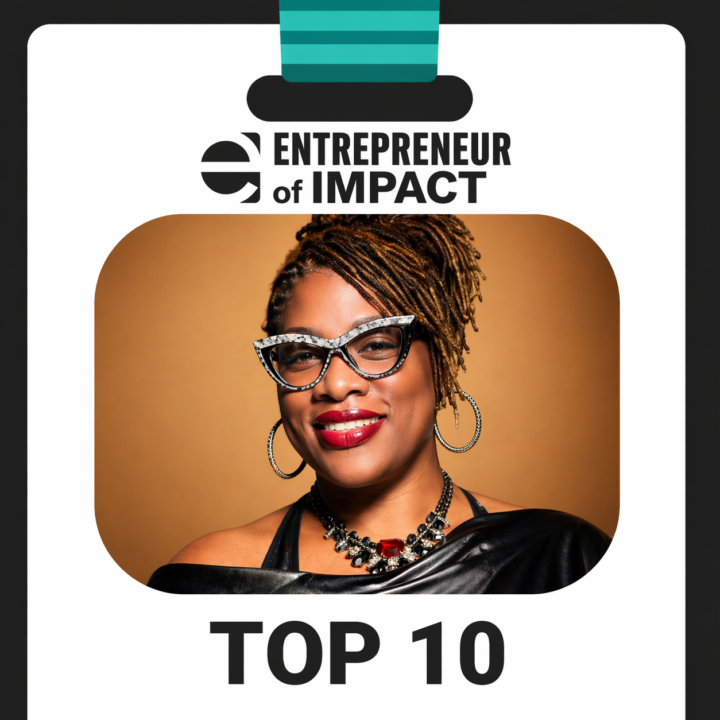
🚨 TEAM!! I NEED Y’ALL 🚨
We are at #8 right now and the TOP 5 cutoff is TOMORROW. BUT HERE’S THE PLAY 👇 🔥 TODAY VOTES ARE DOUBLED 🔥 This is a FULL SQUAD MOMENT. If you’ve ever said: “I’m rocking with you Danielle” “I’m proud of what you’re building” “I see the vision” 👉 THIS is where you SHOW IT. 1. Click the link http://entrepreneurofimpact.org/2026/danielle-shante-madlock 2. Vote 3. Drop “DONE” below so I can run through and show love 💖 We are NOT stopping at 8. We’re pushing TOP 5. PERIOD. Let’s move like a winning team 🚀
1 like • Apr 22
Done
Mar 12 •
Value Packed Courses
Danielle you have outdone yourself with what you have put in the courses to help us WIN. Love the Gamma Slides.
Feb 2 •
🎉 NEW FREE COURSE DROPPED: 10 Ways to Make Money in 24 Hours with AI
Great day lovelies 💛 I just added our FIRST official Skool course, and it’s a fast-action one. 👉 10 Ways to Make Money in 24 Hours with AI This is for: • Beginners • Entrepreneurs • Creators • Anyone ready to turn AI into income NOW Inside, you’ll get: ✔️ A free downloadable guide ✔️ 10 real ways to monetize AI quickly ✔️ Tools you can use today ✔️ A simple 24-hour execution mindset This is not theory. This is implementation. 📥 Start with Lesson 1 and download the guide 🎯 Pick ONE method and move today This is how we build income. This is how we build legacy. Danielle Shanté DSWM Enterprises 🖤

0 likes • Mar 12
Thank you very much @Danielle Shante Madlock. I'm not sure if it's just me but the link for the Lesson Two pdf isn't working, it doesn't pull up the document.
1 like • Mar 12
I apologize it does appear once I click on download. 🥰
1-7 of 7

@robin-mcnair-8136
We facilitate B2B connections and partnerships, we also consult with small legacy companies to see which AI tools are the best fit for the business.
Active 6d ago
Joined Mar 11, 2026