Activity
Mon
Wed
Fri
Sun
Nov
Dec
Jan
Feb
Mar
Apr
May
Jun
Jul
Aug
Sep
Oct
What is this?
Less
More
Owned by Rene
WYP community was developed to help facilitate people through the process on connecting their passions with the ability to grow and prosper.
Digital Growth Community
61.9k
Free
Real Men Real Style Community
13.6k
5.0
Free
Content into Clients
118
Free
Agency World
6.4k
$1
Creators
17.6k
Free
Agency Coach Community
5k
Free
"Mini Celebrity Status" Ads
3.7k
Free
Digital Scaling Community
644
Free
728 contributions to What's Your Passion
1d •
WEBINAR OCT 8,2026 12:15 PM - 30 MINUTES
30 MINUTES, $0 That’s all I’m asking you to invest. If you’re building a business, trying to grow one, sitting on an idea, or dealing with a problem you haven’t figured out yet, spend your lunch with me this Thursday. No travel. No cost. No two-hour presentation. Just 30 minutes on Zoom talking about what What’s Your Passion is, the people and resources behind it, and how we may be able to help you make your next move. Thursday, October 8 12:15 PM Live on Zoom FREE And if you can’t make it live, register anyway. We’ll send you the recording. You can keep trying to figure everything out by yourself… Or you can give me 30 minutes. Grab your free ticket: https://www.eventbrite.com/e/2002215096251?aff=oddtdtcreator
0
0

23d •
Join Our WYP Dispatch Newsletter Community
We’re building The WYP Dispatch around one simple idea: people helping people move forward. We want to share opportunities, business ideas, resources, inspiring stories, partnerships, and conversations that can actually help you on your journey. But we don’t just want subscribers—we want your voice. Tell us what you’re working on, what challenges you're facing, what resources you need, and how our community can help. Join us, invite someone who could benefit, and become part of what we're building together. 👉 Join The WYP Dispatch Newsletter https://www.thewypdispatchnewsletter.com/ What’s Your Passion? Let’s grow together.
0
0

24d •
When Memory Begins to Change, the Entire Family Feels It
It may begin with a missed appointment, a forgotten name, confusion about medications, or difficulty completing familiar tasks. Then the questions become harder: Is our loved one still safe at home? When should we consider memory care? How will we afford it? What happens to the family home? Who can help us make the right decisions? These conversations can bring fear, guilt, disagreement, and emotional exhaustion. Families are often forced to make major medical, housing, financial, and legal decisions while trying to protect the dignity of someone they love. You should not have to navigate this journey alone. As a Senior Transition Specialist, I can help your family understand the next steps, organize a transition plan, evaluate available resources, coordinate important conversations, and connect you with trusted professionals in senior living, memory care, healthcare, insurance, real estate, legal services, and financial planning. I am not here to replace those professionals or make medical decisions. My role is to help families know where to begin, ask the right questions, and bring the right people together. If your family is experiencing these challenges—or you know someone who is—let’s start the conversation before a crisis forces the decisions. What has been the greatest challenge your family has faced while caring for an aging loved one? You may comment below or message me privately. Sometimes the first step is simply knowing that someone is available to listen. — Rene’ Manfre 504-344-3317 Senior Transition Specialist Helping seniors and their families move forward with clarity, dignity, and a trusted plan. Looking for partnerships in areas that we can work referral partners. #SeniorTransition #MemoryCare #DementiaAwareness #AlzheimersAwareness #CaregiverSupport #AgingParents #SeniorLiving #FamilySupport
0
0

Aug 22 •
The Science Behind Your Ability To Reach Your Dreams
https://youtu.be/1B_7-eMU6PQ?is=VfFjqM4CiMbZSzj4
0
0
1-10 of 728
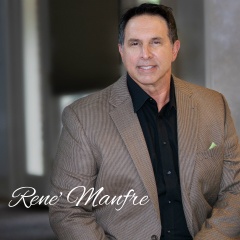
@rene-manfre-7129
I am Passionate about driving business growth. I'm a Certified Value Builder, Mergers and Acquisitions Specialist, and Commercial Finance Resource.
Active 1d ago
Joined Sep 29, 2024
ISTP