Activity
Mon
Wed
Fri
Sun
Aug
Sep
Oct
Nov
Dec
Jan
Feb
Mar
Apr
May
Jun
What is this?
Less
More
Memberships
The Herb Witch
352 members • Free
54 contributions to The Herb Witch


1 like • May 19
Ok and you i will make one today when I wakeup as it is 4:42 am and just going to bed.

Apr 2 •
Rosemary Protection
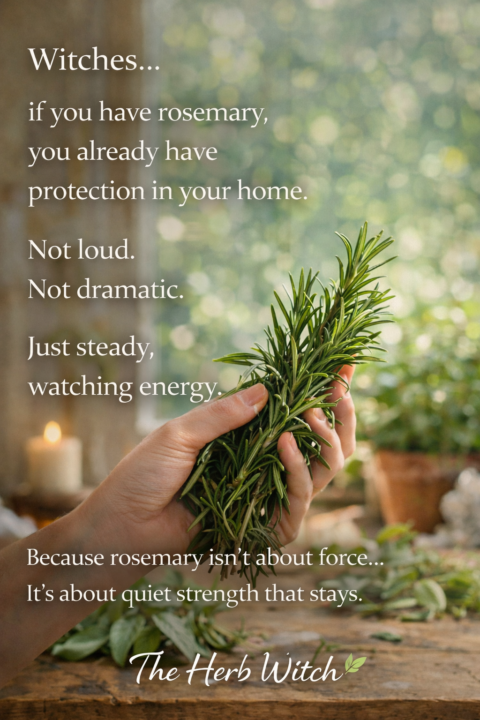
Witches… if you have rosemary, you already have protection in your home. Not loud. Not dramatic. Just steady, watching energy. Rosemary doesn’t rush. It doesn’t push. It simply holds the line. Place a small sprig: 👉 near your door 👉 by your stove 👉 or where you sit most Each time you pass it, touch it. Let it know: “I’m here. Keep this place steady.” That’s enough. You don’t need anything complicated. Because rosemary isn’t about force… It’s about quiet strength that stays. The Herb Witch 🌿
1 like • Apr 6
Thank you

Feb 1 •
Used tea leaves
I drink loose leave tea almost daily. I have an electric kettle with a tea infuser. I go through a lot of tea. Should I be doing anything with the leaves aside from throwing them away? I feel like I could be doing something with them.
3 likes • Feb 27
I use mine mixed with used coffee. Grounds that I dry.and use in spells. Also have some in my opps jar for good measure.
1 like • Mar 26
Your welcome
Mar 4 •
The Witch’s prosperity Plant
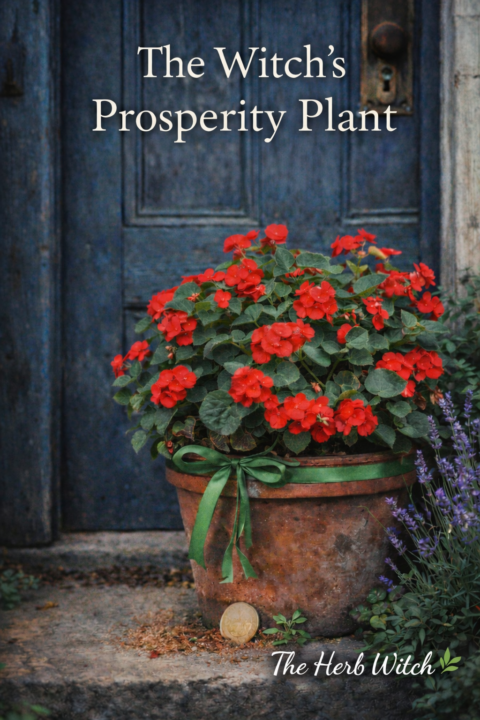
The Witch’s Prosperity Plant A simple prosperity working for your home Many garden witches believe that the red begonia at the doorway not only guards the home, it also draws prosperity toward it. Red carries the energy of life, movement, and attraction. When placed at the entrance of a home, it quietly calls abundance across the threshold. This working takes only a few minutes. What you need • A red begonia plant • A coin (any coin will do) • A small pinch of cinnamon or basil • A little green ribbon or thread Step 1 — Prepare the plant Place the begonia near your front door or porch where people enter. Witches have always placed prosperity plants near entrances because the doorway is where energy flows into a home. Step 2 — Feed the roots Take the coin and hold it in your hand for a moment. Think about money flowing toward you easily. Not struggle. Not chasing it. Just steady flow. Then press the coin gently into the soil near the roots. Sprinkle the cinnamon or basil over the soil. These herbs have long been used by herb witches to wake prosperity energy. Step 3 — Tie the charm Tie the green ribbon around the pot or one of the stems. Green represents growth and continuing flow. As you tie it, say: “Root below and bloom above, Call prosperity to the door I love. Steady coin and fortune grow, Through this home let abundance flow.” Step 4 — Keep it alive Water the plant regularly. Each time you do, remember that prosperity spells are like gardens. They grow when they are tended with attention. A thriving plant becomes a living charm at your doorway. Herb Witch's tip If the begonia blooms heavily, it is traditionally taken as a sign that prosperity energy is active around the home. Old herb witches would smile when they saw that. Because the plant was whispering: Money is on its way. The Herb Witch
1 like • Mar 26
Will get one as soon as I get my own home
Mar 2 •
Dill Charm for the Household
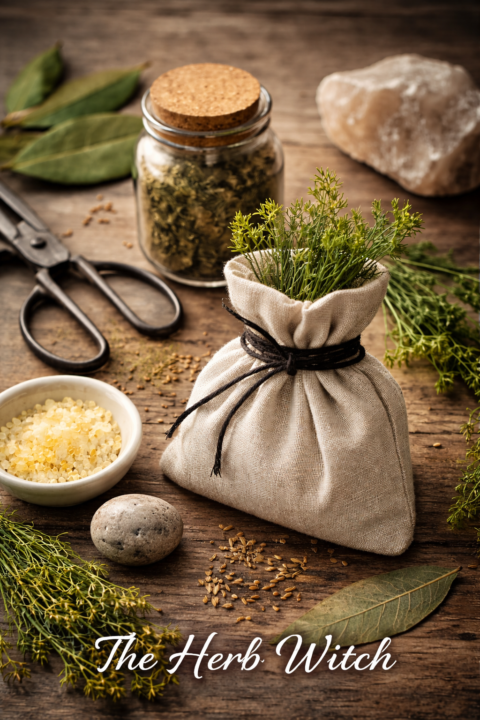
Dill Charm for Household Harmony This charm is for homes that feel off. Not cursed. Not dramatic. Just tense, loud, unsettled, or emotionally cluttered. Dill is used here to smooth friction, not erase personalities. It helps people coexist without everything turning into a thing. Use this when: Conversations turn sharp for no reason Everyone feels irritated or on edge The house feels restless, even when it’s quiet You want harmony without control This is not a dominance charm. This is a let’s all breathe charm. What you need Keep it humble. Dill works best that way. Dried dill A small jar or cloth pouch White, green, or black thread (if using cloth) Optional grounding addition a small stone a bay leaf a bit of salt (just a pinch) How to make it Choose a calm moment. This charm mirrors your state. Don’t rush it. Place the dill into the jar or cloth. Dill is the main worker here. Everything else is support. If adding a stone, bay leaf, or salt, add it now. Think stability, not strength. Close the jar or tie the pouch. As you do, say softly or internally: “Let this home settle. Let voices soften. Let peace live here without force.” Say it once. Dill doesn’t need chanting. Where to place it Choose a shared space: Kitchen Living room Near the front door On a shelf everyone passes Avoid bedrooms unless the tension lives there specifically. This charm works best when it’s part of the home, not hidden like a secret. How it works over time You may notice fewer sharp exchanges Conversations may feel easier The house may feel quieter, even when people are present This is subtle majick. That’s the point. If the charm feels “done,” refresh it. Dill leaves when its job is complete. When to refresh Once a month After major arguments When the house feels heavy again Dispose of old dill respectfully. Compost or earth is ideal. Herb Witch Truth Harmony is not silence. Harmony is space to exist without friction. Dill doesn’t make people obedient. It makes the environment supportive.
2 likes • Mar 26
Than you.
1-10 of 54

Active 2d ago
Joined Jan 16, 2026
East Coast USA