Activity
Mon
Wed
Fri
Sun
Dec
Jan
Feb
Mar
Apr
May
Jun
Jul
Aug
Sep
Oct
Nov
What is this?
Less
More
Claude Masterclass
736
5.0
$35/m
The Story House
46
Free
Business Kickstart ❤️🔥
157
Free
Imperium Academy™
84.3k
5.0
Free
AI Content Creation Community
5.7k
5.0
Free
Agentur Community (DACH)
5.2k
Free
KI-CHAMPIONS Community
13.9k
Free
Die KI-BUSINESS Lounge ...
4.6k
Free
7 contributions to Die KI-BUSINESS Lounge ...

Oct '24 •
Mit dem chatGPT Meta Prompt zu besseren Ergebnissen 🤔
OpenAI hat seinen sogenannten Meta-Prompt öffentlich gemacht, der die Erstellung und Verbesserung von Prompts für Sprachmodelle erleichtern soll. Das Unternehmen verspricht damit eine Zeitersparnis bei der Entwicklung hochwertiger KI-Anweisungen. Der von OpenAI entwickelte Meta-Prompt folgt einer klaren Struktur: Er beginnt mit einer prägnanten Anweisung zur Aufgabenbeschreibung, gefolgt von zusätzlichen Details und optionalen Abschnitten für detaillierte Schritte, Ausgabeformat, Beispiele und Anmerkungen. —— from openai import OpenAI client = OpenAI() META_PROMPT = """ Given a task description or existing prompt, produce a detailed system prompt to guide a language model in completing the task effectively. # Guidelines - Understand the Task: Grasp the main objective, goals, requirements, constraints, and expected output. - Minimal Changes: If an existing prompt is provided, improve it only if it's simple. For complex prompts, enhance clarity and add missing elements without altering the original structure. - Reasoning Before Conclusions**: Encourage reasoning steps before any conclusions are reached. ATTENTION! If the user provides examples where the reasoning happens afterward, REVERSE the order! NEVER START EXAMPLES WITH CONCLUSIONS! - Reasoning Order: Call out reasoning portions of the prompt and conclusion parts (specific fields by name). For each, determine the ORDER in which this is done, and whether it needs to be reversed. - Conclusion, classifications, or results should ALWAYS appear last. - Examples: Include high-quality examples if helpful, using placeholders [in brackets] for complex elements. - What kinds of examples may need to be included, how many, and whether they are complex enough to benefit from placeholders. - Clarity and Conciseness: Use clear, specific language. Avoid unnecessary instructions or bland statements. - Formatting: Use markdown features for readability. DO NOT USE ``` CODE BLOCKS UNLESS SPECIFICALLY REQUESTED. - Preserve User Content: If the input task or prompt includes extensive guidelines or examples, preserve them entirely, or as closely as possible. If they are vague, consider breaking down into sub-steps. Keep any details, guidelines, examples, variables, or placeholders provided by the user.

1 like • Oct '24
@Wolfgang Kaufmann Das ist ein guter Ansatz, muss ich mir merken. 👍
0 likes • Oct '24
Danke, Danke Torsten, das probier ich mal aus. 👍
Sep '24 •
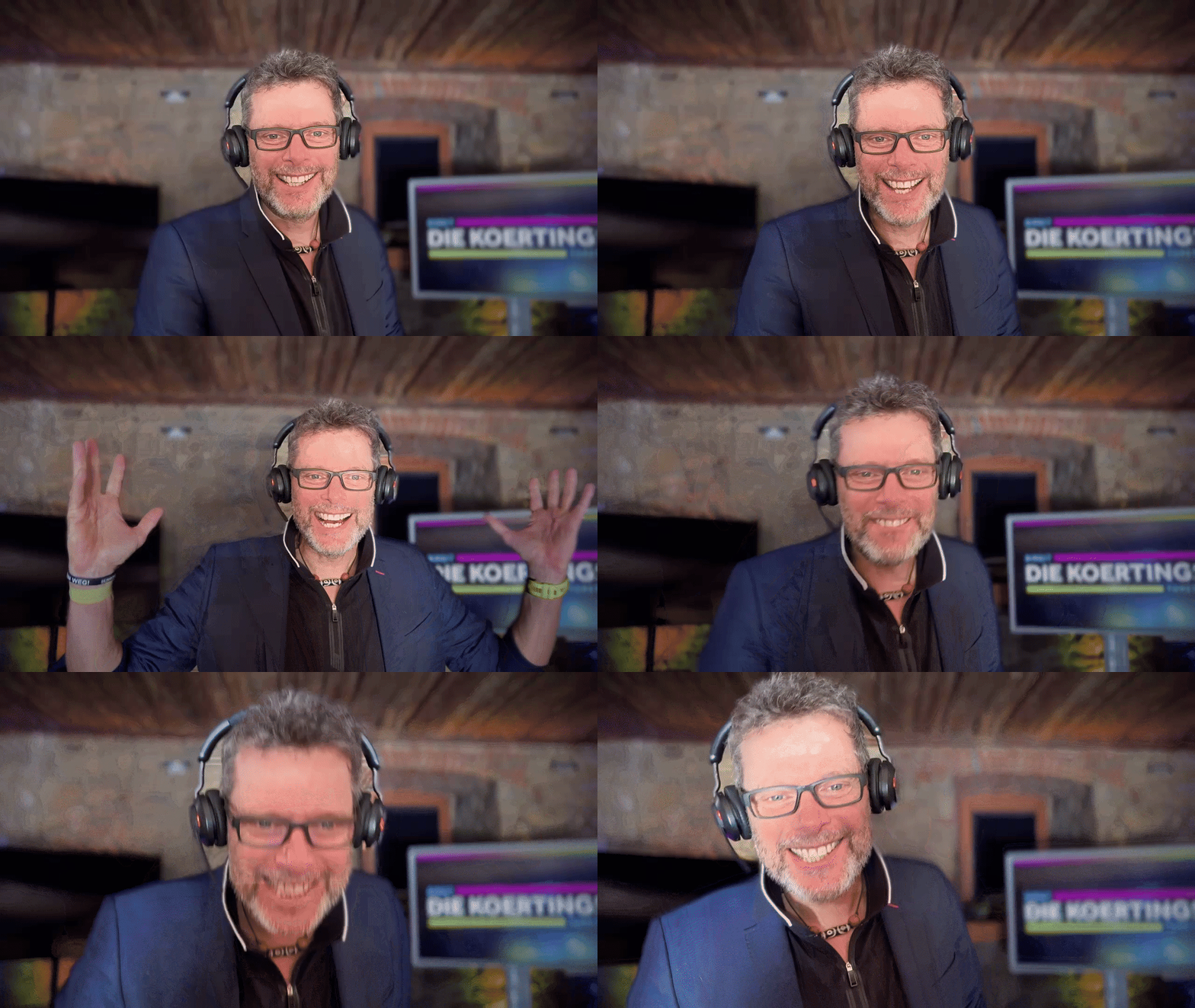
🚀 UNFASSBAR ... was war das für ein KI-Café ... 4 Anwendungsfälle
Heute morgen KI-Café ... 200 Teilnehmer ... hier meine Reflexion ... was hast du mitgenommen?
0 likes • Sep '24
Hört sich spannend an und neu. Ich muss mir die Aufzeichnung anschauen, denn heute Morgen konnte ich nicht dabei sein.

Sep '24 •
Danke & kurze Vorstellung... 😃
Hey... Ich bin Marcel, 46 Jahre, geboren in Winterberg im Sauerland – jetzt aber auch in Haltern am See. Beruflich trage ich zwei Hüte: - Selbstständig seit 2002: IT, Marketing und bald certified AI Trainer. - Außerdem darf ich seit 2022 in einer spannenden Führungsrolle in einer globalen TelCo arbeiten. Außerhalb dieser Rolle helfe ich Kleinunternehmern Ü35-40, durch den gezielten Einsatz von KI und modernen Marketingstrategien, ihr Business zukunftssicher aufzustellen. Mein Fokus liegt darauf, Klarheit zu schaffen, Prozesse zu automatisieren, Kunden zu begeistern und mehr Zeit für das Wesentliche zu gewinnen. Ich bin hier, weil mich Torsten im AI Trainerkurs förmlich beeindruckt hat, ich weitere Impulse mitnehmen möchte – und vor allem, Teil dieser Energie zu sein 🙌 Gerne auf LinkedIn vernetzen: https://www.linkedin.com/in/marcel-koch-314293bb/ Nochmal danke - freue mich euch kennenzulernen...
1 like • Sep '24
Hallo Marcel, ich glaub wir sind im gleichen Kurs. 😉
Sep '24 •
Ganz schön was los hier ... wie ist euer erster Eindruck
Hey ... nachdem wir gestern auf 'Senden' gedrückt haben ... ist hier ganz schön was passiert. Wie Mike Emenako immer zu sagen pflegt "Du darfst vorbereitet sein" ... waren wir das ... Jaein ... und wir kommen kaum hinter her. Wie ist euer erster Eindruck ? Was ist anzumerken ? Wünsche? Haut mal in die Tasten ... ich bin gespannt. Danke für euer aller Vertrauen Torsten
3 likes • Sep '24
Ich finde diese Plattform genial. Ich freue mich immer wieder Neues entdecken zu dürfen um mich im KI Thema weiter zu entwickeln. Gleichgesinnte hier zu treffen ist fantastisch. Dann mag ich total deine positive Energie Torsten. Sie baut mich auf und gibt mir Kraft. Dann deine Themen. Sie sind spannend, lehrreich und informativ. Kurz gesagt, großartig. 😉

Sep '24 •
Inspiration und lebenslanges Lernen
Hallo, ich bin Ingrid und kenne Torsten aus meiner Weiterbildung bei AITI Trainings Institute. Damit bin ich voll in die KI-Welt eingetaucht (und bisher auch noch nicht wieder aufgetaucht). Ich bin eine erfahrene Führungskraft im Bereich Marketing und Kommunikation mit Leidenschaft für KI/AI und Automatisierung. Ich unterstütze Unternehmen dabei, ihre Marketingstrategien zu optimieren und effektive Produkt-, Kommunikations- und Markenstrategien umzusetzen, um ihre Marktpräsenz zu stärken. Mein Fokus liegt auf der strategischen und operativen Umsetzung von Kommunikations- und Kampagnenstrategien, der Integration von Social Media sowie dem Einsatz moderner Marketingautomatisierungstools. Und jetzt auch von KI. Denn ganz klar: KI ist gekommen um zu bleiben! Besonders wichtig ist mir die Effizienzsteigerung und Prozessoptimierung, unterstützt durch mein Wissen in KI-Technologien. So ermögliche ich meinen Kunden, sich auf ihre kreativen und strategischen Aufgaben zu konzentrieren. Ich bin hier um immer wieder Neues dazu zu lernen und diesen spannenden Weg weiterzugehen. Und ich freue mich über jede Vernetzung: https://www.linkedin.com/in/ingridjasperbrinkmann/ Viele Grüße aus München, Ingrid
1 like • Sep '24
Hallo Ingrid, schön, dass wir auch außerhalb vom AI Training uns hier begegnen können. :)
1-7 of 7

@petra-weicker-3016
Ich bin Petra Weicker, Brand Design & Videograf
Active 3h ago
Joined Sep 9, 2024
Wien
Powered by