Activity
Mon
Wed
Fri
Sun
Nov
Dec
Jan
Feb
Mar
Apr
May
Jun
Jul
Aug
Sep
What is this?
Less
More
Owned by Dr. Peninah
Helping people optimize health, energy, mindset, and wellness by addressing root causes through Functional, Nutritional and Holistic Medicine.
Understand your pet through physiology. Learn the gut - immune - neuro patterns that shape behavior, mood, and resilience long before symptoms appear.
Ask Lynne's Health Exchange
110
5.0
Free
The Creative Jukebox
114
Free
Fans of NFL Football
62
Free
Digital Seller's Den
1.2k
5.0
Free
Heal the Heart
65
Free
🎙️Skool Summit Stage🎙️
1.4k
5.0
Free
Moving Beyond Words
22
Free
Olympus Academy
140
Free
303 contributions to Skool Network 💲💰📈💰💲

19d •
SIMCHA HEALTH DIGEST - SEPTEMBER 2026 - ISSUE 3
Your Health. Your Life. Your Legacy. The newest issue of Simcha Health Digest is here! This 26 page issue is packed with practical health education, current research, nutrition information, and strategies you can actually use in everyday life. Inside this issue: Inflammation: The Hidden Trigger What inflammation is, why it matters, and what you can do to support your body. Magnesium: The Master Mineral Why this essential mineral matters for your heart, brain, muscles, mood, and more. The Gut Brain Connection Discover the fascinating conversation happening between your gut and your brain. High Blood Pressure Understanding this common chronic health concern and why it deserves attention. CoQ10 A closer look at this important nutrient and its role in cellular energy and heart health. Research Spotlight: Urolithin A Explore emerging research into this fascinating compound, the microbiome, mitochondria, brain health, memory, and healthy aging. This issue is designed to educate, empower, and elevate through meaningful information rather than quick fixes and empty promises. 26 pages. One publication. A whole lot of health knowledge. A portion of every $10 purchased magazine goes to K9 Spike's Fund. Please note that FlipHTML5 requires readers to create a FREE FlipHTML5 account before purchasing and viewing the magazine. It only takes a minute, and there is no cost to create the account. It's just like creating an account anywhere else that you shop. Purchase here: https://online.fliphtml5.com/myiwa/health-september-2026/ Don't forget the other two September magazines: Simcha Pet Physiology Digest: https://online.fliphtml5.com/myiwa/petseptember2026issue3/ BOOMERS The Next Chapter: https://online.fliphtml5.com/myiwa/boomers-september-2026/
0
0

Aug 24 •
SEPTEMBER’S SIMCHA PET PHYSIOLOGY DIGEST IS HERE! ❤️
Our September 2026 Issue 3 is officially out! And this issue is extra special because we're spotlighting Jackie, the eagle that captured the heart of the world, and we're shining the spotlight on one of Skool's own! SKOOL COMMUNITY OF THE MONTH: EMPOWERING ANIMALS Founded by LM Sharron, a longtime animal advocate whose life has been devoted to helping animals and connecting people with the organizations working to help them. Also PET OF THE MONTH: MONKEE (Mama's Monkee Meow) And there's an even more special connection. LM Sharron is also Monkee's mama! So this month, we're celebrating both the community and the woman behind it, along with the very special cat who stole her heart. Inside the September issue you'll also find: - The special tribute to Jackie. The Eagle That Stole The Heart Of The World. - Labor Day Tribute To Working & Service Animals - Herbal & Botanical Solutions For Pets - Sleep, Restorative Health & Senior Pet Care - The Season Of Fall Pet Safety - Professor C. Nugget's Labor Day Special - Professor C. Nugget's Kid's Lab - August 28th Is Rainbow Bridge Remembrance Day - and more This magazine is about more than pets. It's about education, connection, compassion, the people who advocate for animals, and the communities that bring those people together. Come celebrate the life of Jackie, LM Sharron's Empowering Animals, and Mama's Monkee Meow with us! A portion of every $10 purchased magazine goes to K9 Spike's Fund. Please note that FlipHTML5 requires readers to create a FREE FlipHTML5 account before purchasing and viewing the magazine. It only takes a minute, and there is no cost to create the account. It's just like creating an account anywhere else that you shop. Purchase Here: https://online.fliphtml5.com/myiwa/petseptember2026issue3/ And join us here: https://www.skool.com/simcha-hub-of-pet-physiology-5304/about
1
0

Aug 20 •
IT'S OFFICIAL - THE SEPTEMBER BOOMERS ISSUE IS LIVE!
BOOMERS: THE NEXT CHAPTER - SEPTEMBER 2026 🇺🇸 Labor Day Special: The Generation That Built America It’s published and ready to read! This issue is packed with real stories, memories, health and wellness, family, relationships, travel, technology, community resources, money matters, and plenty of those “Do you remember?” moments. Our Boomer Spotlight is Kim Parks, whose incredible story takes us through infertility, raising miracle triplets, family, love, loss, and finding her next chapter. This isn't just a magazine about getting older. It's about living well, loving life, remembering where we've been, and looking forward to where we're going. 26 pages. One incredible generation. And there's another reason to pick up this issue. A portion of every $10 purchase will be donated to K9 Spike's Fund, helping support a cause that is very close to my heart. Please note that FlipHTML5 requires readers to create a FREE FlipHTML5 account before purchasing and viewing the magazine. It only takes a minute, and there is no cost to create the account. It's just like creating an account anywhere else you purchase things. There's nothing tecnically difficult to buy and read the magazine. Purchase Here: https://online.fliphtml5.com/myiwa/boomers-september-2026/ So when you purchase the magazine, you're not only supporting Boomers: The Next Chapter, you're helping support K9 Spike's Fund, too. $10 * 26 pages * Real stories * Real people * Real life * A little giving back If you're a Boomer, love a Boomer, work with Boomers, or simply appreciate the generation that helped shape the world we live in, this issue is for you. Boomers: The Next Chapter - September 2026 is officially LIVE! Read it. Share it. Enjoy it. And help us give back. Also, you'll find over 90 stores in my store. Click the link below. A lot of great deals at the end of the links. https://rppvky-yz.myshopify.com/
1
0

Aug 19 •
TODAY'S NUGGET: OUR LABOR DAY PET ISSUE IS COMING!
The September issue of Simcha Pet Physiology Digest is officially taking shape, and this is our Labor Day Issue! ❤️ In this issue I'm Remembering Jackie: A Life That Touched Millions This month, I'm also celebrating the animals who work, serve, protect, comfort, and stand beside us, and the people who dedicate their lives to them. Plus, meet our September Pet of the Month, Monkee, and discover LM Sharron's wonderful 'Empowering Animals' Skool community. Ms. Sharron is also the pet parent of Monkee! You will also find in this issue - Heroes on Each End of the Leash - Working Paws - Fall Pet Safety - Brain & Behavior - Joint Health & Mobility - Herbal & Botanical Solutions - Sleep & Restorative Health - Senior Pet Care - Professor C. Nugget's Kids Lab - And, of course, Professor C. Nugget's Labor Day Special! And that's just the beginning. 😉 September 2026 • Issue 3 🇺🇸 Our Labor Day Issue. Fly high, Jackie!! https://www.skool.com/simcha-hub-of-pet-physiology-5304/abo
1
0

Aug 18 •
TODAY'S NUGGET: DO YOU REMEMBER?
The September issue of 'BOOMERS The Next Chapter' is finished and will be published this week. Here's a sneak peek! Remember when back-to-school shopping meant going to town for a new pair of school shoes? When schoolbooks were covered with paper grocery bags? When a brand-new box of crayons felt like the greatest thing in the world? When Mom took that first-day-of-school picture whether you wanted her to or not? 😂 Those weren't just ordinary moments. They were our memories. They were part of who we were and who we became. And that's just one of the stories we're bringing you in the September Labor Day Special Issue of Boomers: The Next Chapter. THE GENERATION THAT BUILT AMERICA DO YOU REMEMBER? - Back-to-School Memories 1946 - The year the Baby Boom began BOOMER SPOTLIGHT - Kim Parks, 62, Mother of Triplets …and so much more. Now it's your turn... What is YOUR favorite back-to-school memory? Tell us below. You might just remind someone else of a memory they haven't thought about in years. Boomers: The Next Chapter Living Well. Loving Life. Leaving a Legacy. https://www.skool.com/simcha-healthcare-3222/about https://www.skool.com/simcha-hub-of-pet-physiology-5304/about https://rppvky-yz.myshopify.com/
1
0

1-10 of 303
@peninah-wood-2002
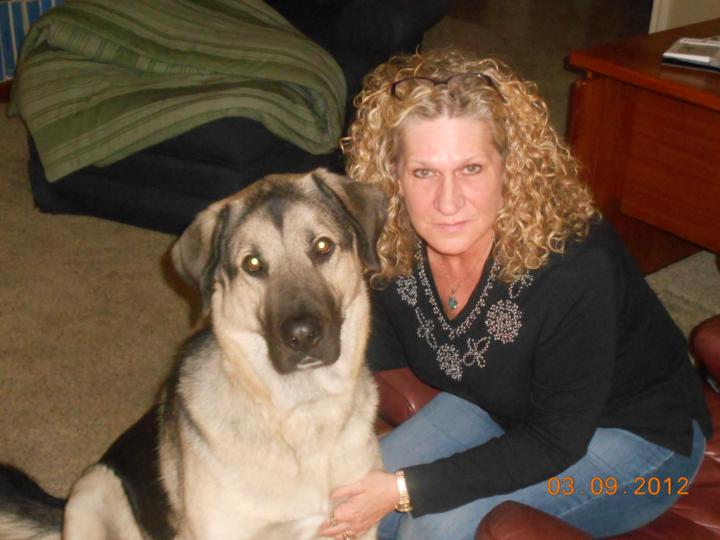
Dr. Peninah Wood, Ph.D, is the founder and CEO of Simcha Healthcare. She has a Doctorate in Functional, Nutritional, and Holistic Medicine.
Online now
Joined Jan 12, 2026
Kentucky