Activity
Mon
Wed
Fri
Sun
Jul
Aug
Sep
Oct
Nov
Dec
Jan
Feb
Mar
Apr
May
What is this?
Less
More
Owned by Patrick
Helping believers and wounded leaders heal, grow, and abide in Christ through Scripture, community, and encouragement.
Memberships
Skoolers
183.8k members • Free
34 contributions to Overflow Life Collective

Feb 26 •
Between the Promise and the Return
Between the Promise and the Return “It is not for you to know times or seasons…” (Acts 1:7) “Men of Galilee, why do you stand looking into heaven?” (Acts 1:11) The disciples stood there staring into the sky, watching Jesus disappear. I imagine they were overwhelmed, hopeful, confused, maybe even a little stunned. And Jesus had already told them something we still struggle to accept: the timing belongs to the Father. We want to know when. When will God move? When will things turn? When will redemption feel closer than disappointment? But heaven’s calendar is not ours to manage. And then the angels gently redirect them: Why are you just standing there? In other words, don’t let hope become passivity. Yes, he is coming back. That is certain. But until then, we are called to pray, to witness, to love, to serve. We look up in hope. Then we step forward in obedience. We don’t control the seasons. We live faithfully within them.
Feb 21 •
When the Spirit Knows What We Need
This morning, Christy and I are walking through some disappointment. Plans didn’t unfold the way we hoped. Expectations met reality. And in moments like that, it’s easy to lower your head and let discouragement set the tone for the day. That’s why Luke 21:28 felt especially personal this morning in my reading: “Now when these things begin to take place, straighten up and raise your heads, because your redemption is drawing near.” Jesus spoke those words in unsettling times. Instead of telling His followers to panic or withdraw, He spoke about posture. “Straighten up.” “Raise your heads.” When things feel unstable or simply disappointing, our instinct is to hunch over in discouragement. But Jesus calls us to stand differently, to live with expectancy instead of anxiety. Redemption is not just something we look back on at the cross. It is something we look forward to in fullness. There is a day coming when everything fractured will be made whole. So today, we lift our heads not because everything is resolved, but because our Redeemer is near.
1
0
Feb 19 •
Forgiveness Is Our Duty, Not Our Mood
Forgiveness Is Our Duty, Not Our Mood I’ve struggled with the connection between Luke 17:10 and forgiveness. “So you also, when you have done all that you were commanded, say, ‘We are unworthy servants; we have only done what was our duty.’” Jesus had just commanded repeated forgiveness. Then he reminds his disciples that servants simply do their duty. That’s striking. Servants of a king obey regardless of how they feel. They don’t check their emotions before they respond. They act because they belong to the King. Forgiveness works the same way. We don’t forgive when it feels right. We forgive because it is right. We forgive because it is obedience. Feelings may follow later. But obedience comes first.
0
0
Feb 18 •
Thinking Beyond the Temporary
I join several men from around the country every day on an online Bible study. We are currently working through the Gospel of Luke. This morning I’ve been wrestling with Luke 16:9: “Make friends for yourselves by means of unrighteous wealth, so that when it fails they may receive you into the eternal dwellings.” There is something unsettling about the parable in which this verse is found. Jesus points to a worldly manager who was strategic about his future, even if his motives were flawed. He understood something simple: prepare now for what’s coming. The world is often more strategic about temporary security than believers are about eternal impact. We plan for retirement. We build savings. We insure our homes. We diversify portfolios. We think ahead. But how intentional are we about eternity? How strategic are we about using our resources, influence, time, and opportunities to impact souls? Money will fail. Markets will shift. Positions will disappear. Systems will crumble. But people endure forever. Jesus is not telling us to be dishonest. He is telling us to be wise. If the world can plan aggressively for what won’t last, shouldn’t we plan even more intentionally for what will? Maybe the question isn’t how much we give. Maybe it’s this: Are we as serious about eternal impact as we are about temporary security? That’s been sitting heavy on me. What are your thoughts?
0
0
Feb 17 •
Because sometimes the holiest thing you can do is interrupt the system for the sake of love.
I love this question, Jesus asks: “Is it lawful to heal on the Sabbath, or not?” (Luke 14:3) It sounds like a legal question. It isn’t. It’s a heart question. The religious leaders had built careful systems to protect the Sabbath. The rules were clear. The boundaries were defined. Everything had its place. And then Jesus placed a hurting man in the center of the room. Suddenly, the question wasn’t theoretical anymore. What matters more: protecting the system or restoring the person? The Sabbath was a gift from God. But it was given to people. Tithes were given to honor God. But they were meant to fuel mercy. Structures exist for order and faithfulness. But they were never meant to outweigh compassion. When religion begins protecting itself more than it protects people, something sacred has shifted. Jesus did not abolish the Sabbath. He fulfilled its purpose. He healed. And the room went quiet. Maybe the better question for us today is not, “What am I allowed to do?” But, “Where is mercy needed right in front of me?” Because sometimes the holiest thing you can do is interrupt the system for the sake of love.
1
0
1-10 of 34
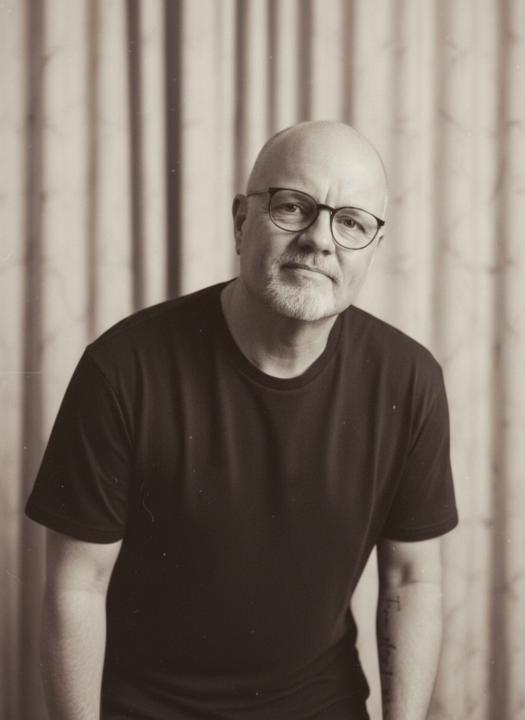
@patrick-mead-2686
Pastor and author helping people and wounded leaders find healing, renewal, and deeper life in Christ through Overflow Life Collective.
Active 94d ago
Joined Jan 24, 2026
Benton, AR