Activity
Mon
Wed
Fri
Sun
Sep
Oct
Nov
Dec
Jan
Feb
Mar
Apr
May
Jun
Jul
Aug
What is this?
Less
More
Total Goalkeeping
7.8k members • Free
54 contributions to Total Goalkeeping

18h •
Introduce yourself!
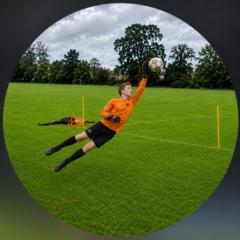
I have been a member for a while but haven't really posted until recently so thought I reintroduce myself. I'm Max from Bridgend in South Wales, I'm 13 years old (14 in January) I've been playing as a GK for 3.5 years. I have just finished my second year playing in the Welsh - FAW National Academy and looking forward to my third season as we now will play 11v11 with full size pitch and goals. My goal is to keep improving and become a professional goalkeeper.

4 likes • 10h
welcome max have a great season
4d •
first pre season match
my first match was monday no clips sadly but we won 10-5 in the derby! did any of you have a pre season friendly?
4 likes • 5d
@José Carlos Cimorra thank you
4 likes • 5d
@Michael Ford thank you
11d •
NEW GLOVES
Today i got some new gloves elite xtn hybrid roll finger + negative cut looking forward to using them in my games this season! anyone else got new gloves for the season?

3 likes • 11d
@Xavier Stark yeah these are gonna be my match gloves and the england ones my training
2 likes • 11d
@Xavier Stark good to know
1-10 of 54
@olly-clements-5225
Gk of 5 years 25/26 season 8 clean sheets in 22 games. Sponsored gk
Active 10h ago
Joined Jul 1, 2026
Powered by