Activity
Mon
Wed
Fri
Sun
Aug
Sep
Oct
Nov
Dec
Jan
Feb
Mar
Apr
May
Jun
Jul
What is this?
Less
More
Owned by Olivia
Helping pet parents, vet professionals and vet students provide better care for birds and exotic pets through practical, vet-led education.
Memberships
Public Skool
679 members • Free
AI Automation Society
426.1k members • Free
Synthesizer: Free Skool Growth
44.6k members • Free
Skoolers
164.4k members • Free
26 contributions to Exotic Pet Education Platform
Jun 14 •
🐰 NEW FREE RESOURCE DROPPED 🩺
One of the most common things I get asked by vets and vet students is: “How do I actually perform a rabbit physical exam confidently?” So I’ve created a FREE Step-by-Step Rabbit Physical Exam Guide to help you feel more confident approaching rabbit consults and developing a systematic exam routine 🐇 Inside the guide: ✔️ Rabbit handling & restraint tips ✔️ Exam order and technique ✔️ What’s normal vs abnormal ✔️ Common findings to look out for ✔️ Practical exotics vet tips you can apply immediately Whether you’re a new grad or seasoned vet, a vet student, nurse/tech, or just wanting to improve your rabbit medicine skills this resource is for you 🙌 Grab the FREE guide here ⬇️ Rabbit Physical Exam Template Feel free to comment below with: 🐰 what species/resources you’d like next 🩺 any rabbit exam questions you have 📚 or your biggest challenge/s with exotics consults 👇
0 likes • 24d
@Amber Bradley would love to hear how you find it!
Feb 9 •
Welcome to The Exotic Pet Education Platform
Hello and welcome! I’m so glad you’re here. I’m Olivia or Liv, an avian and exotics veterinarian and educator, and I created this space not just because of my passion for birds and exotic pets but because birds and exotic pets are too often overlooked, misunderstood and I know just how hard it can be to find reliable, trustworthy information on caring for them. This community is for pet parents of birds and exotic pets, as well as veterinary professionals, vet students, vet nurses, vet techs and anyone who works with or care about these incredible non-traditional animals. My goal is simple: to make high-quality, practical, evidence-based exotics education accessible and fun! I want you to feel empowered and to love learning from me. Whether you’re caring for a rabbit at home, nursing a bird in hospital, or building confidence with birds and exotics in practice. ✨ Inside this community you’ll find: - Free husbandry guides - Courses, e-books, and webinars (with more coming soon) - Ongoing education and discussion - A safe space to ask questions and learn I am only just getting started and have so many exciting resources that I am working on that I will be launching in the coming months! But for now this platform is still growing, and as an early member, you’ll help shape what’s created next! 👇 To get started, please introduce yourself: - What species do you care for or work with? - Are you a pet parent, vet, vet nurse, vet, student, or other animal professional? - What would you most love to learn about? Thanks for being here. I’m so excited to learn and build this community with you. Liv ❤️ 🐇🐁🐍🦎🐀🐢🦜

0 likes • Jun 4
@Teresa Jones Hi Teresa! Thanks for being here and congratulations on your new family members. Bunnies make amazing pets! I’d definitely recommend checking out my Rabbit ownership course or Rabbit ownership e book to learn all the fundamentals of caring for rabbits including diet, housing, health care and much more! I also have the Rabbit care guide which covers all the basics. Reach out if you need any guidance! I’m always happy to help :)
1 like • Jun 4
@Rebekah Petts Hi Rebekah thanks for joining! And wow all your birds are gorgeous!! One of my most popular resources is the Complete avian care guidebook which is a comprehensive guide to caring for parrots and other bird species with breakdowns on diet, housing, enrichment, common health problems, preventative care and recommended products and brands. Reach out if you need anything. Great to have you here!
May 16 •
Neutering
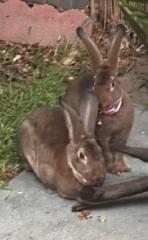
Hi im a new bunny mom of 2 New Zealand 5 month old rabbits they are getting neutered 1 on Monday and 1 Tuesday they were litter mates and very bonded any advice on how to handle tier recovery
1 like • May 20
Hi Ginger! I’m so sorry I missed this. How are the buns recovering! Definitely keeping them together and avoid separating them at all unless absolutely necessary (assuming they are the same sex? If male + female you will need to keep them apart for three weeks but I’d ensure they stay side by side). Housing in a play pen or crate works well for a couple of weeks and limit and high energy or jumping activity. Keep the area clean and dry and monitor appetite, energy levels and toileting behaviour. Let me know how it goes!
May 19 •
If Exotics Emergencies Make You Nervous, I Have Something To Help… 20% OFF 1 Week Only
Something I hear all the time from vets, vet nurses, techs and students is that avian and exotics emergencies TERRIFY them And honestly, that fear is valid. Birds and exotics: - Are masters of hiding pain and illness - They often present when disease is advanced - Signs are non specific - They are fragile and decompensated fast - - Not to mention the vet training curriculum currently does not provide extensive coverage of birds and exotic species, leaving many feeling undertrained and unprepared Some of the biggest fears I hear are: “I’m scared I’ll miss something subtle” “I don’t feel confident handling them”“I don’t know what normal vitals are”“Avian and exotics anaesthesia terrifies me”“What if I make it worse?” If you’ve ever felt your heart race when an exotic emergency walks through the door — you are not alone. But here’s the truth: Confidence in exotic emergencies is possible and it’s achieved with structured education and training. You need a framework to teach you: - Species specific physiology - Triage protocols and clear stabilisation priorities - Safe handling, normal vitals and what to focus on physical exam - How to perform life saving clinical techniques such as IV catheterisation, fluid therapy and emergency drug calculations - Utilising the right diagnostics and carrying them out safely in an emergency situation - Hospitalisation and supportive care That’s exactly why I created Nursing the Critical Exotic Patient inside this community. https://www.skool.com/exotic-pet-education-platform-9090/classroom/45739d01 It’s designed to help you: ✔ Approach avian and exotics emergencies with structure and confidence ✔ Triage, stabilise, perform diagnostic tests and administer life saving treatments in hospital ✔ Recognise and address critical emergencies early✔ Feel prepared instead of overwhelmed This course is real-world, clinic-relevant, immediately applicable training.
0
0
May 14 •
Where do you feel least confident with exotic patients? 🩺
Vets, vet nurses and techs and others working in the veterinary space - What's your biggest challenge or fear when it comes to working with birds and exotics? Is it: Knowing normal vitals? Handling and restraint? Emergency stabilisation? Clinical techniques? Equipment setup? All of the above?! Or something else? I'd love to know and help you to grow your knowledge and build your confidence! Comment yours below 👇
0 likes • May 17
@Neha B very common! You’re not alone!
1-10 of 26
@olivia-clarke-5664
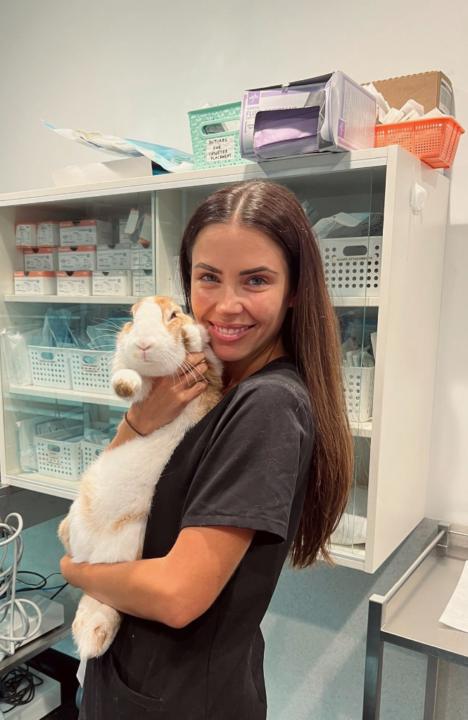
Avian and Exotics vet and educator with 18 years experience working in the veterinary industry. Guides and Courses for pet parents, vets and nurses.
Active 5d ago
Joined Jan 11, 2026
ENTP
Sydney