Activity
Mon
Wed
Fri
Sun
Aug
Sep
Oct
Nov
Dec
Jan
Feb
Mar
Apr
May
Jun
Jul
What is this?
Less
More
Owned by Ola
Practical lessons + kind photography critiques to help you pose families fast, shoot with confidence, and deliver consistent, beautiful galleries.
Memberships
Photography Community
4.1k members • Free
Pocket Singers Free
18.6k members • Free
From Snapshots to Stories
320 members • Free
The Tao of Film
19 members • Free
Charmed Floral Community
99 members • Free
The Raw Course Launch Lab
609 members • Free
Photography
586 members • Free
26 contributions to Family Photography Lab
3d •
🚨 We're going live!
Join me Friday, July 24 at 7:00 PM (EST) for our next live session! You can see the meeting information in the Calendar tab in our skool community. We'll be doing an Ask Me Anything where you can bring your questions about photography, editing, business, gear, or anything else. I'll also be doing some live editing so you can see my workflow in real time and ask questions as we go. If there's something you've been wanting to learn or get feedback on, this is the perfect opportunity! See you Friday!
0
0
6d •
🎥 Live Sessions?
Hey everyone! 👋 I'm thinking of starting regular live sessions in the Family Photography Lab! Since I usually spend my weekends photographing families, I'd like to host them on a weekday evening. What would you prefer?
Poll
3 members have voted
1
0
6d •
💬 Quick check in
I have been wondering... what is everyone working on this month? Share one goal you're working toward this month! It could be: - Preparing for upcoming sessions - Updating your portfolio - Learning a new editing technique - Refreshing your website - Working on your marketing - Booking more clients - Or something completely different! And if you're feeling stuck on something, let us know. Chances are someone here has been through it and can help. This community is here to help 😊
0 likes • 6d
I'll start. This month I am planning Christmas mini sessions and catching up on editing past galleries.
Jun 5 •
Summer photo season is officially here ☀️📸
The warmer weather has me noticing so many little photo moments again — golden light, flowers, family walks, and those simple everyday scenes that suddenly feel worth capturing. What have you been photographing lately? Share a recent photo, a behind-the-scenes moment, or even just tell us what has been inspiring you. I’d love to see what everyone is creating this season.
1
0
May 31 •
New lesson is up inside the classroom! 🌸📸
How to Talk to Clients About What to Wear This one is all about something that can completely change the final look of a session: outfits. As photographers, we know that clothing affects the mood, colour harmony, polish, and overall feeling of a gallery. But most clients don't always understand that until they see the photos. In this lesson, I walk through how to explain wardrobe choices to clients in a way that feels helpful, kind, and professional. We’ll cover: ✨ why styling matters ✨ how outfit choices affect the final image ✨ how to show clients the difference using examples ✨ what to say when clients ask, “What should we wear?” ✨ how to guide clients without making them feel criticized ✨ how to use a styling guide as part of your client experience I also included visual examples showing how uncoordinated vs. coordinated outfits can change the feeling of the same session. This is especially helpful if you photograph families, maternity, couples, or seasonal minis and want your galleries to look more cohesive and timeless. You can find the lesson in the classroom now. Go check it out and let me know what you think!
1
0
1-10 of 26
@ola-duminuco-1287
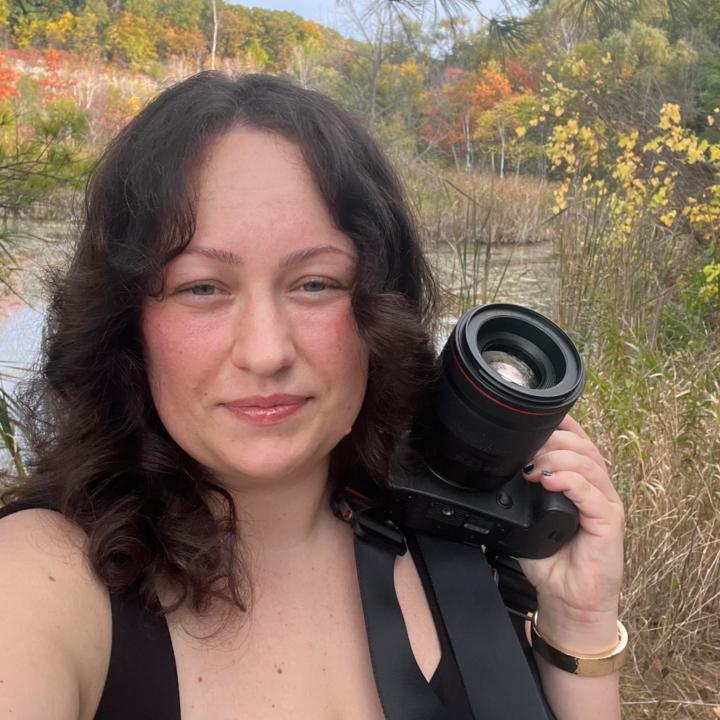
Hi! I am Ola - a professional family photographer in Toronto, ON. I help photographers shoot families with confidence and consistency.
Active 3d ago
Joined Feb 17, 2026
INTJ
Toronto