Activity
Mon
Wed
Fri
Sun
Jul
Aug
Sep
Oct
Nov
Dec
Jan
Feb
Mar
Apr
May
What is this?
Less
More
Memberships
The Iron Forge Brotherhood
27.2k members • Free
Prime Protocol
43 members • Free
Exploring Peptides Community
15.9k members • Free
Orion Peptides
180 members • Free
Peptides & Pump Knowledge Base
1.7k members • Free
2 contributions to Orion Peptides

13d •
Acetic Acid
Can you do without acetic acid when reconstituting peptides? I've just been using BAC water .
0 likes • 11d
thank you . never had any issues just using bac water

19d •
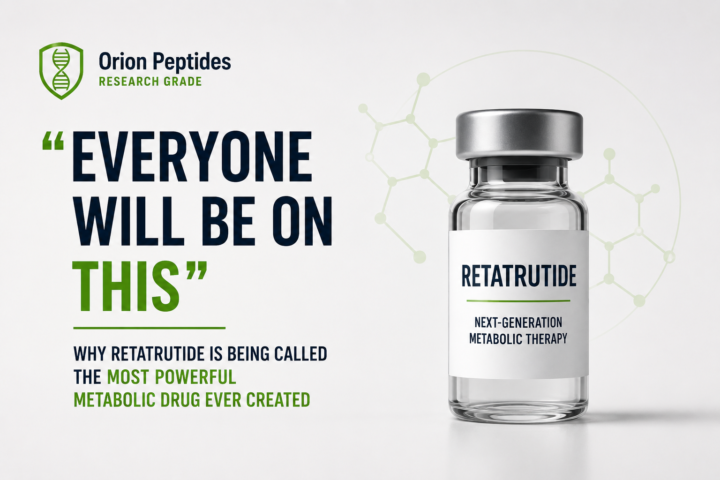
“Everyone Will Be on This”: Why Retatrutide Is Being Called the Most Powerful Metabolic Drug Ever Created
The GLP-1 conversation has officially entered a new phase. What started with: - Ozempic - Wegovy - and Mounjaro is now rapidly evolving into something much bigger. And according to Dr. Terry Dubrow, the next wave may completely change modern medicine. In a viral interview now exploding across social media, Dubrow described one compound as: “the greatest drug that there ever was.” The compound? Retatrutide. And the claims surrounding it are becoming impossible to ignore. What Is Retatrutide? Retatrutide is Eli Lilly’s next-generation triple agonist peptide currently moving toward FDA approval. Unlike earlier GLP-1 drugs that target one or two receptors, Retatrutide targets three simultaneously: - GLP-1 - GIP - and glucagon receptors That third pathway changes everything. Because Retatrutide doesn’t just suppress appetite. Researchers believe it may also: - increase basal metabolic rate - amplify fat oxidation - improve glucose regulation - preserve lean mass more effectively - and dramatically accelerate fat loss That’s why many researchers now consider it the likely successor to current GLP-1 therapies. Why the Hype Around Retatrutide Is So Extreme According to Dubrow, the excitement surrounding Retatrutide inside gym and performance circles is already massive — despite the drug not yet being officially FDA approved. And that’s where the controversy begins. Because while Eli Lilly continues the regulatory process, unregulated versions are reportedly already circulating through: - compounding channels - underground peptide markets - online suppliers - and gym communities Dubrow made a bold claim during the interview: “Everybody’s on RETA.” Whether that statement is exaggerated or not, one thing is undeniable: Interest in Retatrutide has exploded at a pace rarely seen in modern metabolic medicine. Why Researchers Think Retatrutide Could Be Different Earlier GLP-1 medications were already considered groundbreaking.
0 likes • 17d
hello, i didn't add acetic acid to my tesa , only bac water. should i use it still ?
1-2 of 2

@mike-barcenas-8723
trying to become the healthiest and best version of myself starting at the cellular level
Active 4h ago
Joined May 7, 2026