Activity
Mon
Wed
Fri
Sun
Oct
Nov
Dec
Jan
Feb
Mar
Apr
May
Jun
Jul
Aug
Sep
What is this?
Less
More
Generational Aquatics
39 members • Free
5 contributions to Generational Aquatics

Nov '25 •
🌈 Guppy (Poecilia reticulata) Care Guide
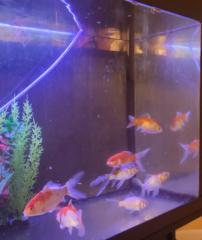
Difficulty: BeginnerSize: 1.5–2.5 inchesTemperament: Peaceful livebearerLifespan: 2–3 years 💧 Tank Setup - Tank Size: 10 gallons minimum; 20+ if you plan to breed. - Water Range: 74–82 °F, pH 7.0–8.0, moderately hard water. - Decor: Live plants like hornwort or guppy grass give fry hiding spots. - Filtration: Sponge filters work best — gentle flow, fry-safe. 💡 Lesser-Known Tip: Guppies show brighter color in harder, mineral-rich water — adding crushed coral or Wonder Shells can naturally enhance color and health. 🍽️ Diet - Staple: High-quality flake or micro pellet. - Supplements: Baby brine shrimp, daphnia, and spirulina flakes. - Feeding Frequency: Small amounts 2–3 times daily. 💡 Fact: Guppies are “micro-predators.” They pick at microorganisms and algae — a clean but slightly “seasoned” tank helps them thrive. 🧬 Breeding Behavior - Type: Livebearer — fry are born free-swimming. - Gestation: About 28 days; females can store sperm for multiple births. - Fry Care: Move newborns to a grow-out tank or heavily planted area to prevent predation. - Feeding Fry: Crushed flakes, microworms, or powdered fry food. 💡 Breeder Insight: Maintain a 1 male : 2–3 females ratio to reduce stress and avoid fin damage from over-courting males. 🤝 Tank Mates Peaceful community fish like corydoras, platies, mollies, and small tetras.Avoid fin-nippers or aggressive species. 💬 Community Prompt What’s your favorite guppy strain? 💎Post a photo of your favorite tail type or color line — and let’s talk genetics! Have you ever tried line breeding or mixing strains?
0 likes • Apr 26
Mar 4 •
Breeding Better Fish Starts Before the First Fry: Pick Parents, Not Just Pairs
If you want healthier fry and more predictable results, the biggest win is choosing the right breeding pair before they ever meet. Start by selecting fish that are active, eating well, and free from visible issues like clamped fins, sunken bellies, or torn tails. Avoid breeding fish that are too young or too old—most community species do best when fully mature but still in prime condition. Next, think genetics in simple terms: line breeding (related fish) can lock in traits, but it also increases the chance of weaknesses showing up. Outcrossing (unrelated fish) usually gives stronger fry, especially for beginners. A practical approach is to start with unrelated stock, then track traits over a few generations. Keep notes from day one: parent colors/patterns, spawn date, hatch date, and growth milestones. This gives you a clear picture of what traits are actually passing on versus what looked good once. Clean water, stable temperature, and high-quality food will amplify your genetic progress faster than “perfect” fish alone. Question for members: What species are you planning to breed first, and which one trait do you want to improve in your next generation?
0 likes • Mar 4
Where do you get breeding starter pack
0 likes • Mar 6
@Bryan Dinkel thanks man
Nov '25 •
🐠 Bristlenose Pleco (Ancistrus sp.) Care Guide
Difficulty: Beginner-FriendlySize: 4–5 inchesTemperament: Peaceful bottom-dwellerLifespan: 10–12 years 💧 Tank Setup - Tank Size: Minimum 20 gallons for one, 30+ for pairs. - Water Parameters: 72–80°F, pH 6.5–7.5, soft to medium-hard water. - Environment: Provide driftwood (they need it — it’s part of their digestion) and multiple hiding spots. - Lighting: Moderate; dim corners help them feel secure. - Filtration: Strong but gentle flow — they like oxygen-rich water. 💡 Pro Tip: Add cholla wood or almond leaves. They release tannins that reduce stress and promote natural grazing behavior. 🍽️ Diet - Staple: Algae wafers and high-quality sinking pellets. - Supplement: Fresh veggies — blanched zucchini, cucumber, spinach, and sweet potato. - Protein Boost: Once a week, give frozen bloodworms or Repashy gel food. 💡 Lesser-Known Fact: They’re nocturnal eaters — feed after lights out for better nutrition and cleaner tanks. 🧬 Breeding Behavior - Type: Cave spawners. - Pairing: One male with a plump female — males have larger bristles on their heads. - Trigger: Slight temperature drop (2–3°F) and heavy feeding mimic rainy season conditions. - Caring for Eggs: The male guards eggs until hatching (4–6 days). Leave him alone — removing him too early risks fungus. 💡 Advanced Tip: Use pleco caves tilted slightly downward — males feel more secure guarding entrances. 🌿 Compatibility Great with tetras, corydoras, rasboras, and peaceful dwarf cichlids.Avoid housing with aggressive or fin-nipping species. What’s your favorite veggie to feed your plecos — and how do you prepare it? 🥒 Do you blanch it, skewer it, or just drop it in raw? Share your method (and maybe a photo)!
0 likes • Jan 31
Next project as im getting a pair
0 likes • Feb 13
New pair of albino bristlenose plecos
Dec '25 •
🌿 Molly Fish (Poecilia sphenops) Care Guide
Difficulty: Beginner → IntermediateSize: 3–4.5 inchesTemperament: Peaceful but activeLifespan: 3–5 years 💧 Tank Setup - Tank Size: 20+ gallons for a small group. - Water Range: 75–82 °F, pH 7.5–8.5, prefers hard, mineral-rich water. - Decor: Open swimming space with plants like guppy grass or hornwort. - Filtration: Steady current and good oxygenation — they love clean, moving water. 💡 Lesser-Known Tip: Mollies do great in slightly brackish water — adding 1 tablespoon of aquarium salt per 5 gallons helps prevent disease and boosts coloration. 🍽️ Diet - Staple: Algae-based flakes or spirulina pellets. - Treats: Blanched veggies (zucchini, peas) + live or frozen brine shrimp. - Feeding Routine: Twice daily — just what they can finish in 1–2 minutes. 💡 Fact: Mollies are constant grazers — in the wild they feed on algae films, so a mature tank with biofilm keeps them happier and healthier. 🧬 Breeding Behavior - Type: Livebearer — females give birth to live fry every 4–6 weeks. - Fry Count: 20–100 depending on age and size. - Gestation: ~30 days; gravid spot near the anal fin darkens before birth. - Fry Care: Move newborns or provide dense floating plants for cover. 💡 Breeder Insight: Keep a 1 male : 3 female ratio — males chase nonstop, and this reduces stress for females. 🤝 Tank Mates Excellent with guppies, platies, swordtails, corydoras, and peaceful tetras.Avoid aggressive cichlids or fin-nippers. Who’s kept mollies in slightly salty water before? 🌊 Share your results — did you notice brighter colors or fewer illnesses? Drop a photo of your favorite color strain (black, dalmatian, gold, or balloon)!
0 likes • Jan 22
@Bryan Dinkel thanks so much for helping me mate
0 likes • Jan 22
@Bryan Dinkel may set up a new tank for the fry
Nov '25 •
📸 Show Us Your Tank Challenge! (Your First Post Inside 🐟)
Let’s kick things off with one of our favorite community traditions — the “Show Us Your Tank” Challenge! 🌿 Whether you’ve just set up your first aquarium or have been breeding for years, we want to see your setup. This challenge helps everyone connect, learn from each other’s designs, and celebrate the incredible variety of tanks in our community. Here’s how to join:📷 Step 1: Post 1–3 photos (or a short video) of your aquarium setup.💬 Step 2: Tell us what species you’re keeping — or the ones you hope to breed next.💡 Step 3: Share one lesson you’ve learned so far or one challenge you’re facing. Each month, we’ll feature one member as our “Tank of the Month” 🏅 — with a special reward for Premium Members like early stock access or gift cards. 🌊 No tank is too small or too simple — this community celebrates progress, not perfection. 🐟 Comment below:Have you posted your tank yet? Drop your link or photo and let’s see what you’re working on!
0 likes • Nov '25
0 likes • Nov '25
@Mark Jones they look great
1-5 of 5
@michael-roche-7564
I really interested in different types of fish . I have tropical and fresh water fish and turtles.At young age of interest in pets and from then there
Active 3d ago
Joined Nov 15, 2025
Portarlington co laois