Activity
Mon
Wed
Fri
Sun
Jul
Aug
Sep
Oct
Nov
Dec
Jan
Feb
Mar
Apr
May
What is this?
Less
More
Owned by Matthew
Have you ever wished you had a trusted person to reach out to with questions or concerns regarding your boat, yacht,
Memberships
The Ascent / For Divorced Dads
569 members • Free
5 contributions to Ask a Marine Surveyor

Jan 11 •
Propeller shafts
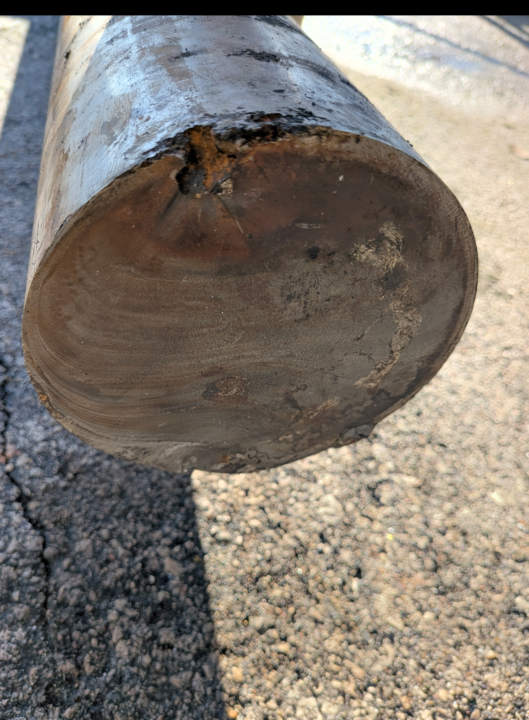
Most inboard powered boats, both pleasure yachts and workboats, are equipped with a stainless steel propeller shaft. There are a variety of stainless steel alloys that the shaft may be made out of, including Aquamet of various numbers. Commercial vessels and large yachts subject to class society regulations are required to remove their propeller shaft and inspect it every 5 years. This requirement forces the inspector to visually inspect both the shaft and it's bearings for wear and damage. But, smaller yachts and many smaller work boats are not subject to this inspection requirement, leaving their owners to decide how and when they inspect the shaft. A common occurrence with stainless steel shafts is corrosion. Yes stainless, not stain proof, it corrodes. The shaft is particularly prone to corrosion inside the stern tube areas where stagnant water sits. This water becomes oxygen depleted, and accelerates the corrosion. The shaft will develop deep and jagged pitting. This takes place in the hidden areas of the stern tube, and cannot be inspected without removing the shaft. Below is a photo of a shaft which had too much time between inspections, and where the pitting was not properly inspected and evaluated during its last inspection. The pit propegated into a crack, and eventually the shaft broke off, forcing expensive repairs.
0 likes • Jan 11
@Sam Weiksnar great question. In the USA all tugs over 26' long, passenger vessels, and other vessels which carry cargo for hire have mandatory USCG inspections which include shafts. On yachts there is no size requirement, but typically once yachts get around 150' long they are classed by ABS or another class society which also mandates shaft inspections.
0 likes • Jan 11
But, it's in all vessel owners interests to inspect their shafts and prevent pitting, repair it when found. Having a broken shaft can result in expensive towing bills, or worse.

Jan 2 •
I'll be working on some interesting content and hope we get some member interaction. In the meantime enjoy this old pod cast.
https://open.spotify.com/episode/3EDkwV7qTSvXQlSSbHOW9c?si=tKSErMmdSUO5GAiKAuSSJg&context=spotify%3Aplaylist%3A37i9dQZF1FgnTBfUlzkeKt
0
0
Jan 1 •
A little about me
I grew up sailing and playing on boats. I sailed across the Atlantic at age 12, with my family on our 36' sailboat. I raced dinghies and offshore throughout my teens and twenties. I spent my free time fishing inshore and offshore. During a university sabbatical I worked on super yachts. I got my 100 Ton captain license at 19. Through some luck I found myself working as an apprentice marine surveyor in New Orleans, inspecting tugs, barges, ships, OSV's, and cargo. I've bought and sold boats. I've broken most things on boats, and fixed them too. I've been in crap weather, dealt with after hurricane salvages, fires, sinkings, as well as tragic marine accidents involving fatalities. While I haven't done or seen everything, I have done and seen a lot. Let's talk, yachts, tugs, fishing, repairs or marine insurance.
1
0
Jan 1 •
Welcome to the ask a marine surveyor community
Hey there, I'm Matt. I'm a Marine Surveyor, and I'm here to help you. Maybe you have a peculiar issue with your boat. Perhaps you want some help with a boat purchase. Maybe your experiencing an insurance claim or an equipment problem. Let this be your community for help. A low stress, low friction, low cost way to get NO BS answers.
1-5 of 5