Activity
Mon
Wed
Fri
Sun
Oct
Nov
Dec
Jan
Feb
Mar
Apr
May
Jun
Jul
Aug
Sep
What is this?
Less
More
Nurse to CEO Summit
3
Free
AI Glow Up
56
Free
The Yoga Wolf
79
Free
Her Dope Mindset
19
Free
Music Money Mentality
133
Free
IA Para Todos
18
Free
3 contributions to Kitchen passport

Apr 7 •
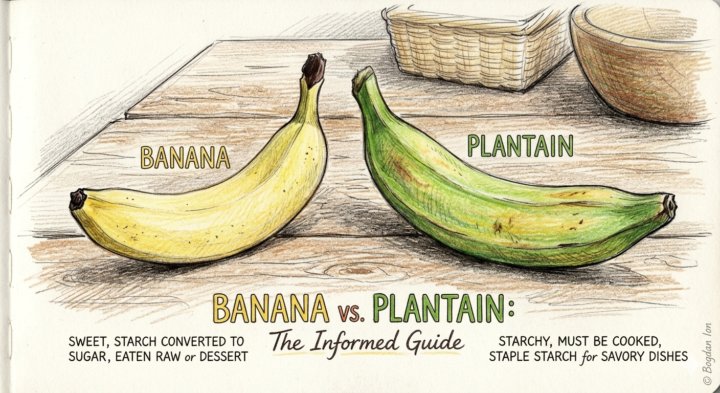
🍌 Plantain vs. Banana: The Professional Breakdown
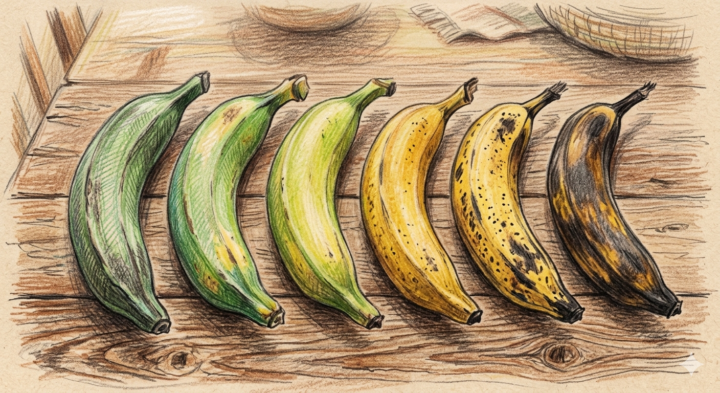
One of the most common questions in the kitchen is: "Can I just use a regular banana if I can't find a plantain?" The short answer? F. No! While they look like cousins, they behave like completely different ingredients in the pan. The Big Differences - Starch vs. Sugar: Bananas are high in sugar and low in starch, making them soft and sweet. Plantains are the opposite—they are very high in starch and lower in sugar. - The "Raw" Rule: You can eat a banana raw, but you almost never eat a plantain raw. It’s dense, dry, and has a "chalky" texture until heat transforms the starches. - Culinary Role: Bananas are for dessert. Plantains are a staple starch, acting more like a potato or a yam in savory cooking. Texture & Flavor by Ripeness As you can see in my sketch, the skin color is your "GPS" for flavor: 1. Green: Rock hard and neutral. It tastes like a savory potato. This is what you need for Tostones. 2. Yellow: The starch is starting to turn to sugar. It’s slightly softer and has a mild, balanced sweetness. Great for mashing. 3. Black: This is when they are at their sweetest. The texture is soft and the flavor is deep and caramelized. These are used for Maduros (sweet fried plantains

1 like • Apr 7
Wow, this is such a clear breakdown! 🍌 I never realized how different plantains and bananas are in texture and culinary use. The ripeness guide is super helpful I’ll definitely keep that in mind next time I cook.
1 like • Apr 7
yes of course have tried them😍🤪
Apr 4 •
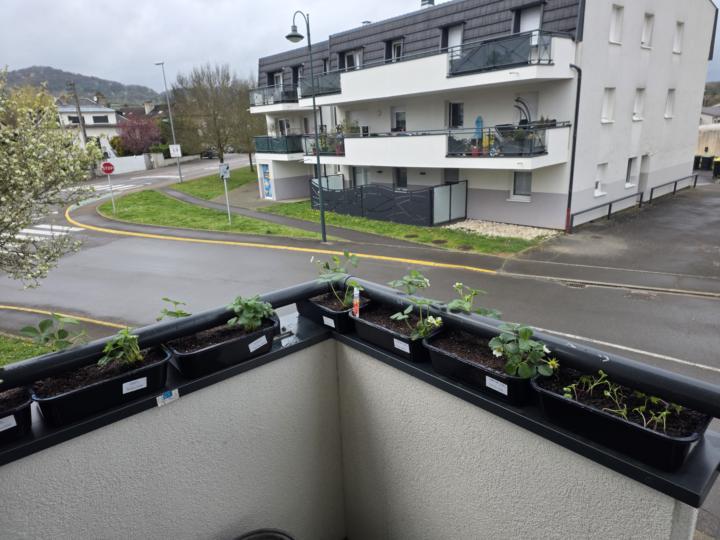
🌱 From Balcony to Board: My Spring Garden Update
There’s nothing like the feeling of getting your hands in the dirt! Today was all about setting up the balcony garden, and I’m finally seeing some life poking through. Growing your own ingredients is the ultimate "Kitchen Passport" it’s the shortest distance a product can travel to your plate. Here is the current status of the balcony: - The Early Birds: My spring onions and radishes are officially sprouting! - The "Survivor": I planted three butternut seeds, but only one has made it to the surface so far. It’s a reminder that nature has its own pace. - The Slow Burners: The parsley and yellow carrots are taking their time, but I can see them starting to push through. - The Big Risk: I’ve just moved my tomato and cucumber seedlings outside for their first night. It’s always a nervous moment; fingers crossed they handle the drop in temperature! 🤞❄️ - The Future: Just finished planning out the strawberries. There’s nothing like home-grown berries in a few months. 💡 Chef’s Tip for Small Gardens: When space is tight on a balcony, focus on "High-Value" crops. Things like parsley and spring onions are expensive to buy fresh every week, but they are incredibly hardy and easy to grow in small pots. Discussion: Are any of you growing your own ingredients this year? Whether it’s a full garden or just a single pot of basil on a windowsill, I want to see it! Drop a photo of your "green" progress below! 👇🌿
1 like • Apr 5
This is such a great update there’s something really grounding about growing your own food and watching it come to life step by step.
1-3 of 3

@mathilda-natalie-7368
I’m a community mentor and expert helping creators and coaches build thriving, engaged communities on Skool, Circle, Mighty Networks, and Discord.
Active 2d ago
Joined Apr 4, 2026