Activity
Mon
Wed
Fri
Sun
Aug
Sep
Oct
Nov
Dec
Jan
Feb
Mar
Apr
May
Jun
Jul
What is this?
Less
More
Memberships
Hagwitch Herbals
80 members • Free
1 contribution to Hagwitch Herbals

May 21 •
Food security
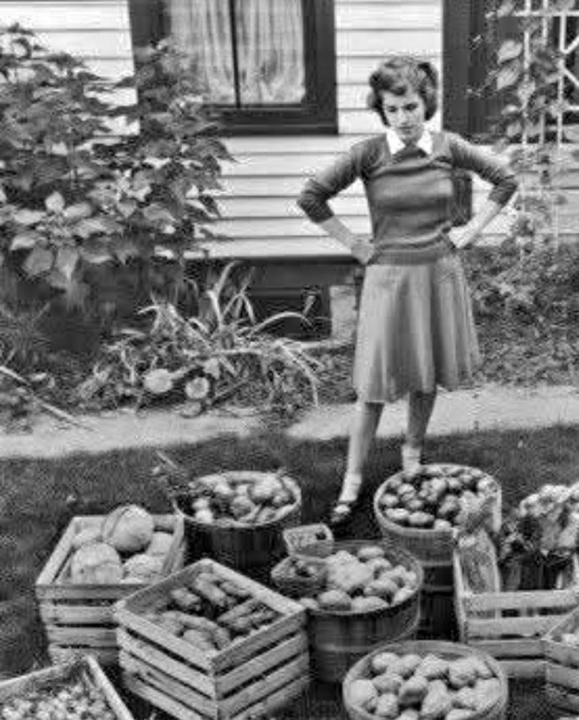
Our grandparents kept a Victory Garden through the war. Many kept it going for sixty years after. And what they told when asked is the reason I'm writing this right now. why did they continue to grow so much food when the grocery store was right down the street? Grandparents commonly said — because once you've seen the shelves go empty, you don't ever quite trust them to be full again. As a child we didn't understand. The store was always full. That was like telling us the sky might turn green. But they knew something we didn't. And something that is always a potential in an uncertain global market. Here's what they knew. The food system in this country has broken three times in the last hundred years. And every single time — without exception — the families who survived were the ones who had seeds in the ground before the shelves went empty. Not after. Before. The first time was 1917. World War One. Europe was starving. Farmland bombed into trenches. The US government looked at the math and realized they couldn't feed the military and the civilian population at the same time. The UK victory gardens were the main source of food for communities, with our land girls working the fields. Children had to help. It was a community effort. The American government told American families to grow their own food too. Three million of them did. By 1918, five million. Kids as young as eight were organized into groups the government called Soldiers of the Soil. The second time was 1943. World War Two. Rationing hit hard. Meat, butter, sugar, canned goods — all controlled, all rationed. Twenty million families planted Victory Gardens. They grew ten billion pounds of food. Nearly half of every vegetable people ate came out of someone's garden. Both times, the US government showed up. Printed planting guides. Distributed seeds. Built the whole system and handed it to you. Then came the third time. 2020. And this is where it starts to affect you directly. Grocery shelves went empty. Not in a history book. In your store. The one you drive to every week. Produce section — bare. Meat case — gaps you'd never seen before. In the USA Canned goods were limited to two per customer. Lines wrapped around the building. People looking at each other with that look — the one that says something is wrong and nobody's saying it out loud. In the UK we had similar restrictions on how much we could buy per shop across a variety of products.

1 like • May 21
And where we can get good seeds to plant?
1 like • May 21
@Richard Quintana thank you!
1-1 of 1

Active 16d ago
Joined May 13, 2026