Activity
Mon
Wed
Fri
Sun
Aug
Sep
Oct
Nov
Dec
Jan
Feb
Mar
Apr
May
Jun
What is this?
Less
More
Memberships
Conservation Dog Alliance
146 members • $30/year
Nose Worx Detection Skool
416 members • Free
Beyond The Leash
87 members • Free
The Detection Dog Lab
809 members • Free
1 contribution to Beyond The Leash

May 22 •
Turkish Pointer
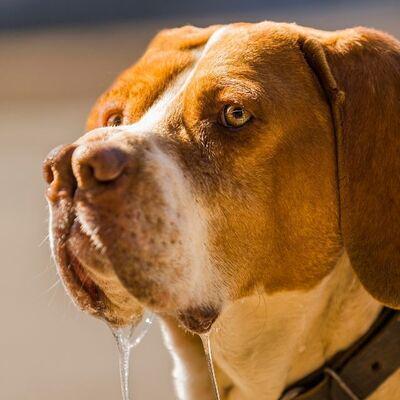
This weeks Breed of the Week is thanks to @Katie Schobel The Turkish Pointer is an exceptionally rare pointing breed that is found almost exclusively in the Tarus region of Turkey. They are one of three breeds with the split nose genetic trait which leaves the nose appearing as if it was split in two with one nare each. Some of their other names are Turkish Split Nose Pointer, Turkish Fork Nosed Dog, Catalburun and Tarus Catalburun just to name a few. Due to this breed only being recently discovered by those outside of the region the ancestry is currently unknown. According to one source there are only around 200 individual dogs which means that inbreeding is high whether or not it is accidental. Even though inbreeding probability is higher due to the smaller gene pool the Turkish Pointer does not have many health issues outside of hip dysplasia, hypothyroidism and allergies. Sometime around the early 1900s this breed became known outside of its homeland but no one knows when they arrived to the area. The breed could go back centuries and might be indigenous to the area. Some speculated that the breed may be part of the origin story of other pointer breeds such as the English Pointer and German Shorthaired Pointer but I have done posts on those and did not see that reflected. This is also pointed out in the sources for today’s post. The Turkish Pointer is used to hunt small birds and rabbits and are quite agile hunters despite being smaller and heavy bodied compared to other pointers. They are also resilient, have great stamina, committed and intuitive with a well boned and muscular body. All great attributes to have in a working hunting breed. Now let’s talk about their nose. Their nostrils are divided by a cleft which gives the illusion of two noses with a single nare each. In some individuals this cleft can continue all the way to the top of their head under the skin (you won’t see it). This cleft nose is considered a genetic defect and can also be seen with a cleft lip and/or cleft palate.

1 like • May 23
I wonder if the dog's turbinate structure is effected?
1-1 of 1
@lindsey-shaklee-8843
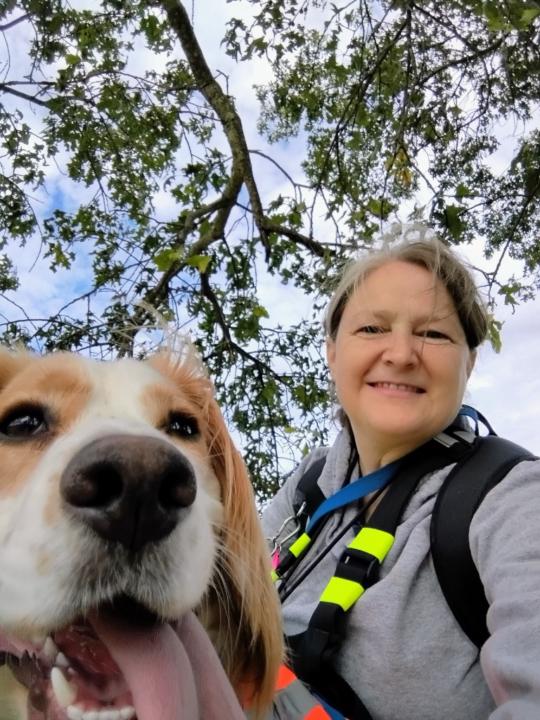
Hi I'm Lindsey. I'm the human for Scout, a 1 year old working cocker, who is in training as a conservation detection dog.
Active 11h ago
Joined Dec 25, 2025