Activity
Mon
Wed
Fri
Sun
Aug
Sep
Oct
Nov
Dec
Jan
Feb
Mar
Apr
May
Jun
Jul
What is this?
Less
More
Owned by King
Arcane Nexus Vibrant Living Community where Ancient Wisdom & Modern Innovation Converge and Seekers Co-create Transformation Unlocking Hidden Energies
Memberships
9 contributions to THE ARCANE NEXUS

Jan 29 •
#INTERCONNECTEDNESS
Remembrance is the 🔑 2 your Liberation. Remembering who you Truly are is your Power. EMPOWER URSELF. 🪶🪶🐉🐉🙏🏾🙏🏾💪🏾💪🏾👁👁🔔🔔🖤🖤🔑
0 likes • Feb 2
@Abiodun Emmanuel Marvelous. Show me.
1 like • Feb 2
@Abiodun Emmanuel sounds great

Feb 1 •
SELF-ETYMOLOGY
To know thyself is to find out where you actually come and and who your ancestors are. Begin by exploring the characteristics of each zodiac sign and reflect on how much they relate to those traits. The next step is to introduce yourself to to signs and rising signs enabling you to create your own birth chart. This is strong engaging way for you to learn about yourselves and each other. There is going to be a project where we all research and the mythology behind each constellation or comparing the zodiac system to other cultural astrological systems will aid in figuring your heritage and who you are, your capabilities and latent abilities. Incorporating astrology in modern society encouraging critical thinking. (Google Search Overview): Self-etymology (or personal etymology) is the practice of uncovering the "roots" of one's own identity, beliefs, and behaviors to understand why one is the way they are. In a curriculum, it moves beyond studying word origins to exploring personal narrative origins, turning literacy and social studies into tools for self-authorship and critical thinking. Here is a guide on what this means for the individual and how to incorporate it into your skool/school curriculum. Part 1: What Self-Etymology Means to the Individual For an individual, self-etymology is a, "back to your roots" journey to understand personal foundations. It serves as a form of personal development or self-growth, allowing individuals to: - Deconstruct Identity: Examining the "roots" of personal beliefs helps individuals understand which parts of themselves are authentic and which were adopted from social environments. - Empower Self-Authorship: It shifts the focus from being a passive recipient of life experiences to becoming the "author" of one's own life story. - Enhance Self-Awareness: By investigating the origins of their own habits and reactions, individuals can better manage their personal growth and emotional well-being. - Unpack Personal "Irrational" Beliefs: Just as studying etymology explains "irregular" words, self-etymology explains why we might hold onto thoughts that don't make logical sense today.
0
0

Feb 1 •
VALUES
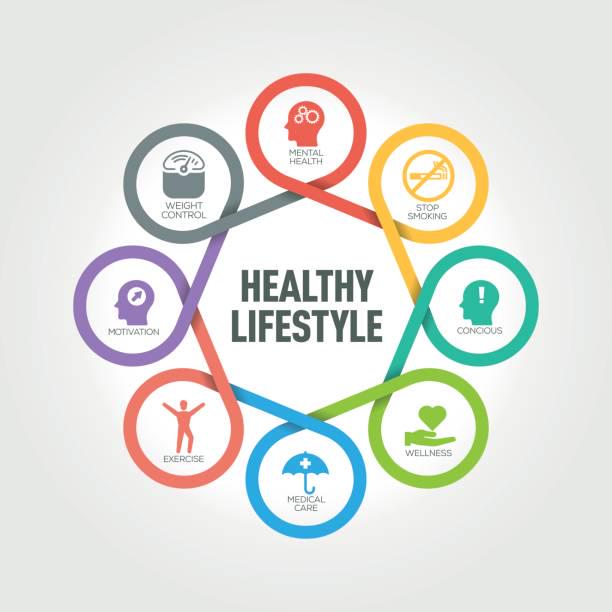
Core values are guiding principles like honesty, kindness, or perseverance that shape a person’s decisions and actions. By helping students identify their own core values—and showing how practicing them daily leads to better health, relationships, and fulfillment—you empower them to grow stronger and more resilient. (Google Search Overview) https://www.health.harvard.edu/blog/phytonutrients-paint-your-plate-with-the-colors-of-the-rainbow-2019042516501 Did you know that adding color to your meals will help you live a longer, healthier life? Colorful fruits and vegetables can paint a beautiful picture of health because they contain phytonutrients, compounds that give plants their rich colors as well as their distinctive tastes and aromas. Phytonutrients also strengthen a plant's immune system. They protect the plant from threats in their natural environment such as disease and excessive sun. When humans eat plant foods, phytonutrients protect us from chronic diseases. Phytonutrients have potent anti-cancer and anti-heart disease effects. And epidemiological research suggests that food patterns that include fruits and vegetables are associated with a reduced risk of many chronic diseases, including cardiovascular disease, and may be protective against certain types of cancers. The American Cancer Society recommends 2-1/2 cups per day of fruits and vegetables. The most recent US Dietary Guidelines recommend consuming even more: 2-1/2 cups of vegetables and 2 cups of fruit, based on a 2,000-calorie diet. Getting started To get started, try to include as many plant-based colors in your meals and snacks as possible. Each color provides various health benefits and no one color is superior to another, which is why a balance of all colors is most important. Getting the most phytonutrients also means eating the colorful skins, the richest sources of the phytonutrients, along with the paler flesh. Try to avoid peeling foods like apples, peaches and eggplant, lest you lose their most concentrated source of beneficial chemicals.
0
0
1-9 of 9

@king-kilg-3443
WE ARE ALL INTERCONNECTED. FOR WHO HAS EARS LET THEM HEAR. FOR WHO HAS VISION LET THE ENVISION.
Active 149d ago
Joined Jan 28, 2026
Powered by