Activity
Mon
Wed
Fri
Sun
Aug
Sep
Oct
Nov
Dec
Jan
Feb
Mar
Apr
May
Jun
Jul
What is this?
Less
More
Owned by Kimberly
GenXers turning their side - hustles into full time income
✈️Travel More. Start Now. Join a community of Women 40+ making travel dreams happen. Culture & Culinary, Luxury and Adventure. Solo but not alone! 💞
Memberships
SKOOL OF FOOD WRITING
76 members • $10/month
Skool Events Daily
384 members • Free
Synthesizer: Free Skool Growth
44.6k members • Free
ClubIII- Sing, Learn, Inspire
17 members • Free
Bougie Babes Over 50
40 members • $9/month
Onliners: Anything's Possible!
149 members • Free
Embrace Your Story
84 members • Free
How To Live Longer
101 members • Free
Calm Book Club
659 members • Free
6 contributions to How To Live Longer

Mar 18 •
💬What's your protocol?🥸
What is currently a part of your longevity protocol/life?
Poll
13 members have voted


1 like • Mar 18
[attachment]
Mar 9 •
🛌💤Fix Sleep After Daylight savings...
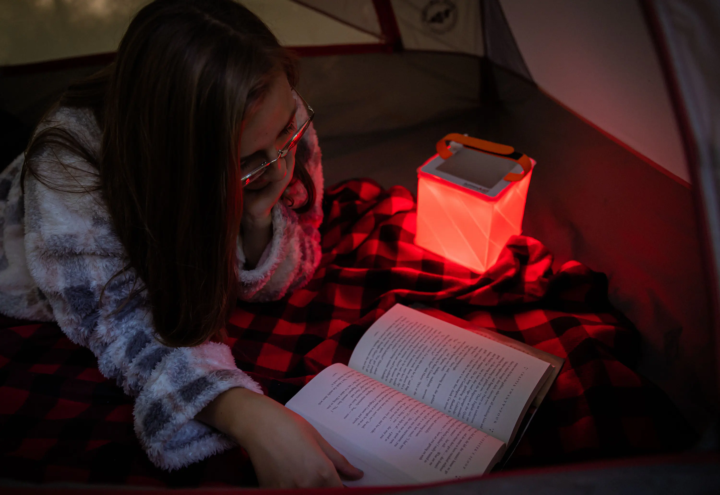
Crafting the Perfect Night's Sleep: 💤 - Maintain consistency: Stick to a fixed bedtime and wake time (e.g., 10 p.m.–6 a.m.), varying by no more than 20-30 min—even on weekends. This anchors your circadian rhythm, improving sleep quality by 20%. 💤 - Optimize your environment: Keep the room cool (65–67°F), completely dark with blackout curtains, and quiet. A drop in core body temp aids deep sleep onset; studies show cooler rooms enhance recovery. 💤 - Wind down effectively: Dim lights 1 hour before bed, avoid screens (blue light suppresses melatonin by 50%), and try reading or journaling. Huberman recommends this to lower cortisol. 💤 - Avoid disruptors: No caffeine after 12-2 p.m. (half-life 6-8 hours), no alcohol (cuts REM 20%), and no food 3 hours before bed to prevent digestion spikes in heart rate. 💤 - Incorporate boosters: Get 10-30 min morning sunlight to set your internal clock. Consider magnesium (200-400 mg threonate/glycinate) 30-60 min before bed for relaxation—backed by sleep studies. 💤 Tracking Your Sleep - Use wearables: Devices like Oura Ring or Whoop track REM/deep stages, HRV (aim 40-100 ms), and RHR (50-70 bpm) with ~95% accuracy vs. lab tests; spot patterns like post-alcohol dips. 💤 - Apps for basics: Free options like Sleep Cycle use phone sensors to monitor movement and stages (~70% accurate); log trends without hardware. 💤 - Keep a simple journal: Note bedtime/wake time, how rested you feel (1-10 scale), and factors like caffeine. Studies show subjective tracking reveals inconsistencies leading to better habits. 💤 - Review weekly: Adjust based on data—e.g., if HRV drops, check stress or room temp. Consistent tracking improves sleep over time, per CDC data.
2 likes • Mar 9
As soon as I saw the part about screens I almost shut mine down but I wanted to finish reading! Good advice! Thank you!
Mar 4 •
🛌💤FIGHT DAYLIGHT SAVINGS
Did you know that heart attacks spike by 24% on the Monday following the start of daylight saving time? That's according to a comprehensive study of hospital admissions in Michigan, highlighting how the sudden loss of an hour of sleep can strain the cardiovascular system. Similarly, research from Finland shows an 8% increase in ischemic stroke rates during the first two days after the spring time change. Losing that single hour has a bigger impact than most realize, disrupting our body's internal clock and potentially triggering serious health events. This one-hour adjustment isn't just a one-off inconvenience...it can create a butterfly effect on your sleep patterns for days or even weeks ahead. The shift throws off your circadian rhythm, leading to reduced sleep duration, increased fragmentation, and heightened daytime sleepiness, particularly for those with evening chronotypes. Over time, this misalignment can persist during the DST period, affecting metabolism, mental health, and overall sleep homeostasis. And sleep is absolutely crucial for longevity: Studies show that maintaining healthy sleep habits (like 7-9 hours nightly with good quality) can extend life expectancy by up to 4.7 years in men and 2.4 years in women compared to poor sleepers. Insufficient sleep is linked to higher mortality risk, often more strongly than factors like diet or exercise. With daylight saving time starting this Sunday, March 8, we have limited time to acclimate, but a gradual approach can help minimize the disruption. Here's a simple plan to adjust over the next few days: 1. Start tonight (March 3): Go to bed and set your alarm 15 minutes earlier than usual. 2. March 4: Shift another 15 minutes earlier for bed and wake-up. 3. March 5: Add another 15-minute shift. 4. March 6: One more 15-minute adjustment. 5. March 7: By now, you'll be aligned with the new time—maintain this schedule into Sunday. This progressive method eases your body into the change, reducing fatigue and health risks. If you have underlying conditions, consult your doctor for personalized advice.

4 likes • Mar 4
British Colombia Canada is changing their clocks for the last time on March 8th. I wonder if more provinces will follow suit. And the US too!
2 likes • Mar 4
@Lauren Baetz its going to be weird now for me in Quebec and part of my family in BC and part in Washington State. 😅 its going to be hard to keep the times straight!
Sep '25 •
✅READ THIS FIRST✅🥑🧠🫐🫑🧬
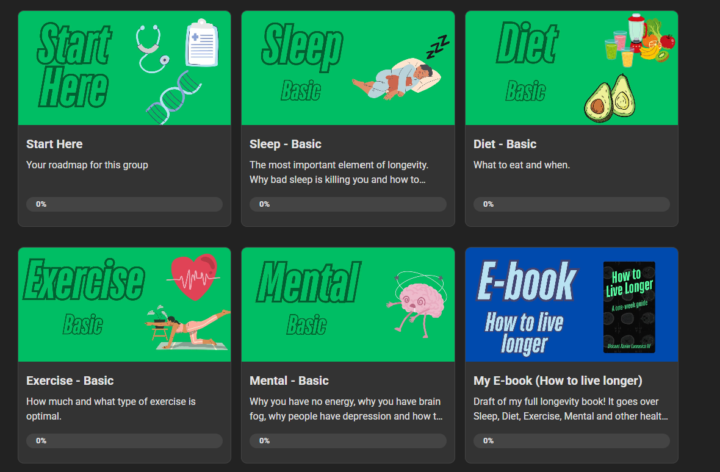
Welcome to the community everyone. Quick breakdown of what you are looking at. Community tab: For discussions with everyone in the community. I will be posting daily whether questions, my protocols, interesting topics, research, videos, or anything else relating to longevity. Join in the conversation and learn. Classroom tab: I have two levels of information teaching on Sleep, Diet, Exercise, and Mental. Go through these courses, learn, ask questions, and improve your life. This is a bulk of the learning and will constantly be added to. Calendar tab: Where I will put our live events and other scheduled events. After joining, take a second to introduce yourself and your goals from this community BELOW. We are all starting from somewhere, so lets get to know each other! Please ask questions too!
2 likes • Feb 24
@Reva Israel Thank you!
1 like • Feb 25
@Lauren Baetz Thanks!
Feb 25 •
🚱Do you drink Diet Coke????
Diet Coke relies on artificial sweeteners like aspartame, which studies link to increased risks of metabolic syndrome, type 2 diabetes, cardiovascular issues like AFib and high blood pressure, weight gain, gut microbiome disruption, and even potential carcinogenic effects with heavy long-term use. Switching to healthier alternatives can support longevity by promoting gut health, stable blood sugar, and reduced inflammation. Look into the following alternatives: - Sparkling Water with Natural Flavors (e.g., La Croix Cola): Ingredients include carbonated water and natural essences (no sweeteners or calories). Buy at most grocery stores like Walmart or online via Amazon. Benefits: Hydrates without additives, supports weight management and dental health by avoiding enamel erosion; a simple swap that curbs soda cravings while aiding overall hydration linked to longevity. - Zevia Cola: Stevia-sweetened soda with carbonated water, natural flavors, and caffeine (zero calories, no artificial sweeteners). Available at Target, Whole Foods, or Amazon. Benefits: Stevia doesn't spike blood sugar, potentially reducing diabetes risk; supports metabolic health and weight control compared to artificial options, with studies showing natural sweeteners may aid longevity via better insulin response. - Olipop or Poppi Prebiotic Soda (cola flavors): Contains prebiotic fibers like inulin, apple cider vinegar (Poppi), botanicals, and low sugar (2-5g per can). Sold at Costco, grocery chains, or online. Benefits: Prebiotics feed gut bacteria, improving microbiome diversity tied to longevity, reduced inflammation, and better digestion; research links gut health to lower chronic disease risk. - Kombucha (low-sugar cola-inspired flavors, e.g., GT's): Fermented tea with probiotics, organic acids, and minimal sugar. Find at health stores like Sprouts or online. Benefits: Probiotics enhance gut health, immunity, and detoxification; studies associate fermented foods with longer lifespan via reduced oxidative stress and heart disease risk.

2 likes • Feb 25
NOOOO! I occasionally drink ginger ale. But very rarely. In the summer I will drink Guru or other "plant based" energy drinks. But I don't think those are that good either. I bought once of those soda stream things. I like making my own!
1-6 of 6
@kimberly-wright-6803
Community builder creating spaces where people turn passions, ideas, and dreams into freedom and possibility.
Active 5d ago
Joined Feb 22, 2026
ENFJ
Quebec, Canada