Activity
Mon
Wed
Fri
Sun
Aug
Sep
Oct
Nov
Dec
Jan
Feb
Mar
Apr
May
Jun
Jul
What is this?
Less
More
Memberships
Rock Paper Peps
294 members • Free
48 contributions to Rock Paper Peps
6d •
🅰️ Introducing: The 20-Day A-Z Research Peptides Highlight Series! 🚀
Hey Rock Paper Peps family! We’re kicking off something special to make peptide research more fun, accessible, and educational — one letter at a time. Starting Tomorrow, Every day for the next 20 days, we’ll spotlight different research peptides (or related concepts) from A to Z. You’ll get: - Quick, bite-sized highlights of what they’re studied for - Key research insights (always with the disclaimer: For laboratory research use only) - Visuals in our signature graffiti/street-art style - Community polls, questions, and stacking research peps discussions This series is designed to spark curiosity, deepen understanding, and celebrate the incredible versatility of peptides — all while keeping quality and science at the forefront (just like our women-owned, pharma-background approach at Aviva Amino).
2 likes • 6d
Love this!!
8d •
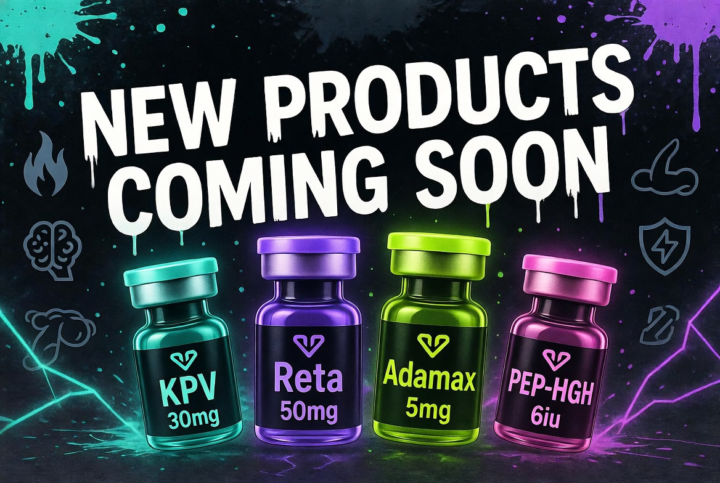
🚨 NEW PRODUCTS DROPPING SOON! 🚨
Get ready, Rock Paper Peps fam! We’re adding some 🔥 power players to the lineup: - KPV 30mg – The ultimate research inflammation fighter. Perfect for research gut health, skin recovery, and calming the system from the inside out. - Reta 50mg – Higher-dose Retatrutide for those research ready to take their weight loss & metabolic goals to the next level. - Adamax 5mg – Next-level research cognitive support. Focus, clarity, and brain performance on another level. - PEP-HGH 6iu – Premium research growth hormone support for recovery, muscle, energy & anti-aging vibes. These are coming in hot with our signature high-purity standards (99%+ tested). Who’s excited?! Drop a 🔥 or comment below with which one you’re most hyped for 👇 Stay locked in — we’ll be posting restock alerts, dosing guides, and launch details right here in the community first. #RockPaperPeps
3 likes • 8d
🔥🔥🔥
9d •
Storage 🤔
With the amazing July 4th weekend sale, I hope everyone stocked up! With that being said, how are we storing all of our goodies? Also, I’ve seen so many different researches on if you can/can’t pre draw and store, or if you need to draw directly out of vial right before every 📌. Can we talk about it? 😂 because some of us have a staaackkk!
11d •
🇺🇸 Happy 4th of July from the Aviva Amino Family! 🎆
Wishing you a day filled with freedom, fireworks, good food, and great company! Today we’re celebrating independence — and the freedom to pursue better health, better research, and better lives. Our 4th of July Sale is still going strong through tomorrow (July 5): - 50% OFF sitewide with code BOOM50 - FREE BAC Water added automatically to every order - Daily $25 gift code winners in the Skool raffle - Big gift code raffle with a $250 Grand Prize Whether you’re relaxing with family or diving into your protocols, we’re grateful to have you as part of the Rock Paper Peps community. Drop a 🎇 or 🇺🇸 below and tell us how you’re celebrating today! Thank you for being part of this journey. Here’s to liberty, growth, and high-purity research! Shop the sale: avivaamino.co Help Other friends and family members Join the community: Rock Paper Peps Happy Independence Day! 💙❤️
2 likes • 11d
🇺🇸 happy 4th! We are grilling and relaxing on the back porch tonight! Everyone be safe!
13d •
July 2nd $25 Gift Code Spin Winners Revealed! 🎉🏆
Hi everyone! 🎊 The July 2nd Spin is complete! Click on the video below to see who our two lucky $25 Gift Code winners are! Huge congratulations to both of you — enjoy your winnings! 💸✨ (Who’s ready for the next spin? Drop a 🔥 below if you’re in!)

1 like • 13d
🔥🔥🔥🔥🔥
1-10 of 48
@kimberlee-griswold-3145
Living life each day, chasing my dream and spending it with the love of my life 💕
Active 10h ago
Joined Mar 1, 2026