Activity
Mon
Wed
Fri
Sun
Aug
Sep
Oct
Nov
Dec
Jan
Feb
Mar
Apr
May
Jun
Jul
What is this?
Less
More

Memberships

DIY Gardening

1.1k members • Free

Strong Confident Living

3.5k members • Free

26 contributions to DIY Gardening
🌱 Which phase are you currently in?
And how are you feeling about it? - Confident and crushing it? - Wishing you had a little more direction? - Somewhere in-between?
Poll
45 members have voted
🌱 Which phase are you currently in?
3 likes • 7d
@Megan Webb in post would be great but if im not tagged i probably won't see it, just not online to often
2 likes • 3d
@Vanessa Lowe there's a bunch of places, I just googled it. I have never done it before.
Fresh from the garden
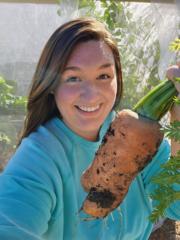
Green onion greens and Kale, dehydrated and ready for adding to my meal plans. Today I have been working on spice blends, some of the herbs also came from my garden. Working on dehydrating more herbs from the garden today also. I pulled up one carrot this morning to see how they are doing. Not super big, but much better than last years attempt. Will let the others go until I see the shoulders. My onions are about to be harvested. The rain keeps coming though so they haven’t dried. Their green leaves have been slowly falling over over the last week or two. Should I go ahead and pull them or should I let the soil dry first. It is supposed to rain again tomorrow then looks like I have a few days of no rain.
Fresh from the garden
2 likes • 6d
Nice harvest!
My projects from the garden for today
Today I harvested more of my herbs and veggies (a carrot and about 6 snow peas/sugar snap peas). I cleaned and prepped the herbs and have them dehydrating now. With some of the herbs I previously harvested and a few store bought, I put together a couple seasoning mixes and canned a small batch of Blueberry Lemonade Concentrate. I’d love to grow more of my own herbs, and plan to expand them next year. Currently I just have basil, oregano, chives, rosemary, parsley, sage, and thyme. I also have in my pantry dehydrated jalepeno and bell peppers to make into ground or “crushed red pepper”. I absolutely love having my dehydrator and hope to eventually learn how to preserve the strawberries and other fruits. I think I over dehydrated them last year. They definitely were not soft and chewy like store bought. lol. Scroll through photos, I added recipes there which I used to make my mixes and concentrate.
My projects from the garden for today
3 likes • 6d
I was going to do my own herbs also, so I need a dehydrator?
3 likes • 6d
@Lisa Miller ok thank you, im growing all my own herbs and am going to make spices with them
🧅 When to Harvest & How to Cure Onions
I have good news: Onions are one of the easiest plants in the garden to read. Unlike other plants (I see you, watermelon 🍉), where it can be a lot harder to tell, onions basically 𝘵𝘦𝘭𝘭 you when they're ready. 𝟯 𝘀𝗶𝗴𝗻𝘀 𝘁𝗼 𝗹𝗼𝗼𝗸 𝗳𝗼𝗿: - Your first big clue is when the neck (that's the part where the leaves meet the top of the bulb) flops over onto the ground. - Your second sign is when the outer skin starts turning dry and papery instead of smooth and green. - The third indication is when about half the leaves start yellowing and drying out. BUT WAIT (there's more 🤣), don't rush to pull them just yet. 𝗪𝗮𝗶𝘁 𝗯𝗲𝗳𝗼𝗿𝗲 𝘆𝗼𝘂 𝗵𝗮𝗿𝘃𝗲𝘀𝘁 Once the tops flop and start browning, give it another one to two weeks before you pull anything. This does two things: - It lets the onion finish sealing its neck shut, which is what keeps moisture and bacteria out during storage - And it lets the bulb pull the last bit of energy out of the dying stalk. Skip this wait, and you could end up with onions that don't seal properly and rot faster in storage. 𝗛𝗼𝘄 𝘁𝗼 𝗵𝗮𝗿𝘃𝗲𝘀𝘁 𝘁𝗵𝗲𝗺 - Stop watering three to five days before you plan to harvest. This gives the outer layers and the soil around the bulb time to dry out, which matters a lot for both pulling them easily and preventing them from trapping excess moisture. - Wait for a dry day if you can. Onions have shallow roots, so on dry soil you can just grab the bulb and gently pull straight up. Wet soil makes them harder to pull, and extra soil can stick to the bulb, which traps moisture you don't want. A couple things to keep in mind: - Pull from the bulb, not the stem. Yanking on the stem can snap it. - Once it's out, gently brush off the dirt with your hand. - Don't peel off any of the outer papery layers yet. Those are doing a job (protecting the bulb), and you'll want them for curing. 𝗛𝗼𝘄 𝘁𝗼 𝗰𝘂𝗿𝗲 𝘁𝗵𝗲𝗺 If you're planning to store your onions rather than eat them right away, they need to cure first. Lay them out in a single layer somewhere shaded with good airflow, out of direct sun. A covered patio, garage, or shop all work fine.
🧅 When to Harvest & How to Cure Onions
2 likes • 6d
This is my 1st year for onions and can't wait. I have a ton of 1st times in my garden and spend all day in it, sometimes just walking and looking at everything in amazement.
2 likes • 6d
Nice harvest and some really big ones!
🍅 Blossom End Rot: It's Not What Most People Think
If you've ever gone out to check on your tomatoes and found the bottom of the fruit looking dark, sunken, or rotted... that's blossom end rot (also called BER). And I think it's one of the most 𝘮𝘪𝘴𝘶𝘯𝘥𝘦𝘳𝘴𝘵𝘰𝘰𝘥 issues in the garden. I'm currently dealing with this in my own garden, so it felt like the perfect opportunity to clear this up! 𝗧𝗵𝗲 𝗕𝗶𝗴 𝗠𝗶𝘀𝗰𝗼𝗻𝗰𝗲𝗽𝘁𝗶𝗼𝗻: "𝗝𝘂𝘀𝘁 𝗔𝗱𝗱 𝗖𝗮𝗹𝗰𝗶𝘂𝗺" The most common thing you'll see people say is that blossom end rot is a calcium deficiency, so you need to add more calcium to your soil. You'll find all sorts of remedies: - Drop Tums (antacid tablets) in the ground near your tomato plants - Pour milk into the soil or spray it on the leaves - Add bone meal or crushed eggshells and so on... These recommendations 𝘵𝘦𝘤𝘩𝘯𝘪𝘤𝘢𝘭𝘭𝘺 aren't wrong, because yes, blossom end rot 𝘥𝘰𝘦𝘴 have to do with calcium. And the plant IS having trouble getting enough of it. BUT, in most cases, there IS enough calcium 𝗮𝗹𝗿𝗲𝗮𝗱𝘆 𝗶𝗻 𝘆𝗼𝘂𝗿 𝘀𝗼𝗶𝗹. Especially if you've been adding compost, using organic fertilizers, and taking care of your soil health. 👉 The real issue is almost always 𝘄𝗮𝘁𝗲𝗿𝗶𝗻𝗴. 𝗦𝗼, 𝗪𝗵𝗮𝘁'𝘀 𝗔𝗰𝘁𝘂𝗮𝗹𝗹𝘆 𝗛𝗮𝗽𝗽𝗲𝗻𝗶𝗻𝗴? Plants absorb nutrients through water. When the watering is off, everything else struggles. 𝗧𝗼𝗼 𝗹𝗶𝘁𝘁𝗹𝗲 𝘄𝗮𝘁𝗲𝗿: Dry soil means the plant has no way to pull nutrients up through its roots. No water = no nutrient uptake. 𝗧𝗼𝗼 𝗺𝘂𝗰𝗵 𝘄𝗮𝘁𝗲𝗿: Excess water can actually wash/leach nutrients out of your soil. Waterlogged soil also makes it hard for roots to absorb nutrients properly 𝘦𝘷𝘦𝘯 𝘸𝘩𝘦𝘯 they're present. Both extremes produce the same result: the plant can't get enough calcium to the developing fruit, and you end up with blossom end rot. (Boo). ✨ A consistent, appropriate watering schedule is one of the most powerful things you can do for your garden. ✨ If you want more guidance on how and when to water, I covered this in detail in my recent post on watering HERE.
🍅 Blossom End Rot: It's Not What Most People Think
1 like • 7d
@Megan Webb thank you so much, I don't get online to often so this helps me alot.
1-10 of 26
Kelly Kappes
4
36points to level up
@kelly-kappes-9025
From New Jersey

Active 12h ago
Joined Feb 16, 2026
Powered by