Activity
Mon
Wed
Fri
Sun
May
Jun
Jul
Aug
Sep
Oct
Nov
Dec
Jan
Feb
Mar
What is this?
Less
More
Memberships
High Priestess Tarot
45 members • Free
Oracle Connections
2.8k members • Free
Rich Witch Magick
272 members • Free
The arts of magic
163 members • Free
House of Honey and Gold
2k members • Free
The Universal Spellbook
274 members • Free
Hex and Shadow Chronicles
512 members • Free
The Herb Witch
308 members • Free
The Accidental Druid
114 members • Free
4 contributions to The Herb Witch

Feb 26 •
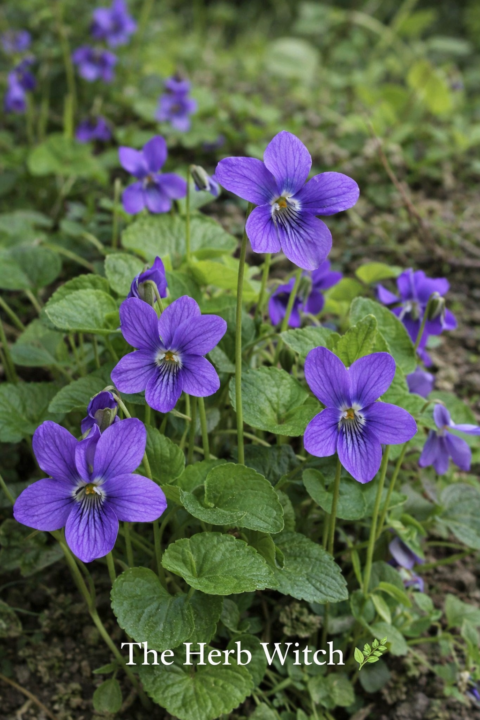
Sweet Violet
Sweet Violet Soft-looking. Deeply stubborn. Quietly powerful. Don’t let the delicate purple fool you. Sweet violet survives places other plants give up on. It spreads low, stays close to the earth, and comes back year after year whether you remember it or not. That alone makes it a witch plant. This is a ground-hugger. A listener. A plant that works from below instead of reaching for applause. Where it grows best Sweet violet is flexible in a way most plants aren’t. Full sun if it has to. Partial sun if it can get away with it. It’s not dramatic about light, it just adapts and keeps going. Cold doesn’t scare it. Heat doesn’t chase it off. Once it settles in, it stays. Soil and temperament This plant will grow in just about anything: loam, sand, clay, even chalky soil. It prefers soil that’s slightly neutral to mildly alkaline, but it’s not going to throw a tantrum if conditions aren’t perfect. It likes consistency more than luxury. Even watering. No flooding. No neglect. Very on brand. How it spreads Sweet violet doesn’t rush. It creeps. It sends out runners. It fills space quietly until one day you realize it owns the whole area and you never invited it. That’s not aggression. That’s strategy. You can start it indoors, plant established starts, or let it do what it does best and spread itself. Space it gently and don’t crowd it. It doesn’t compete well with bullies, but it outlasts them. Witch’s note Sweet violet is for calm power. For grief held gently. For magic that works in silence instead of spectacle. This is not a plant for flashy spells or instant results. This is for long healing, soft boundaries, and strength that doesn’t announce itself. Sweet violet reminds us that quiet things still take over the world. The Herb Witch 🌿

3 likes • 29d
Thank you for sharing 💗
Feb 26 •
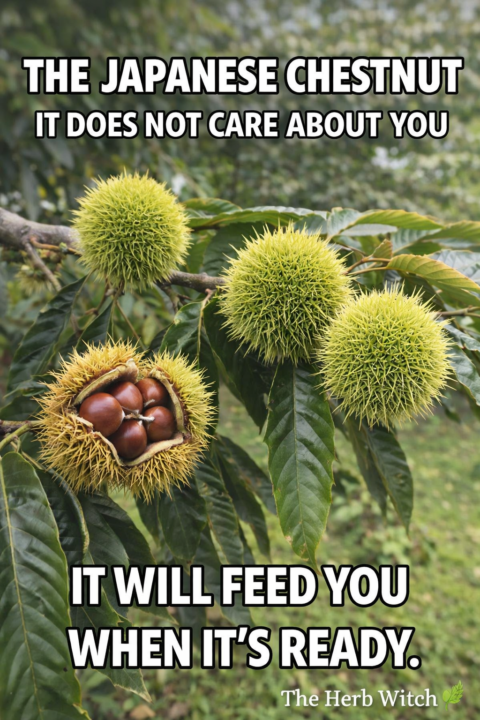
The Japanese Chestnut
The Japanese Chestnut A tree with patience, thorns, and absolutely no interest in human drama. Let’s talk about the Japanese chestnut. Not the sad little holiday chestnuts people burn and forget about. This one grows like it has a long memory and a sharp sense of boundaries. First impression? Spiky. Guarded. Mildly hostile if you rush it. Already relatable. This tree does not sprint. It settles in, sinks roots, and takes its time deciding whether you’re worth feeding. That alone makes it wiser than most people. Where it thrives It likes sunlight. Real sunlight. None of that half-hearted shade nonsense unless it agrees to it first. Full sun is preferred, partial sun tolerated, much like small talk at family gatherings. Cold doesn’t scare it. Heat doesn’t impress it. This tree has seen seasons come and go and refuses to panic. The soil situation The Japanese chestnut is not precious, but it is particular. It wants soil that drains. It wants space. It does not want soggy feet or cramped roots. Clay, loam, sand, it can work with all of it as long as you don’t smother it. Basically: don’t trap it, don’t drown it, and don’t lie to it about where you planted it. The thorns are the point Those spiky burrs aren’t decoration. They’re a warning. This tree protects what it grows. You don’t grab. You wait. When the time comes, the burr opens on its own. There’s a lesson in that, if you’re paying attention. Growth style Slow. Steady. Unbothered. It’s not here to perform. It’s here to last. Once established, it becomes reliable, generous, and quietly powerful. This is not a beginner plant because it demands patience, not because it’s fragile. People confuse those two things all the time. Witch’s note This is a tree for long work. Legacy work. The kind that doesn’t care who’s watching. Plant it when you’re done rushing. Plant it when you’re ready to build something that outlives moods, trends, and idiots. The Japanese chestnut doesn’t rush harvest. It decides when it’s ready. The Herb Witch
2 likes • 29d
Thank you for sharing 💗
Feb 24 •
🌿 Witchy DIY: Rosemary Protection & Clarity Bundle
🌿 Witchy DIY: Rosemary Protection & Clarity Bundle This is simple, old-school, and powerful without being dramatic. Rosemary works whether people believe in it or not, which is my favorite kind of plant. What you need Fresh or dried rosemary Black thread, twine, or string A small bowl Your hands. That’s it. No altar gymnastics. No perfection required. The work Hold the rosemary and say (out loud or in your head): “What clouds the mind loosens. What lingers clears.” Gently bruise the leaves between your fingers. Not aggressive. Just enough to wake it up. Bundle the rosemary into a small bunch and tie it with the thread. As you tie it, think of one thing you’re done carrying that isn’t yours. Place the bundle: near your bed for restless thoughts by your door for boundary protection or on your desk to keep your head clear while working No burning. No smoke. This is steady, quiet plant work. Close it Put your hands over the bowl and say: “This work stays gentle. This work stays clean.” Done. Please be careful with it around your fur babies. The Herb Witch

2 likes • Feb 25
Thank you for sharing 💗
Feb 24 •
Give to the Earth
Not everything you give is lost. Some of it comes back as healing. — The Herb Witch

3 likes • Feb 25
Yes, I love and appreciate this 💗
1-4 of 4

@katie-collins-9648
I enjoy oddities, horror, paranormal investigating, museums, travel, activities in nature, photography, collecting rocks.
Active 11h ago
Joined Feb 24, 2026
ISTJ
Powered by