Activity
Mon
Wed
Fri
Sun
Jul
Aug
Sep
Oct
Nov
Dec
Jan
Feb
Mar
Apr
May
What is this?
Less
More
Memberships
Compelling Communicators
88 members • Free
16 contributions to Compelling Communicators

Jan 20 •
Wrong Playbook?
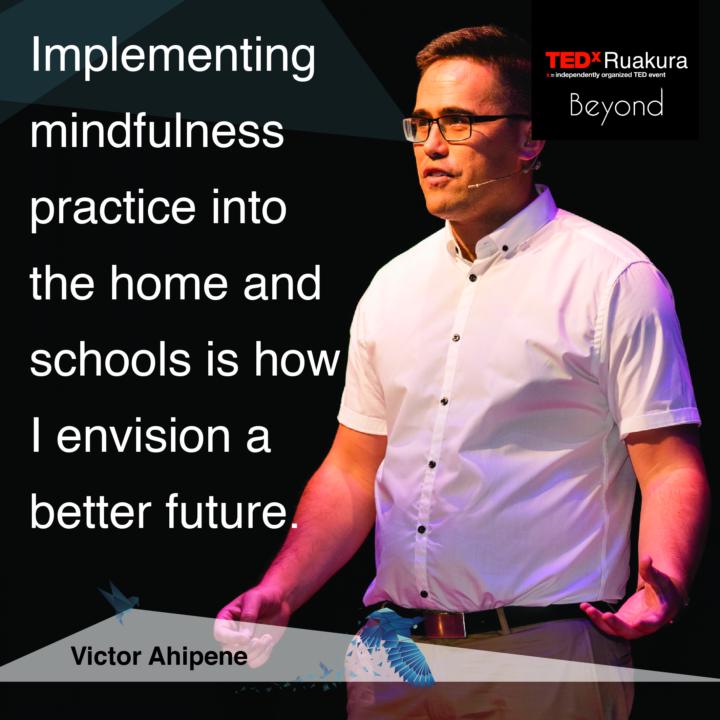
Victor followed the playbook perfectly. He opened with an engagement exercise. He told a story showing the problem and solution. He explained why it mattered to him personally. He ended with a vision of the future. On paper, it looked like a solid talk. But the experience was confusing. The engagement exercise at the start — without context — left the audience puzzled rather than hooked. The story wasn't connected to their reality. His personal stake didn't translate to their stake. And because those pieces were weak, the vision fell flat. Those already believing in his topic appreciated it. But they weren't the ones he needed to take on a journey. 𝗧𝗵𝗲 𝗺𝗼𝘀𝘁 𝗰𝗼𝗺𝗺𝗼𝗻 𝘀𝘁𝗿𝘂𝗰𝘁𝘂𝗿𝗮𝗹 𝗺𝗶𝘀𝘁𝗮𝗸𝗲 𝗜 𝘀𝗲𝗲 𝗶𝘀 𝘀𝗽𝗲𝗮𝗸𝗲𝗿𝘀 𝗿𝗲𝗹𝗮𝘁𝗶𝗻𝗴 𝘁𝗵𝗲𝗶𝗿 𝗼𝘄𝗻 𝗻𝗮𝗿𝗿𝗮𝘁𝗶𝘃𝗲 — from their personal experience or from a lecture perspective — instead of focusing on the audience journey. Once you have clarity on where you want the audience to end up, structure is about mapping the route: → Where is the audience starting? → Where do you want them to end up? → What obstacles, objections, or misunderstandings need to be overcome along the way? Following a structure isn't the same as structuring for your audience. Victor's engagement exercise would have worked brilliantly at the end — as a tool in the audience's toolkit. At the beginning, it was just noise. Are you telling your story, or taking your audience on theirs? 😉

0 likes • Jan 30
Food for thought for me I think.
Jan 22 •
Landing a TEDx is the beginning not the end...
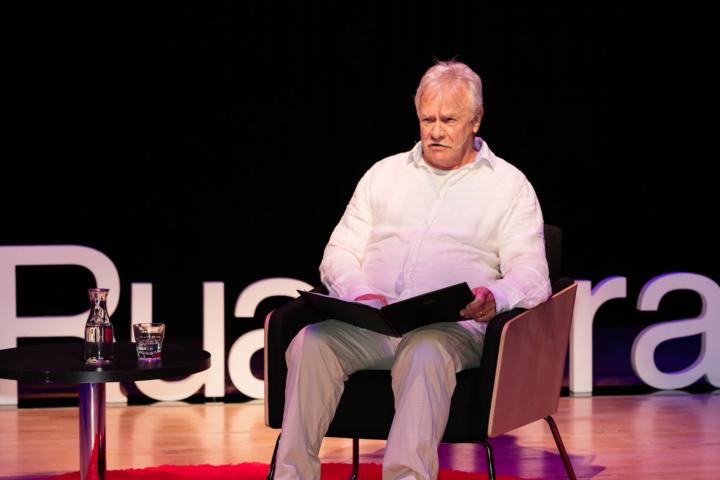
Michael Peters spoke at TEDxRuakura in 2018. His topic — "The Evolution of Truth" — was perfect for the moment. A post-truth world. Misinformation everywhere. He had genuine expertise and decades of lecturing experience. But he felt he didn't need to prepare. He needed notes on stage. He went off on tangents that weren't part of his original talk. He confused the audience. He went over time. The video had to be edited down, which made the disconnected structure even worse. As of this writing, his talk has just 1,964 views in seven years. That topic should have resonated globally. Michael had good thoughts and could speak well. But his lack of preparation undermined the message getting out into the world. 𝗣𝗲𝗿𝗳𝗼𝗿𝗺𝗮𝗻𝗰𝗲 𝗺𝗮𝗴𝗻𝗶𝗳𝗶𝗲𝘀 𝘁𝗵𝗲 𝘄𝗼𝗿𝗸 𝘆𝗼𝘂'𝘃𝗲 𝗮𝗹𝗿𝗲𝗮𝗱𝘆 𝗱𝗼𝗻𝗲. If your clarity, structure, and flow are solid, performance enhances the journey. Rhythm, pacing, emotion, vocal variety, gestures, movement, pausing, gaze — all of it lifts the experience. But if there are cracks in the foundation, performance magnifies those too. You can't charisma your way out of a confusing structure. An amateur tries to gloss over the gaps with energy and presence. It doesn't work. Too many speakers jump straight to performance — worrying about stage presence before they've done the foundational work. Polish comes last. Not first. If you're preparing for a high-stakes talk or pitch, ask yourself: Have I earned the right to focus on performance yet? Or is there foundational work still to do? What do you focus on first when preparing a talk? 😉
0 likes • Jan 30
Understanding the topic or subject. In a past life (The Army), we were always taught the three P's - Prior Preparation and Planning, Prevents Poor Performance. Maybe that should have been the six P's? 🤔🤣
Jan 28 •
I almost destroyed a speaker's transformation.
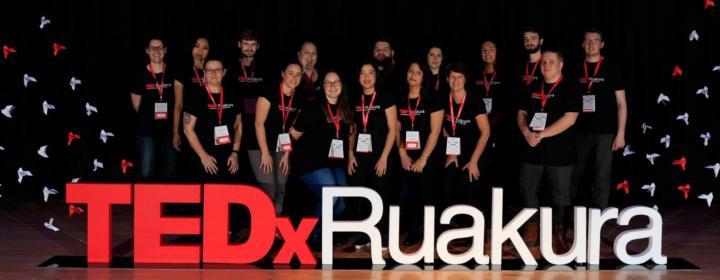
She applied to TEDxRuakura with an idea that fit perfectly into the zeitgeist. Timely. Powerful. The kind of talk that could resonate globally. I was excited. Too excited. On the basis of that potential, she was selected as a speaker. But here's where I failed: I didn't spend enough time evaluating where she actually was - both in capability and emotion. I saw the talk's potential. I didn't see her. This was a deeply personal story. And I pushed too hard. I set expectations too high. Not because her work wasn't good enough - but because I had a vision of how impactful this talk could be. That was my vision. Not hers. When I realised I was creating more friction than help, I handed her off to a fellow coach with a more empathetic approach. She gave her talk. She shared her story. She got recognition from the audience. But I still felt frustrated. I knew what that story could have been. Then, months later, something shifted. I started seeing her at every local networking event I attended. She was showing up. Speaking up. Connecting with people. Her confidence had grown massively since she started working with us on that talk. 𝗧𝗵𝗮𝘁 𝘄𝗮𝘀 𝘁𝗵𝗲 𝗿𝗲𝗮𝗹 𝘄𝗶𝗻. Not the viral potential. Not the global reach. The transformation. She had shared something deeply personal on stage. It resonated with many. And that experience changed her. A win I almost destroyed by prioritising my vision over her journey. As coaches, mentors, or leaders, it's easy to see someone's potential and push for it. But potential means nothing if we break the person chasing it. 𝗧𝗵𝗲𝗶𝗿 𝗷𝗼𝘂𝗿𝗻𝗲𝘆. 𝗧𝗵𝗲𝗶𝗿 𝗽𝗮𝗰𝗲. 𝗧𝗵𝗲𝗶𝗿 𝘄𝗶𝗻. Have you ever pushed someone too hard because you could see what they couldn't? 😉
0 likes • Jan 30
Might I also suggest that sometimes we have developed hacks that get us through. They might not always fit the prescribed method, but could be leveraged on to improve the delivery without diminishing the vision of transformation.
Jan 30 •
The 3 questions I ask every TEDx speaker in our first session (steal them).
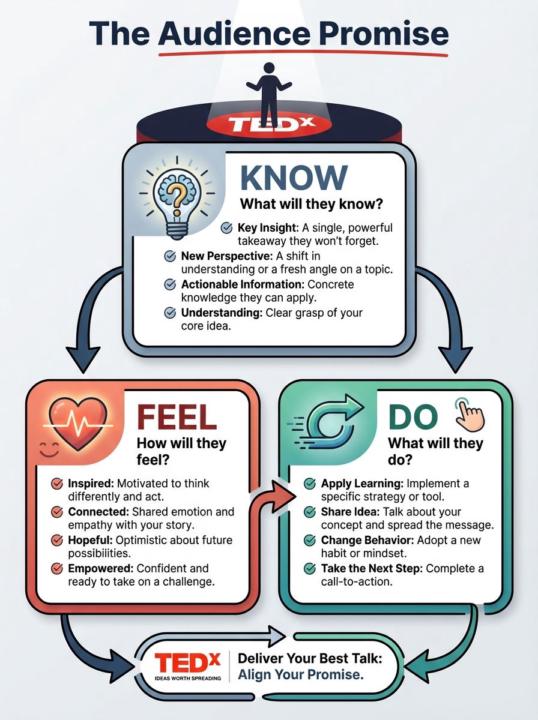
When a speaker gets selected, they usually want to dive straight into writing. They have ideas. They have stories. They have expertise. But I slow them down. First, we get clear on what they want to achieve through this talk. That's different for everyone. Then I introduce what I call the Audience Promise. It's not something you explicitly say to your audience. It's something you hold in your mind as you craft every part of your talk. I frame it like this: Imagine you've just finished your talk. Standing ovation. The audience loved it. As they leave their seats and head to the foyer, if you could ask them three questions, how would they answer? → What do you now know that you didn't know before this talk? → How do you feel after this talk? → What will you do differently going forward as a result? 𝗧𝗵𝗮𝘁'𝘀 𝘁𝗵𝗲 𝗞𝗻𝗼𝘄/𝗙𝗲𝗲𝗹/𝗗𝗼 𝗳𝗿𝗮𝗺𝗲𝘄𝗼𝗿𝗸. Once you have answers you're happy with, they become your reference point for every decision in the crafting process. Should I include this story? Does it help the audience with one or more of these promises? What order should I put these sections in? Which order best meets your audience promise? How should I start or end my talk? What serves your audience best in meeting your promise? Every question has an answer when you know what you're promising your audience. If you're preparing a talk, a pitch, or any high-stakes presentation, try answering these three questions before you write a single word. What should your audience know, feel, and do after hearing you speak? 😉
1 like • Jan 30
From the perspective of a neurodivergent mind (ADHD), that can be harder to do than you might think. In a compressed time frame, with 100 different ideas going full blast in your head at the same time, getting to the final answers is difficult. Thanks @Chris Hanlon for getting me to the final delivery in one piece and coherent. I learnt a lot about my own strengths and weaknesses in the process, and I am very grateful. Thank you.
Jan 22 •
Viewing Party
Woohoo! Gary is looking to organise a viewing party where we can get together and watch all your TEDxUoWaikato talks. This is great because most of you missed many of your colleagues talks while you were backstage etc. So it will be great to see your talk on the big screen and support your colleagues with their talk. And it is a good chance to catch up! I believe he is looking to organise one in Tauranga and one in Hamilton.

1 like • Jan 23
Thank you Chris, is there any idea when that might be?
0 likes • Jan 23
@Chris Hanlon looking forward to seeing everyone else's 😀
1-10 of 16

@karen-turanga-5354
I am a lifelong learner, academic, researcher, educator and business owner. I am living my life in reverse by not following conventional pathways.
Active 103d ago
Joined Sep 1, 2025
Hamilton, New Zealand
Powered by