Activity
Mon
Wed
Fri
Sun
Dec
Jan
Feb
Mar
Apr
May
Jun
Jul
Aug
Sep
Oct
Nov
What is this?
Less
More
Owned by Julie
Helping everyday people buy land, grow food, build self-reliance, create income, and leave a legacy worth passing down.
20 contributions to Land & Legacy

Apr 28 •
Buying Land — Start Here
If you’re in this section, you’re either thinking about buying land or actively looking. This is where we focus on: • How much land you actually need • Budgeting realistically • USDA loans & financing options • Hidden costs of raw land • Zoning, restrictions & utilities • Evaluating listings • Avoiding expensive mistakes Before you post, think about this: What is your biggest question right now? • Can I afford land? • Where should I buy? • How do I finance it? • What should I look for? Drop your question below or create a post. There are no dumb questions here — better to ask now than regret later.
0 likes • Jun 20
@Dyona Davis more and more people are getting into micro farms and while they can’t produce the same volume of what a lot of big agricultural productions produce, they can still produce a lot for your community. A well managed 1 acre micro farm can generate $100,000 a year in revenue.
0 likes • Sep 20
@Rachael Rachael Hunt-Hardaway your age is not a factor for getting loans. It’s based off your income, debt, credit score and ability to repay the loan.

Sep 6 •
Goals
I’m reading, and actively looking for rural land to farm. I’ve done this research before for the past decade. I’ve called the lenders who seemed to know nothing about rural land purchase through govt funding. I keep seeing women who have done this and I’m trying to understand where I had gone wrong. Arkansas is my home state, and is one of the states I would consider. I prefer north AR. I guess I’m not talking to the correct people
0 likes • Sep 18
Have you spoke with your local USDA office?
Jun 21 •
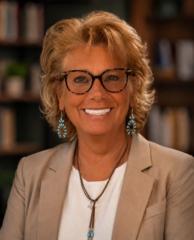
Young at heart but family is against it. What do you guys think?
My husband and I are past retirement age, my grandkids would tell you I’m WAY past it. We both had wonderful careers, but we still work part time. We feel really called to purchase a modest home on no more than 5 acres. I have always loved gardening and over the years I’ve learned a lot, but so open to learn more. My husband, who can make anything and remodel anything and build anything into something beautiful worked on his family’s farm for many years after serving our country. Our dream is to run a ministry on our farm. Grow lots of organic vegetables, fruit, and herbs to offer to underserved, marginalized families in need, 50% of our total growth. Sell 1/4 on line or my older grandchildren want to run a roadside market, and utilize the rest for our growing family. Our daughter and daughter in laws love to bake all things sourdough, canning, freezing, etc etc.Mike, my husband would love “a few cows..” a donkey, couple horses, some egg producing chickens and meat chickens, and maybe a couple pigs. My siblings tell us to move to the beach ( we live in FL), move back to Chicago around family ( not a chance, too many Italian relatives), and our kids think we’re crazy, but they are also excited about the idea, and helping with the farming and the ministry. Thoughts? PS I turn 70 in a month ❤️
0 likes • Sep 18
I don’t think you are crazy at all, and I love the purpose behind this dream. I would just encourage you to go into it with a realistic understanding of how physically demanding farming can be, especially in the Florida heat. The full vision—growing a large amount of produce while caring for cows, horses, pigs, chickens, and a donkey—would be a lot for almost anyone to manage at once. That doesn’t mean you shouldn’t do it. It may simply mean starting smaller and building in phases. You could begin with the home, garden, and ministry, then add animals gradually after learning what your time, energy, land, and budget can comfortably support. Florida also has a wonderful agricultural community, with many people who are eager to learn and work alongside experienced landowners. There are even programs that connect farms with people willing to help in exchange for a place to stay. That could eventually provide extra hands while also giving you another way to teach and serve. At 70, the goal doesn’t have to be proving that you can personally do every job. It can be creating the vision, starting at a manageable scale, building the right systems, and bringing together people who believe in the mission. ❤️

Sep 13 •
Once you have the land business idea, how do people find you?
For anyone planning a farm stand, Airbnb, event venue, or other land-based business, what would you focus on first to get customers? Google, a simple website, or social media? I feel like the idea is only half the job. Getting found is the other half.
0 likes • Sep 18
I think knowing your market should be one of the first priorities. If there are no customers for what you are offering, it does not matter if you have the best product, farm stand, Airbnb, or event venue in the world. Once you know there is a market for your idea, the next step is getting it in front of the right people. I would start building awareness before the business is officially ready to open. Share the process on social media, connect with local groups, collect email addresses, and let people know what is coming. You can begin generating interest long before you have anything available to sell. That early response also helps test whether the business idea is actually feasible. If people are asking questions, joining a waitlist, or expressing interest, that is valuable information. A simple website and Google listing are important, especially for a location-based business, but I would begin with the places where the intended customers already spend their time.
Jun 8 •
But Seriously
What do you need help with? What is your biggest obstacle to getting land and building your legacy?
1 like • Jun 20
@Dyona Davis In that case, I would lean toward prioritizing the land over the house, assuming the property checks the boxes for your farm and agritourism goals. Agritourism, farm stays, workshops, yurts, and animal interactions all tend to need acreage, proper zoning, and room for future expansion. It’s often easier to add or improve a dwelling later than it is to create more land. I would also spend a lot of time with the county before purchasing. The biggest question isn’t whether the land can support a farm—it’s whether the county will allow everything on your vision board. Yurts, farm stays, campgrounds, events, workshops, and agritourism can all have different permitting requirements. If you’re considering USDA Rural Development financing, remember they generally want the home to be the primary value of the property. If you’re considering FSA financing, they’ll be looking more closely at the agricultural operation itself. What state are you looking in? Some counties are incredibly agritourism-friendly, while others make it much more difficult.
0 likes • Jul 11
@Dyona Davis Those are all states with great agricultural opportunities. Personally, I’d narrow your search based on your long-term vision first. Are you looking to build a homestead, start a commercial farm, offer agritourism, or a little bit of everything? Once you know that, you can begin comparing counties instead of just states. The county often matters more than the state because that’s where you’ll find the zoning, building, and land-use rules that can either support—or limit—your plans. Which of those four states feels like your top choice today?
1-10 of 20
@julie-banas-3022
Midwife Farmer helping you buy land, grow food, build self-reliance, and create a legacy worth passing down.
Active 12d ago
Joined Apr 24, 2026
ENFP
Alachua florida