Activity
Mon
Wed
Fri
Sun
May
Jun
Jul
Aug
Sep
Oct
Nov
Dec
Jan
Feb
Mar
Apr
What is this?
Less
More
Memberships
The Functional Med Launchpad
273 members • $27/month
1 contribution to The Functional Med Launchpad

28d •
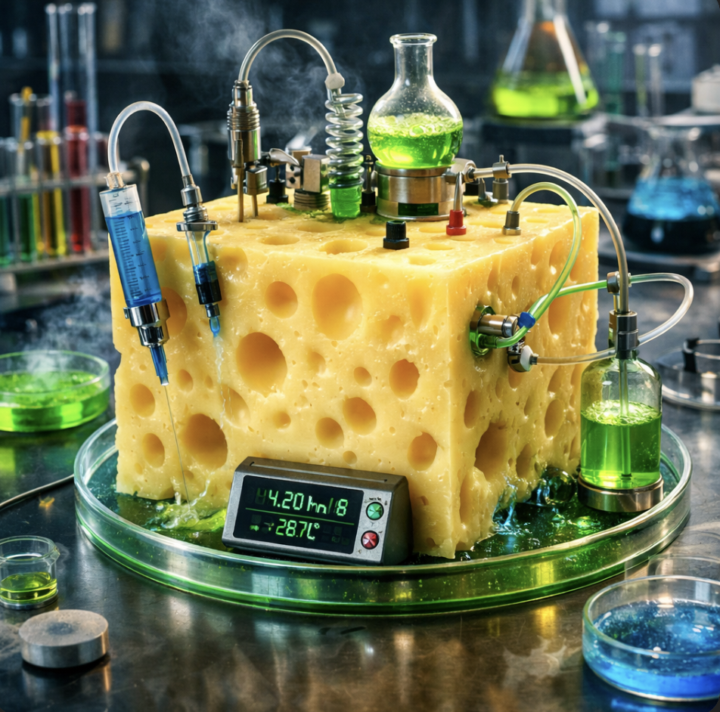
What Do You Get When You Mix Pfizer and a Cheese Block...?
“Fermentation-food-product profits.”...Of course, lol! How did this "match made in... H-E-Double-Hockey-Sticks Even start out? Glad you asked... -- Pfizer became a major penicillin producer in the 1940s During World War II, Pfizer developed a large-scale fermentation process to mass-produce penicillin. This required growing microbes in giant fermentation tanks. --After the war, they had huge fermentation capacity When wartime demand dropped, Pfizer had: - massive fermentation equipment - microbiology expertise - industrial-scale production facilities They needed new products that used fermentation. * Cheese enzymes were a perfect fit One key ingredient in cheese production is rennet, an enzyme that coagulates milk. Pfizer scientists figured out they could produce enzymes using microbial fermentation, which worked "perfectly" with their existing infrastructure. So Pfizer began producing microbial rennet (cheese-making enzymes) for the dairy industry. (Yay us...) Most practitioners—and patients—don’t realize that the majority of cheese consumed today isn’t made with traditional animal rennet. Instead, about 80–90% of cheese uses something called fermentation-produced chymosin (FPC)—an enzyme made through genetic engineering and microbial fermentation, a technology first commercialized in the biotech industry (including early work by Pfizer). Here’s why that matters. Traditional cheese uses animal rennet, a mixture of enzymes (mainly chymosin with a small amount of pepsin) naturally found in the stomach of young calves. These enzymes curdle milk and influence how cheese digests and ages. Modern industrial cheese often replaces this with lab-produced chymosin, where microbes are engineered with the gene for the enzyme and fermented in large tanks to produce it at scale. From a regulatory standpoint, it’s considered safe. But from a functional medicine perspective, there are a few reasons this is worth understanding: 🧬 Food processing complexity

1 like • 26d
@Angela Thomas I have heard this same truth from many patients over the years!
1-1 of 1
@jessica-veloza-1264
APRN x 2 years, RN since 2012. Mother of 3, wife, work FT as a PCP. I own/operate a telehealth alternative medicine clinic and want to grow and scale.
Active 26d ago
Joined Oct 24, 2025
Powered by