Activity
Mon
Wed
Fri
Sun
May
Jun
Jul
Aug
Sep
Oct
Nov
Dec
Jan
Feb
Mar
What is this?
Less
More
Owned by Jessica
A sacred hearth for women to use magic, ritual, tarot, crystals, crafting, and seasonal living to rebuild & celebrate their voice inside and out
Memberships
AI Online Educators & Coaches
651 members • Free
Skool Growth with Carolina
97 members • Free
Business Astrology Hub
586 members • Free
Explore Your Woo
379 members • Free
Make Money With Pam & Sadie
792 members • Free
The Monetized Inbox-Email Help
820 members • Free
Wordpress + SEO + AI
60 members • Free
The Crossroads Collective
68 members • Free
The Alchemist's Cauldron
47 members • Free
5 contributions to The Herb Witch
25d •
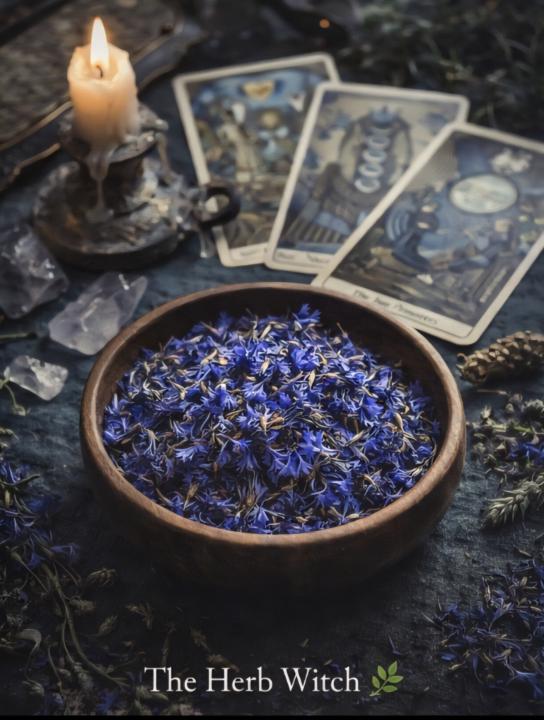
Cornflower: The Eye of the Witch
The Herb Witch – Cornflower: The Eye of the Witch Cornflower, with its striking blue petals, has long been associated with clarity of sight and spiritual perception. Old village witches sometimes called it “the eye flower” because its deep blue color reminded them of clear skies and open vision. It was believed that keeping cornflower near your workspace helped the mind settle and allowed you to see situations more clearly. For witches who work with tarot, divination, or spirit messages, cornflower has long been considered a gentle ally. A simple way to work with it: Place a small bowl of dried cornflower petals near your tarot deck, oracle cards, or journal. Before beginning a reading, take a moment to touch the petals and say quietly: “Flower of blue, open the view. Let hidden truths come clear and true.” You may find your thoughts become calmer and your intuition easier to hear. Sometimes a witch does not need louder majick. She only needs clearer sight. — The Herb Witch 🌿

🔥
1 like • 25d
Cornflowers are so pretty, I lived rural when I was growing up and they'd line the dirt roads with other flowers in the area. Always so pretty in the summer.
26d •
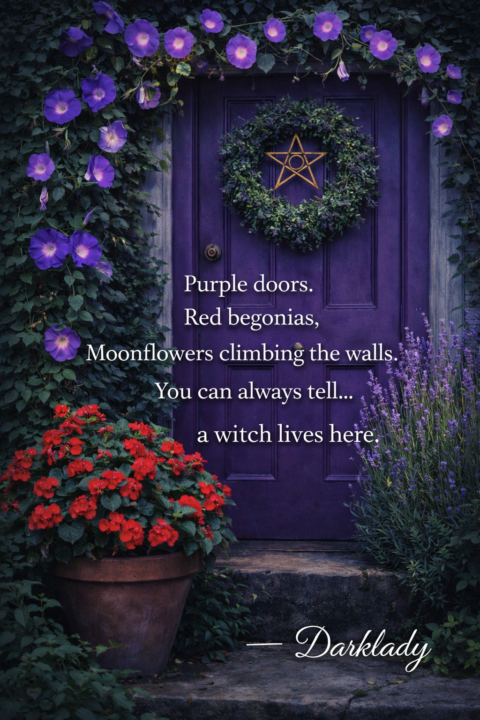
A Witch Lives Here
🌺 The Witch’s Begonia You can always tell when a witch lives in a home. Sometimes it is the purple door. Sometimes herbs drying in the window. And often… it is the red begonia glowing on the porch like a quiet spell. Red begonias have long been kept by herb witches as guardians of the threshold. Their deep crimson petals hold the energy of life, warmth, and protection. They sit at the doorway watching who comes and goes. A thriving begonia is said to do three things for a witch’s home. Guard the doorway from unwanted energy Strengthen the warmth of the home so peace stays longer Signal to other witches that a kindred spirit lives there Old garden witches would place red begonias near entrances because the color red is the color of vital life force. It wakes protective energy in a space. If you want to awaken that little bit of plant majick, try this: When you water your begonia, place your hand lightly on the pot and whisper: “Root and bloom, bright and strong, Guard this home the whole day long. Only kindness cross this door, All ill intent be here no more.” Then set the plant where it can see the doorway or porch. Over time, the plant becomes part of the home’s spirit. And anyone who knows the old ways will smile when they see it. Because they know exactly what it means. A witch lives here. — Darklady
🔥
2 likes • 26d
I like to have plants at my door through the summer, my grandmother loved begonia's and had them all over.... think I'm going to reinstitute an old tradition this year.
Feb 26 •
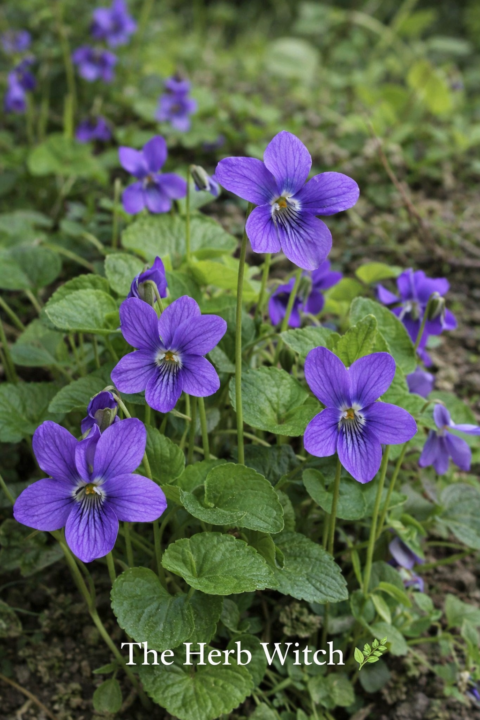
Sweet Violet
Sweet Violet Soft-looking. Deeply stubborn. Quietly powerful. Don’t let the delicate purple fool you. Sweet violet survives places other plants give up on. It spreads low, stays close to the earth, and comes back year after year whether you remember it or not. That alone makes it a witch plant. This is a ground-hugger. A listener. A plant that works from below instead of reaching for applause. Where it grows best Sweet violet is flexible in a way most plants aren’t. Full sun if it has to. Partial sun if it can get away with it. It’s not dramatic about light, it just adapts and keeps going. Cold doesn’t scare it. Heat doesn’t chase it off. Once it settles in, it stays. Soil and temperament This plant will grow in just about anything: loam, sand, clay, even chalky soil. It prefers soil that’s slightly neutral to mildly alkaline, but it’s not going to throw a tantrum if conditions aren’t perfect. It likes consistency more than luxury. Even watering. No flooding. No neglect. Very on brand. How it spreads Sweet violet doesn’t rush. It creeps. It sends out runners. It fills space quietly until one day you realize it owns the whole area and you never invited it. That’s not aggression. That’s strategy. You can start it indoors, plant established starts, or let it do what it does best and spread itself. Space it gently and don’t crowd it. It doesn’t compete well with bullies, but it outlasts them. Witch’s note Sweet violet is for calm power. For grief held gently. For magic that works in silence instead of spectacle. This is not a plant for flashy spells or instant results. This is for long healing, soft boundaries, and strength that doesn’t announce itself. Sweet violet reminds us that quiet things still take over the world. The Herb Witch 🌿
🔥
2 likes • Feb 26
I love violets. They're one of my favorites. I
Feb 20 •
Bay Laurel
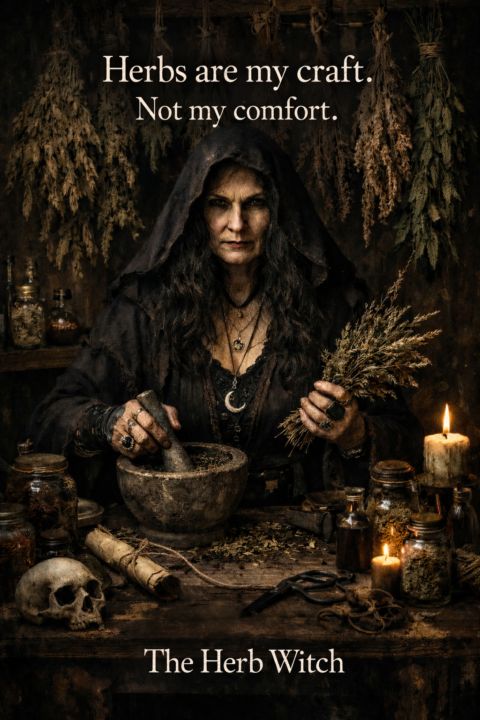
Bay Laurel Yes, that bay leaf. The one sitting in kitchens pretending it’s boring. It’s been playing dumb for centuries. Bay is a command herb. Not soothing. Not nurturing. It’s about authority, intention, and getting reality to listen the first time. What Bay Laurel is used for in dark witchcraft Commanding outcomes Strengthening spoken spells Power words, decrees, and oaths Manifestation that doesn’t ask politely Psychic authority and confidence Bay doesn’t whisper. It states. How dark witches work with bay (no ingestion, no nonsense) Write intentions on dried leaves and burn them Place bay leaves under candles during spellwork Keep one in your grimoire to empower written work Add to jars meant for control, success, or influence Burn during declarations, not emotional spells Bay likes clarity. If your intent is muddy, it won’t bother helping. Safety, because humans worry Not poisonous to touch Safe around animals unless eaten in large amounts Whole dried leaves are a choking hazard, not a toxin Burning is fine. Handling is fine. No drama. This is not a poison plant. It’s a discipline plant. Witch truth Bay shows up when a witch needs to stop doubting and start deciding. It’s the herb equivalent of saying, “This is happening,” and watching the world adjust. No chaos. No frenzy. Just quiet dominance.
🔥
3 likes • Feb 20
I love Bay Leaf. ohhh my mother made some wonderful food with it and the scent insta-brings back fond memories. I love working with it
Feb 20 •
Soil for those Majickal Herbs 🌿
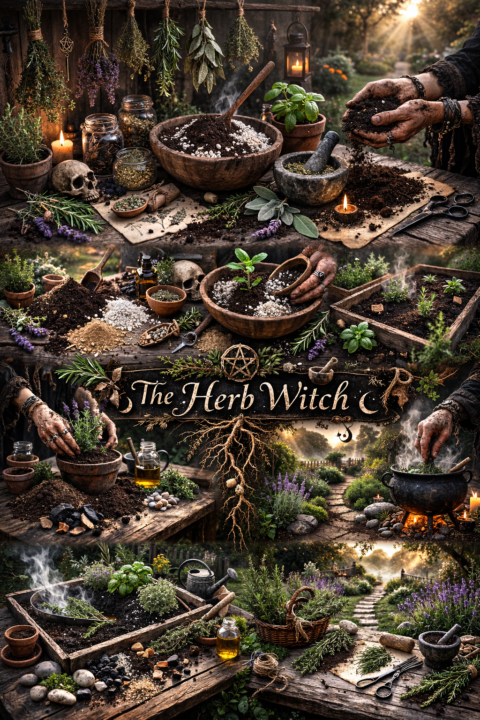
Let’s talk about soil, because herbs don’t care about aesthetics, vibes, or Pinterest. They care about what’s under them. Get the soil wrong and the plant will let you know by looking miserable out of spite. What herbs actually like Most herbs are not delicate princesses. They are Mediterranean survivors. They like soil that says, “You’ll live, but you’ll have to try.” In general, herbs want: Loose soil so roots can move Good drainage so they don’t rot in wet misery Moderate nutrients, not rich compost soup Breathable earth, not packed clay Too rich = floppy, weak herbs Too wet = root rot and betrayal Too compact = stunted growth and silent resentment Herbs want struggle, just not suffocation. Relatable. The basic herb soil formula (the witch way) You don’t need fancy bags with poetic names. You need balance. A solid base: 2 parts plain potting soil 1 part compost or worm castings 1 part sand, perlite, or grit This creates soil that drains well, feeds slowly, and doesn’t smother roots. Herbs hate being coddled. For garden beds If you’re planting in the ground: Break up the soil deeply Add compost lightly, not heavily Mix in sand or small gravel if the soil holds water Never plant herbs in soggy low spots If water pools, herbs sulk. If roots drown, they die quietly and blame you. For containers Pots need even better drainage because trapped water is a death sentence. Always: Use pots with holes Add a bit of grit to the mix Never let pots sit in standing water If the soil feels heavy when wet, it’s wrong. Herbs like soil that dries out between waterings. They don’t want damp feet. Witch soil wisdom Strong herbs grow in soil that isn’t pampering them. Plants grown in slightly lean soil are: More aromatic More resilient More potent energetically This is why wild herbs often have more presence than greenhouse babies. Hard soil makes strong allies. Final truth from the dirt If an herb struggles at first, don’t panic. If it thrives instantly in rich, soggy soil, be suspicious.
🔥
3 likes • Feb 20
I love plants and growing them but have struggled with herbs. I appreciate the info, maybe I'll give it a go again
1-5 of 5

🔥
@jessica-vazquez-5481
I am a soul led Creative & Intuitive Guide with 20+ years experience building communities and worlds. I help women reclaim themselves & their life
Active 3h ago
Joined Jan 25, 2026
Central NYS
Powered by