Activity
Mon
Wed
Fri
Sun
Nov
Dec
Jan
Feb
Mar
Apr
May
Jun
Jul
Aug
Sep
What is this?
Less
More
Owned by Jerry
This is a group for people looking for reliable information on the Epstein Files and other conspiracies. Anti vax/Pharma. Health & Wellness/community
Psycho-spiritual healing community for chakra balancing, energy healing, nervous system regulation, shadow work & conscious growth.
Community Launch
18
Free
AIPRO Academy
5k
5.0
$79/m
The Creator Pod
26
$999
ETERNAL LIFE TRIBE
3.5k
5.0
$55/m
Not Your Dad's Golf
27
Free
Move Better. Gain Distance
118
Free
Outlaw Golf Club
3k
$9/m
Skoolers
154k
Free
68 contributions to The Creator Pod
Jun 11 •
START HERE: Welcome to the Creator Pod 🌍
Live Your Dream. Monetize Your Life. Build It Your Way. You don’t have to figure this out alone. You didn’t stumble in here by accident. Something in you has been pulling at you — the open laptop on a beach, the freedom to work from Bali one month and Barcelona the next, the life where your income follows you instead of the other way around. The one where health, wealth, relationships, and experiences aren’t trade-offs. They’re the whole package. That life is not a fantasy. It is a business model. And you just walked into the room where we build it. Who we are: Rebecca Nolan - Personal Brand Strategist and Monetization expert. She will help you build a brand that is magnetic, specific, and unmistakably yours — and then show you exactly how to turn it into income through brand deals, coaching, content partnerships, and a lifestyle that pays you while you sleep. Jerry Kuykendall - Mindset and Empowerment coach. His job is to find the thing inside you that has been quietly convinced you need to play small, stay invisible, or make other people comfortable at the expense of your own dream — and dismantle it completely. You will leave this community bigger than you arrived. Together we empower you, we educate you, and we walk with you. Every step. What we do here: We help you build a personal brand in full power and confidence. We grow your social media presence. We create a monetizable lifestyle around who you actually are — so you can travel wherever you want in the world and get paid to do it. We also partner with brands, businesses, and companies actively looking to hire UGC creators JUST LIKE YOU. Brand deals. Content partnerships. The network is already here. You just need to show up ready to rock. You can do this with our guidance, alongside us, or we can build it entirely for you. You choose your level. We meet you there. Step 1 — Introduce Yourself Drop an introduction below using this template. This is how the community starts working for you immediately:
0 likes • 29d
@Sophia Parody welcome!! This is going to be a very exciting time for you coming up, I look forward to seeing your brand blossom!
0 likes • 14h
@Emely Mendez welcome!! I love your vision, and you’re in the perfect place to build this brand!!
2d •
UGC Deals!
Monetize now on Upwork! They are looking for talented UGC creators! https://www.upwork.com/nx/search/jobs?q=ugc&sort=client_rating%2Bdesc
0
0
8d •
Mindset Meetup coming up
Mindset meetup happening in about 45 minutes. Come with your questions or anything you need support with right now! If you can’t attend, send me your questions and I’ll cover it on the recorded call. Much Love! Jerry
0
0
15d •
Future Self Guided Meditation
Check the classroom tab, and group meetups course for today’s share…Future Self Guided Meditation.
0
0
15d •
Going live in 5 minutes
Mindset meetup in 5 minutes! Link in events calendar and below Jerry K is inviting you to a scheduled Zoom meeting. Topic: Jerry K's Personal Meeting Room Join Zoom Meeting https://us06web.zoom.us/j/9913053303?pwd=rgvqCgg1zy4wWuzRUUM0GycbzadTPq.1 Meeting ID: 991 305 3303 Passcode: 977734 --- Join by SIP • [email protected] Join instructions https://us06web.zoom.us/meetings/9913053303/invitations?signature=FPcx4bkdPXmFNFzdQTvfpplR-HC5mJkJlJZEjD3fr-I
0
0
1-10 of 68
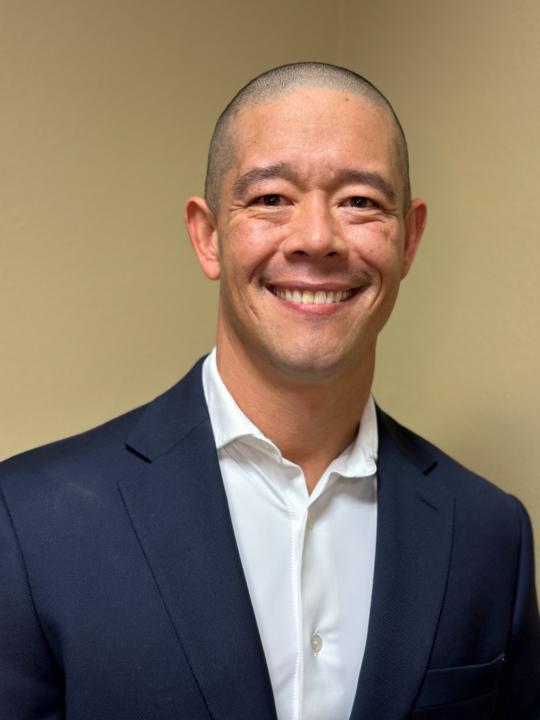
@jerry-kuykendall-6654
Father, Husband, Sovereign Soul. My passion is seeing people discover their essence, healing from within to become fully integrated and sovereign
Active 14h ago
Joined Jun 7, 2026
Powered by