Activity
Mon
Wed
Fri
Sun
Aug
Sep
Oct
Nov
Dec
Jan
Feb
Mar
Apr
May
Jun
What is this?
Less
More
Owned by Jennifer
It is 11pm. The RFP is due at 8am. This community exists so that never happens again. AI tools and pursuit strategy built for AEC proposal teams.
A supportive, no-fluff community for women building wealth through business & real estate, without the gatekeeping. Let’s level up together!
Memberships
Tradeline Secrets
2.5k members • Free
Wholesaling Real Estate
78.1k members • Free
Business Synergy Sisterhood
5.1k members • Free
AI Automation Agency Hub
327.6k members • Free
Skoolers
168.3k members • Free
The AI Gov Con Corp
2.6k members • $29/m
7 contributions to AI for AEC proposals/pursuits

Apr 12 •
The proposal loss that changed how I think about this work
I do not talk about this one much but I think it belongs here. A few years ago we were chasing a $3.2 million county transportation contract. Strong fit. Agency we knew. Team we were proud of. Proposal we had put real effort into. We lost. Evaluation feedback: past performance did not meet requirements. Here is what happened. The RFP required three references for projects completed as prime consultant within the past 7 years. We submitted three excellent projects. But one was from 8 years ago. We miscounted by one year. One sentence in an 87-page document. One wrong year. Disqualified before a single evaluator read our technical approach. That loss built the compliance process we use today. Compliance matrix built first, before any writing starts. Every requirement documented. Second-person review before submission. Dates on every past performance reference verified against the exact requirement language. We have not had a compliance disqualification since. I built part of RFP PursuitAI Hub specifically to automate this step because I never wanted anyone else to lose work they earned on a technicality. I am sharing this because I think the best communities are built on real stories, not polished ones. And because every single one of you has a version of this story. What is the proposal loss that taught you the most? Drop it in the comments. No shame here. Just learning.
0
0
Apr 12 •
The 30-day proposal challenge: one small change, one real result
Here is something I want to try in this community. For the next 30 days, I want every member to make one specific change to their proposal process, track the result, and report back here. It does not have to be dramatic. In fact, smaller changes often produce bigger results because they actually get implemented. Some ideas to get you started: - Build your compliance matrix before you write instead of after - Use AI to generate your first draft of the firm overview section and track how long it saves - Run your next RFP through a Go/No-Go scorecard before committing - Rewrite one project narrative using the Problem/Approach/Outcome/Parallel structure and compare evaluator feedback - Set a submission time of 2 hours before deadline instead of 2 minutes and see what changes Pick one. Do it for 30 days. Come back and tell us what happened. I will go first. This month I am testing AI-generated compliance matrices on every single RFP that comes through our platform and tracking how many requirements human review catches that the AI missed. I will post the results here at the 30 days from now. Who is in? Reply with the one change you are committing to this month. I will check in with everyone at the end of the 30 days.
0
0
Apr 12 •
The Go/No-Go scorecard we use, free for every member
One of the most common things I hear from AEC firms: "Our Go/No-Go meeting is basically our principal saying yeah go for it." That is not a decision. That is a gut check that commits your team to 25 or more hours of labor. Here is the 5-question scoring framework we have refined over hundreds of pursuits. Score each question 1 to 5. The total tells you exactly what to do. QUESTION 1: Past performance match Do we have 3 or more directly comparable projects, same type, similar scale, similar client? 5 = strong matches / 3 = close but not perfect / 1 = stretch QUESTION 2: Client relationship Do we have an existing relationship with this agency or a real contact there? 5 = known contact, prior work / 3 = indirect connection / 1 = cold QUESTION 3: Team capacity Is our best team available during both the submission window and delivery? 5 = fully available / 3 = partial / 1 = key conflicts QUESTION 4: Competitive landscape Can we realistically win against likely competitors? 5 = clear differentiator / 3 = competitive / 1 = likely wired for someone else QUESTION 5: Strategic value Even if we lose, does pursuing this build something valuable? 5 = strongly strategic / 3 = somewhat / 1 = no case SCORING: 20 to 25: Pursue. Put your best resources on it. 15 to 19: Pursue with conditions. Shore up your weakest factor first. 10 to 14: Serious reconsideration. Below 10: Pass. The firms that improved their win rates the most were not the ones that chased more RFPs. They were the ones that got disciplined about which ones they chased. Drop your questions in the comments and tell me: does your firm have a formal Go/No-Go process right now or is it still gut feel?
0
0
Apr 12 •
Honest question: where has AI actually helped your proposal process, and where has it let you down?
I want to get a real conversation going here, not a highlights reel. We hear a lot about what AI is supposed to do for proposals. I want to know what it has actually done for yours, good and bad. I will start. Where it has genuinely helped us: - Compliance matrix generation from RFP documents saves 2 to 4 hours per proposal - First draft generation for boilerplate sections like firm overview and management approach cuts writing time significantly when given good source material - Rewriting for page limits: paste in a 600-word section with a 300-word limit and AI does a solid job Where it has fallen short: - Anything requiring real agency-specific context. AI does not know that this particular county program officer cares deeply about local subcontractor participation. - Technical approach sections without strong human input. The drafts are generic and evaluators can tell. - Anything where the firm's voice and differentiation needs to come through. AI writes average. Winning proposals are not average. - Net verdict: AI as an accelerant is real. AI as a proposal writer is marketing. What has your experience been? Drop your honest take below. No judgment here, just real data from real teams.
1
0
Aug '25 •
👋 Let’s Get to Know Each Other
Drop a quick hello below! Share: 1. Your name and business 2. One reason you’re excited about GPTs and AI 3. What you’d love to automate first I’ll start: I’m Jennifer, founder of Chickenango. I’m excited about AI because it has saved me hours on content writing, RFQ/RFP reviews, financial data organization and so much more! The first thing I automated was an internal GPT that streamlines how we write our project descriptions.

0 likes • Aug '25
@Charlotte Norville I totally agree! Using an AI agent can cut repetitive tasks down to just minutes.
1-7 of 7
@jennifer-mcpherson-3026
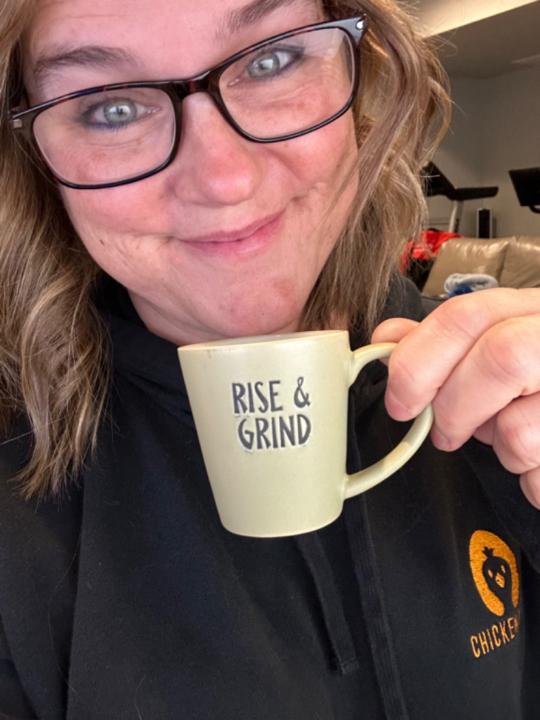
Jennifer McPherson is the founder and owner of Chickenango Marketing Solutions, a marketing and public involvement agency.
Active 19d ago
Joined Oct 24, 2024
Colorado
Powered by