Activity
Mon
Wed
Fri
Sun
Nov
Dec
Jan
Feb
Mar
Apr
May
Jun
Jul
Aug
Sep
Oct
What is this?
Less
More
The Iron Forge Brotherhood
63.8k
4.9
Free
Addict II Athlete
85
Free
5 contributions to Addict II Athlete

Sep 6 •
Indeed Movement Equals Healing
Athletes, you all Know by now exercise strengthens more than the body. It can also support mood, reduce stress, improve sleep, sharpen focus, and help people manage difficult emotions. For people experiencing anxiety, depression, trauma, or substance use disorder, movement can become a valuable part of a larger mental-health and recovery plan. Exercise does not replace therapy, medication, or professional care, but it can help create the energy and clarity needed to take the next healthy step. Movement and the Brain The brain responds to physical activity through changes in blood flow, stress hormones, sleep, and neurotransmitters connected to mood and motivation. Regular movement can help the nervous system practice activation and recovery. Exercise helps you: - Reduce emotional tension - Improve concentration - Sleep more consistently - Build confidence - Tolerate discomfort - Develop healthier routines - Connect with supportive people Movement does not eliminate painful thoughts or emotions. It can create enough space to notice them without automatically reacting. Exercise and Recovery In addiction recovery, exercise can provide structure, accountability, and a sense of progress. Running, walking, lifting, hiking, or participating in a team can help people develop a new identity—one that is not defined by addiction. The Addict to Athlete philosophy is simple: Movement equals healing. This does not mean exercise alone cures addiction or mental illness. It means movement can support recovery by helping people practice discipline, emotional regulation, connection, and purpose. A difficult workout can teach valuable lessons: - Discomfort is temporary - Thoughts do not have to control behavior - Breathing can help regulate the body - Progress happens one step at a time - The next decision can be different from the last one Movement as the Next Clean Action When a craving, anxious thought, or intense emotion appears, movement can create a pause. Taking a walk, attending a workout, or going for a run may help someone calm down long enough to contact a counselor, sponsor, peer, or trusted friend.

5 likes • Sep 6
I don't think I'd be here today if I didn't force myself out of a depressed paralysis one morning, after my son caught my crying, and go for a long walk with my dogs. Start small you say? Well, for me, it's always been the intensity matches my emotions. I walked for half the day. Hadn't done any type of exercise for quite awhile. But I just couldn't stop. And I didn't want to go home. While I was gone I talked to some old freinds on the phone from back when I was a recovery guy. About a month and half later, I was in inpatient treatment. I knew exactly the biology that was going on with my body and brain. And I knew exactly how to make it go away. But for some reason, I didn't have the energy to care anymore. It takes alot of strength to get your ass up and do something when you don't want to. Movement is sooo essential to ignite those hormones that spark that light in a very dark tunnel


0 likes • Jul 23
Holy shit! Not me in the UDC again!!🤣
Jul 2 •
Roll Call
Hey Athletes; How are you all doing out there? The good, the bad, the ugly, lets talk.
3 likes • Jul 2
Same old! No change here
Jun 15 •
Finish What You Start
Finishing what you start is a decision you make long before you see the finish line. In the beginning, it’s all momentum and possibility, new shoes, a plan, a promise. You arrive at the starting line and you feel powerful. You earned that. You showed up. But showing up is only the first chapter. In the Addict to Athlete philosophy, we respect the starting line but we don’t confuse it with the finish. Arriving is one thing. Crossing is another. And everything that can happen in the middle the stretch where doubt gets loud, pain gets personal, and your old coping habits start whispering shortcuts is the part that actually shapes you. The start is ceremony. The middle is reality. The starting line is clean. It’s symbolic. It’s full of intention. The middle is messy. It’s where your body negotiates with itself. Where your mind tries to bargain: “Just stop. Just slow down. Just quit when it gets uncomfortable.” ‘It’s where you learn whether you’re committed to the goal or just committed to the feeling of pursuing it. That’s why finishing what you start matters so much in the Addict to Athlete framework: the “middle” isn’t a detour from the mission. It’s the mission. It’s the work of becoming the kind of person who can carry themselves through difficulty without abandoning themselves. Addiction and mental health taught the truth early. If you’ve ever fought addiction or struggled with mental health, you already understand something most people only learn through athletics: Progress rarely happens in straight lines. There are days you feel strong. There are days you feel like you’re sprinting. And there are days sometimes long stretches where you’re dragging yourself forward, not because you’re confident, but because you know what’s at stake. Finishing what you start means you understand that these middle moments aren’t proof you should quit. They’re proof you’ve entered the part where growth happens. What “finish what you start” actually means. To finish what you start is not about perfect conditions. It’s not about never struggling.

4 likes • Jun 15
Even if you gotta put a stake in the ground and come back where you left off, never just quit! I've got alot that I need to go back and finish. Like shoes with the laces untied. Trying finish something with too many loose ends will always trip you up!
Mar 12 •
Let’s go!
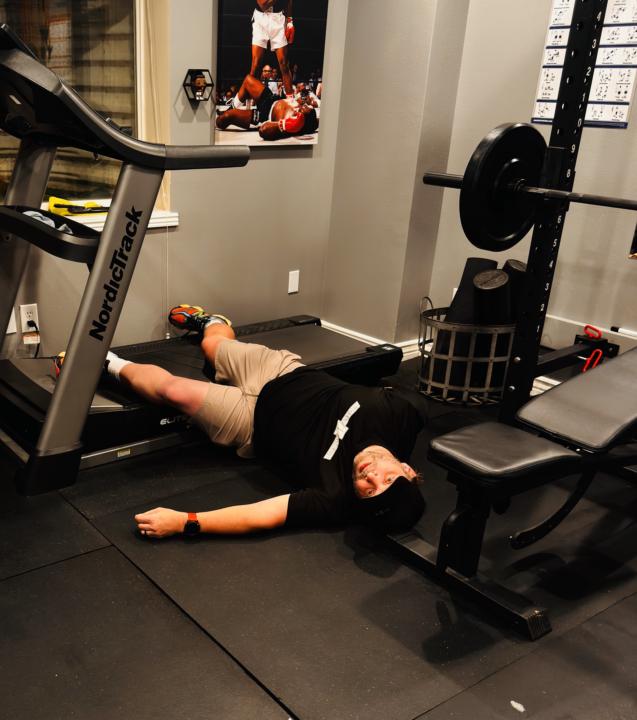
OK athletes the classroom is called the lifestyle lab, that’s where we’re going to post workouts, recipes, professional input things of that nature, but let’s get the dialogue going. I’ll be held accountable by my workouts, as I will be doing at least five workouts per week and as I find food tips, other things like that I’ll make sure you are all aware. So, today’s first workout for me. Check out the lifestyle lab in the classrooms section where we will be posting recipes, workout tips, cool fitness stuff! my day one workout 1 mile warm-up run on the treadmill upper body workout Bench press 4 sets of 12 Bicep curls 4 sets of 12 Shoulder press 4 sets of 12 Dumbbell pull-ups 4 sets of 12 Russian twists 4 sets of 12
2 likes • Mar 12
I also started out with an upper body/ lower body type splits. Now I'm trying a pull/push/ legs type of split in the evening. With a fasted run when I wake up.
1 like • Mar 12
@Brad Waldron That's awesome dude! You know fasted morning cardio kicks in that fat burning energy mode first thing and sets that into motion for the rest of the day. It also hits your cortisol levels when they're highest in the morning then drop back below baseline after your workout leaving you more calm and less stress throughout the day
1-5 of 5
@jeff-smith-1374
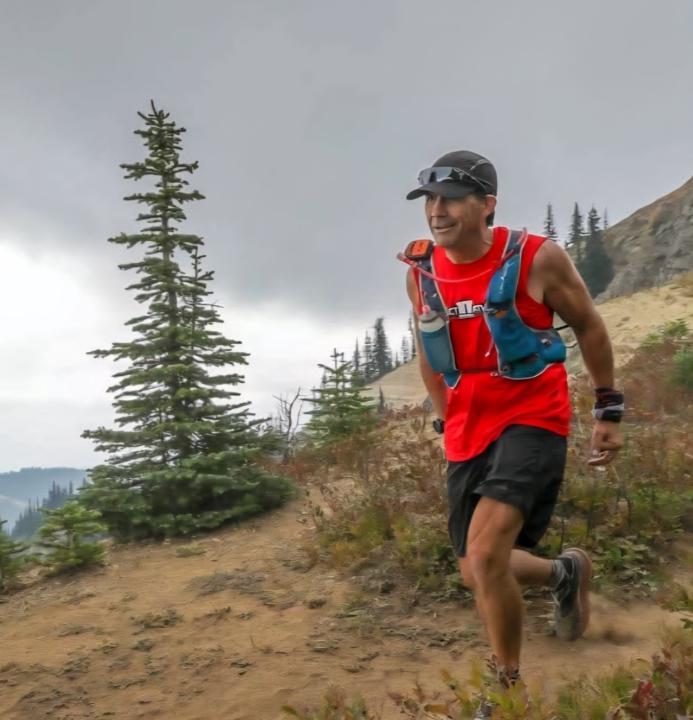
I'm Jeff and I am a mountain athlete! I love all high altitude activities and am a nutritional and biohacking nerd focused on optimizing health!
Active 2d ago
Joined Jan 28, 2026
Pleasant Grove, Utah